Beyond the Cake: 5 Diabetes-Friendly Birthday Celebrations


Birthdays are special, but managing diabetes can make celebrations tricky. Discover 5 ways to enjoy milestones without blood sugar spikes, and still feel joyful and included!
Beyond the Cake: 5 Diabetes-Friendly Birthday Celebrations
Birthdays and milestones mark important moments in life. They’re chances to connect with loved ones and feel celebrated. But if you’re managing type 2 diabetes or prediabetes, the traditional focus on sugary treats can feel daunting. It's easy to feel left out or worried about your blood sugar.
Perhaps you're looking forward to a grandchild’s birthday, or your own is just around the corner. You want to participate fully, but also protect your health. Knowing how to navigate these events without sacrificing enjoyment is key. This article will give you five practical ideas.
Quick AnswerFocus on experiences, not just food, for celebrations.Swap sugary desserts for fruit-based options or sugar-free treats.Plan ahead and bring a diabetes-friendly dish to share.
Why This Matters
Uncontrolled blood sugar can lead to serious health problems, including heart disease, nerve damage and vision loss. For adults 50+, these risks are even greater. Celebrating life’s moments shouldn’t mean jeopardizing your well-being or increasing healthcare costs. Many people find it stressful to constantly monitor what they eat when socializing.
1. Prioritize Experiences Over Edibles
Often, we equate celebrations with food, especially cake. But the most cherished memories aren’t usually about what we ate. They’re about who we were with and what we did. Consider shifting the focus from food to an activity.
Instead of a large cake and ice cream, suggest a fun outing. This could be a movie, a museum visit, a walk in the park, or a game night. These alternatives create lasting memories without the sugar overload. It’s a simple switch, but it can make a huge difference.
2. Reimagine Dessert: Fruit-Forward & Sugar-Free
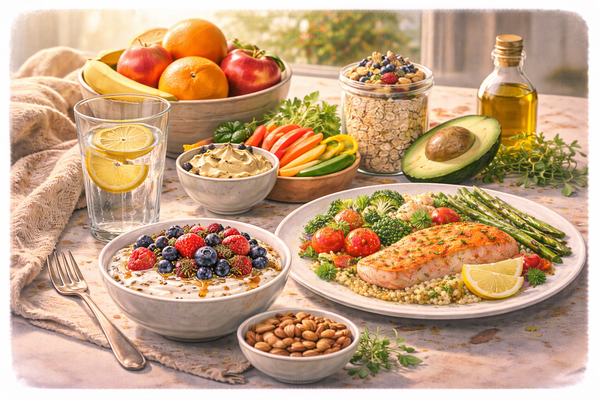
Dessert doesn’t have to be off-limits! Many delicious options fit a diabetes-friendly lifestyle. Focus on naturally sweet foods like fruit. Berries, peaches and apples are all great choices.
Consider these swaps:
- Instead of traditional cake, try a fruit crumble with a small portion of oats and nuts.
- Replace ice cream with frozen berries blended into a smoothie.
- Dark chocolate (70% cacao or higher) can satisfy a sweet craving with less sugar.
- Look for sugar-free frosting or make your own using erythritol or stevia. Added Sugar vs Natural Sugar
3. Be the Planner: Bring a Healthy Dish to Share
Don’t rely on others to provide diabetes-friendly options. Take control and offer to bring a dish! This ensures you have something safe and enjoyable to eat. It also shows your loved ones you’re proactive about your health.
Great options include:
- A colorful vegetable platter with hummus.
- A protein-packed salad with grilled chicken or fish.
- A side dish of roasted vegetables.
- A fruit salad with a light yogurt dressing.
Try This Today
Search for one new diabetes-friendly dessert recipe online. Just exploring options can be empowering!
4. Mindful Portioning: Enjoy a Small Treat
Sometimes, you simply want a small piece of cake or pie. That’s perfectly okay! Denying yourself completely can lead to cravings and overeating later. The key is mindful portioning.
Cut a very small slice and savor each bite. Pair it with a protein and fiber-rich food, like a handful of nuts or a small serving of berries. This helps slow down the absorption of sugar. Remember, it's about enjoying a treat in moderation.
5. Focus on Connection, Not Consumption
Remind yourself that the true purpose of a celebration is to connect with the people you care about. Engage in conversations, play games, and share laughter. These are the things that truly matter.
Shift your attention away from the food and towards the people around you. Ask about their lives, share stories, and create meaningful moments. This can help you feel more satisfied and less focused on the sugary temptations.
Want This Made Simple?
Taking a photo of your meal with Sweet Not Sugar instantly analyzes added sugar vs. natural sugar and gives you glycemic insight. It's a simple way to see the impact of your choices and make smarter swaps!
Join the Waitlist
Addressing Common Myths
- Myth: You have to completely give up sweets to manage diabetes. Truth: Moderation and smart swaps are key. You can still enjoy occasional treats in small portions.
- Myth: Fruit is off-limits because of the sugar content. Truth: Fruit contains natural sugars along with fiber, vitamins, and antioxidants. It’s a healthier option than processed sweets.
- Myth: Sugar-free products are always a good choice. Truth: Some sugar-free products contain artificial sweeteners that can still affect blood sugar. Read labels carefully. Reading Nutrition Labels
7-Day Mini Plan for Diabetes-Friendly Celebrations
- Day 1: Brainstorm 3 non-food celebration ideas.
- Day 2: Find a healthy dessert recipe to try.
- Day 3: Plan a diabetes-friendly dish to bring to the next gathering.
- Day 4: Practice mindful portioning with a small treat.
- Day 5: List 5 people you enjoy spending time with (food optional!).
- Day 6: Review nutrition labels on a favorite snack.
- Day 7: Reflect on how focusing on connection feels better than overindulging.
Realistic Swaps for Birthday Foods
| Instead of… | Try… |
|---|---|
| Sugary Soda | Sparkling Water with Lemon or Lime |
| Traditional Cake | Angel Food Cake with Berries |
| Candy | Small handful of Nuts or Seeds |
| Ice Cream | Greek Yogurt with Fruit |
| Cookies | Whole-Grain Crackers with Cheese |
| Cupcakes | Mini Muffins made with whole wheat flour |
| Fruit Punch | Unsweetened Herbal Tea |
| Chocolate Bar | Dark Chocolate (70% cacao or higher) |
Common Mistakes
- Skipping meals beforehand: This can lead to overeating at the celebration.
- Focusing solely on avoiding sugar: Ignoring overall nutrition.
- Feeling guilty about enjoying a treat: This can create a negative cycle.
- Not having a plan: Being unprepared and relying on limited options.
- Ignoring your body’s signals: Not recognizing when you're full or blood sugar is rising.
Try This Today
Write down one thing you enjoy about celebrations that has nothing to do with food.
What to Order: Restaurant Edition
If celebrating at a restaurant, here's what to consider:
- Appetizers: Choose a salad with dressing on the side or shrimp cocktail.
- Main Course: Opt for grilled or baked protein with plenty of vegetables.
- Sides: Ask for steamed vegetables, a side salad, or brown rice instead of fries or mashed potatoes.
- Dessert: Share a small dessert with a friend or choose fruit.
- Drinks: Water, unsweetened tea, or diet soda are best.
Next Step
Managing diabetes and enjoying life's celebrations takes practice and self-compassion. If you'd like extra support in making sustainable changes, explore tools that can help you track your intake and find healthier options.
Get the App
FAQ
Can I still eat birthday cake if I have diabetes?
Yes, but a small portion is best. Pair it with a protein and fiber-rich food to help stabilize blood sugar. Mindful eating is key!
What are some good sugar-free birthday treats?
Sugar-free cookies, fruit salads, dark chocolate, and yogurt parfaits are all good options. Look for recipes using natural sweeteners.
How can I politely decline sugary foods at a birthday party?
Simply say, “Thank you, it looks delicious, but I’m managing my blood sugar right now.” Most people will understand.
Is fruit juice a good alternative to soda at celebrations?
While fruit juice contains vitamins, it’s still high in sugar. Unsweetened beverages like water or tea are healthier choices.
What if I accidentally eat too much sugar at a birthday?
Don’t panic! Get some physical activity and monitor your blood sugar closely. Focus on getting back on track with your regular eating plan.
Key Takeaways
- Celebrations don’t have to revolve around sugary foods.
- Prioritize experiences and connection with loved ones.
- Smart swaps can make desserts diabetes-friendly.
- Planning ahead ensures you have healthy options available.
- Mindful portioning allows for occasional treats.
Safety Notes
If you use insulin or a sulfonylurea, watch for low blood sugar. Check with your clinician before making major changes to your diet or exercise routine.
When to Talk to Your Doctor
Contact your doctor if you experience frequent high or low blood sugar levels, or if you have concerns about managing your diabetes at social events.
Sources
- American Diabetes Association (ADA): Provides comprehensive information on diabetes management, including diet and exercise.
- Centers for Disease Control and Prevention (CDC): Offers data on diabetes prevalence and complications in the United States.
- National Institute of Diabetes and Digestive and Kidney Diseases (NIDDK): Conducts research on diabetes and related conditions.
- Mayo Clinic: Offers reliable information on diabetes symptoms, causes, and treatments.
- Harvard School of Public Health: Provides resources on healthy eating and managing blood sugar.
Related Articles
- Winter Superfoods
- Smart Fruit Choices
- Better Sleep
- Glycemic Index and Glycemic Load
- Diabetes-Friendly Snack Ideas
Disclaimer
This information is intended for general knowledge and informational purposes only, and does not constitute medical advice. It is essential to consult with a qualified healthcare professional for any health concerns or before making any decisions related to your health or treatment.