What Is an A1C Test? 5 Things You Need to Know

Feeling confused by your A1C results? You're not alone. This guide breaks down what the numbers mean for your health and how you can take control.
What Is an A1C Test?
Getting a lab report back can feel like reading a foreign language. You see a number next to "A1C," and your doctor says it’s important. But what does it really mean for you, your health, and your daily life?
Maybe you just had your annual physical. You know you could probably cut back on sweets, but you were surprised to see your A1C in the "prediabetes" range. It can be a little scary and confusing. Many people feel this way.
This guide will walk you through exactly what your A1C number means. You'll learn how it's measured, what the target ranges are, and - most importantly - what simple steps you can take to manage it. You have more power than you think.
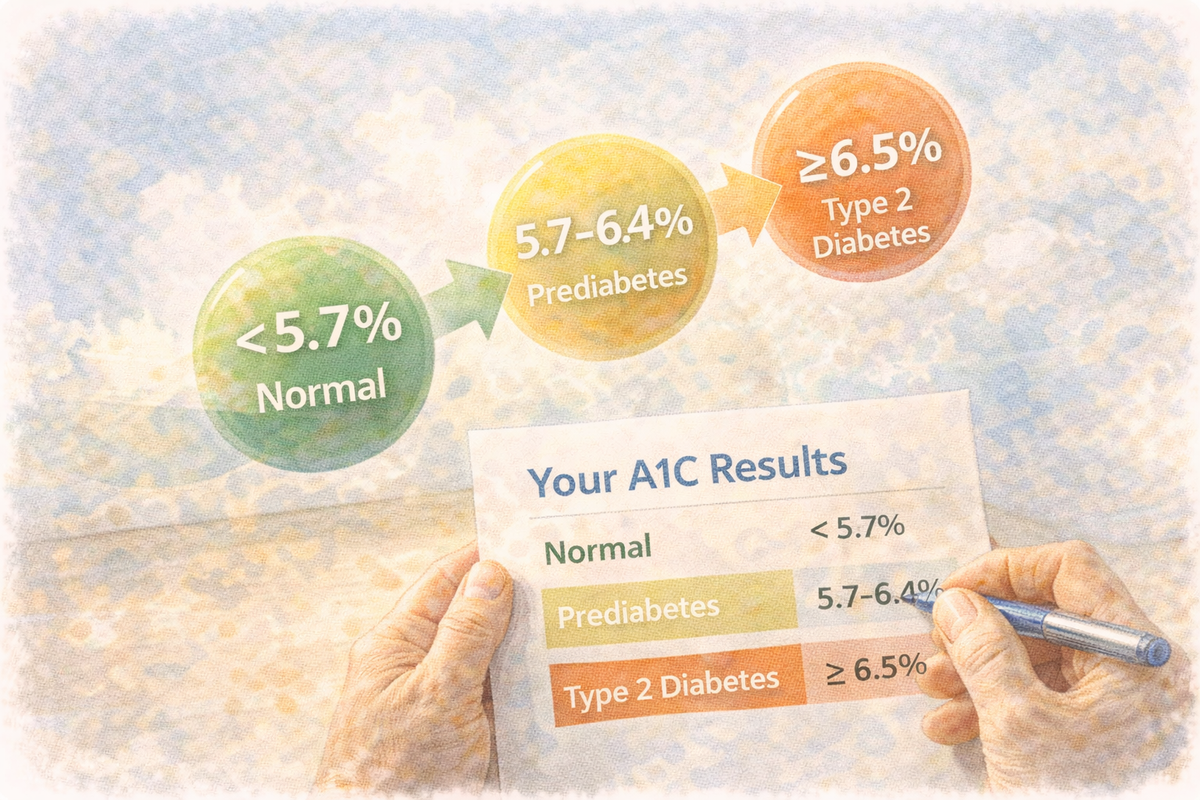
Quick AnswerWhat is A1C? The A1C test measures your average blood sugar level over the past 2-3 months. It provides a bigger picture than a daily finger-stick test.What are the ranges? Below 5.7% is normal, 5.7% to 6.4% is considered prediabetes, and 6.5% or higher indicates diabetes.What's the goal? For most people with diabetes, the American Diabetes Association (ADA) suggests an A1C goal below 7%. However, your doctor will set a personal goal for you.
Why This Matters
Your A1C result is more than just a number; it's a key piece of information for managing your health. It helps your doctor decide on the best treatment plan, including medication. Consistent A1C monitoring, which is often covered by Medicare, can help reduce the risk of long-term diabetes complications like nerve damage or heart problems. Understanding it puts you in the driver's seat.
1. What Exactly Is the A1C Test?
Think of the A1C test as a long-term "memory" of your blood sugar. It measures what percentage of your hemoglobin (a protein in your red blood cells) is "glycated," or coated with sugar.
Red blood cells live for about three months. When sugar (glucose) is in your bloodstream, it naturally sticks to these cells. If you have a lot of sugar in your blood over time, more of it will stick to the hemoglobin.
The A1C test result is a percentage. A result of 6% means that 6% of your hemoglobin proteins are coated with sugar. This gives you and your doctor a clear picture of your average blood sugar over a longer period.
It’s different from the daily finger-stick tests you might do at home. Those tests give you a snapshot of your blood sugar at that exact moment. An A1C test provides the bigger, long-term view.
2. What Are the Target A1C Ranges?
Healthcare providers use standardized A1C ranges to diagnose and monitor prediabetes and diabetes. These guidelines come from organizations like the American Diabetes Association (ADA) and the Centers for Disease Control and Prevention (CDC).
Here are the standard ranges:
- Normal: A1C below 5.7%
- Prediabetes: A1C between 5.7% and 6.4%
- Diabetes: A1C of 6.5% or higher
If you are diagnosed with diabetes, your doctor will set a personalized A1C goal for you. For many adults, the goal is to keep their A1C below 7%. However, this goal can change based on your age, overall health, and history of hypoglycemia (low blood sugar).
For some older adults, especially those with other health conditions, a doctor might recommend a slightly higher A1C goal, like 7.5% or even 8.0%. This is a decision to make with your healthcare team. The focus is always on creating a safe and effective plan for you.
Want This Made Simple?
Tired of guessing how food affects your blood sugar? Sweet Not Sugar helps you see the impact of your meals. Just snap a photo to get instant insight on added vs. natural sugar and glycemic load.
Join the Waitlist
3. How Can You Gently Lower Your A1C?
Seeing a high A1C number can be discouraging, but you can take small, steady steps to improve it. It’s not about perfection; it’s about progress.
Focus on Food Quality
It's not just about avoiding sugar. The overall quality of your diet plays a huge role. Try focusing on whole, unprocessed foods.
- Add more fiber: Foods like beans, lentils, vegetables, and whole grains can help slow down sugar absorption. Lower Your Blood Sugar With More Vegetables
- Balance your plate: Aim to fill half your plate with non-starchy vegetables (like broccoli, salad, or green beans), a quarter with lean protein (like chicken or fish), and a quarter with high-fiber carbohydrates (like quinoa or a small sweet potato).
- Be mindful of drinks: Sugary sodas, sweet tea, and fancy coffee drinks can raise blood sugar significantly. Water is always the best choice.
Try This Today
Swap one sugary drink for a healthier alternative. Instead of a soda, try sparkling water with a squeeze of lemon. Instead of a sweetened latte, try a regular coffee with a splash of milk.
Get Moving (Gently)
Physical activity makes your body more sensitive to insulin, which helps lower blood sugar. You don’t need to run a marathon. Gentle, consistent movement is key.
- Start with walking: A brisk 15-20 minute walk after meals can do wonders for your post-meal blood sugar levels.
- Find something you enjoy: Whether it's gardening, dancing, or swimming, you're more likely to stick with an activity you love.
4. Understand the Link Between A1C and Daily Habits
Your A1C is directly influenced by your daily routines, not just what you eat. Stress and sleep are two powerful factors that often get overlooked.
Manage Your Stress
When you’re stressed, your body releases hormones like cortisol, which can raise blood sugar levels. Finding healthy ways to cope with stress is crucial for blood sugar management.
Consider trying:
- Deep breathing exercises
- Gentle stretching or yoga
- Spending time in nature
- Listening to calming music
- Talking with a friend or family member
Prioritize Your Sleep
The National Institutes of Health notes that a lack of quality sleep can affect how your body uses insulin. Aim for 7-8 hours of sleep per night. If you snore or often feel tired during the day, talk to your doctor about being screened for sleep apnea, a common and treatable condition.
5. Use Your A1C as a Tool, Not a Test Score
It’s easy to see your A1C as a "grade" on your diabetes management. But it’s much more helpful to think of it as a tool. It gives you valuable information about what’s working and what might need adjusting.
A single A1C result doesn’t tell the whole story. Your number might go up or down for many reasons. The important part is to use the information to have a productive conversation with your doctor about your overall plan.
Try This Today
Before your next doctor's appointment, write down one or two questions about your A1C. For example, "What do you think is a realistic A1C goal for me?" or "Which of my habits do you think is impacting my A1C the most?"
Definitions
- Hemoglobin A1C (A1C): A blood test that shows your average blood sugar (glucose) level for the past two to three months.
- Glycated Hemoglobin: Hemoglobin that has glucose (sugar) attached to it. The A1C test measures the percentage of your hemoglobin that is glycated.
- Prediabetes: A condition where blood sugar levels are higher than normal but not yet high enough to be diagnosed as type 2 diabetes.
- Hypoglycemia: The medical term for low blood sugar. It can cause shakiness, sweating, and confusion.
- Insulin Resistance: A condition in which cells in your body don't respond well to insulin, making it harder for glucose to enter your cells for energy.
Common Mistakes to Avoid
- "Cramming" for the Test: Eating "perfectly" for a few days before your A1C test won't change the result, as it reflects a 3-month average. Consistency is what matters.
- Ignoring Daily Glucose Readings: A1C gives you the average, but daily finger-stick tests show you the immediate impact of meals and activities. Both are important.
- Getting Discouraged by One Number: A single high A1C result is not a failure. It’s a data point to help you and your doctor adjust your plan moving forward.
- Comparing Your A1C to Others: Your A1C target is personal. It depends on your age, health status, and other factors. Focus on your own progress.
- Fixating Only on Food: Forgetting that stress, sleep, illness, and physical activity all have a significant impact on your blood sugar and A1C.
7-Day Mini-Plan for a Healthier A1C
Here’s a simple, one-week plan to help you start building habits that support better blood sugar control. Don’t try to do everything at once. Just focus on one small thing each day.
- Day 1: Go for a 10-minute walk after your biggest meal of the day.
- Day 2: Drink a large glass of water before each meal.
- Day 3: Add one extra serving of non-starchy vegetables (like a side salad or steamed broccoli) to your dinner.
- Day 4: Set a reminder to go to bed 15 minutes earlier than usual.
- Day 5: Choose one snack you usually eat and swap it for a higher-protein option.
- Day 6: Practice 5 minutes of mindful breathing if you start to feel stressed.
- Day 7: Look back at your week and celebrate your effort. You took seven small steps!
Realistic Swaps for Better Blood Sugar
Small changes can add up. Here are a few simple swaps you might consider.
| Instead of This... | Try This... |
|---|---|
| White Bread | 100% Whole Wheat or Sprouted Grain Bread |
| Sugary Cereal | Oatmeal with berries and nuts |
| Fruit Juice | A whole piece of fruit (like an apple or pear) |
| Potato Chips | A small handful of almonds or walnuts |
| Sweetened Yogurt | Plain Greek yogurt with a few berries stirred in |
| French Fries | A side salad with vinaigrette or roasted vegetables |
| Creamy Salad Dressing | Olive oil and vinegar |
| Soda or Sweet Tea | Unsweetened iced tea or sparkling water with lime |
Next Step
Understanding your A1C is the first step. If you'd like a simple tool to help you connect your daily food choices to your health goals, Sweet Not Sugar is here to help. Join The Waitlist
Frequently Asked Questions (FAQ)
How often should I get an A1C test?
For people with stable blood sugar control, the ADA often recommends testing twice a year. If your medications change or your A1C is not at goal, your doctor may suggest testing every three months. Medicare typically covers A1C tests based on these recommendations.
Can my A1C result be wrong?
Certain conditions can affect A1C results. Things like severe anemia, kidney disease, or liver disease can make the test less accurate. If your A1C result doesn’t seem to match your daily glucose meter readings, be sure to discuss it with your doctor.
Does A1C replace daily blood sugar monitoring?
No, they work together. Daily monitoring shows you real-time cause and effect between food, exercise, and your blood sugar. The A1C provides the long-term overview to ensure your plan is working overall.
What is a "good" A1C for someone over 65?
This is a great question for your doctor. While the general goal is often under 7%, your doctor might set a goal of 7.5% or 8.0% to avoid the risks of low blood sugar (hypoglycemia), especially if you have other health conditions.
Can stress really affect my A1C?
Yes, absolutely. Both emotional and physical stress (like from an illness or infection) cause your body to release hormones that can raise blood sugar levels. Managing stress is a key part of managing diabetes.
Key Takeaways
- A1C reflects your average blood sugar over the last 3 months.
- A goal below 7% is common, but yours should be personalized.
- It's a tool for progress, not a pass-or-fail test score.
- Lifestyle changes in diet and exercise can lower your A1C.
- Stress and sleep also play a very important role.
Safety Notes
If you use insulin or medications like sulfonylureas (e.g., glipizide, glyburide), be aware of the signs of low blood sugar. Always check with your clinician before making major changes to your diet or exercise routine, as your medication dosage may need to be adjusted.
When to Talk to Your Doctor
Schedule a visit with your healthcare provider if you:
- Have questions about your A1C target.
- Are experiencing frequent low or high blood sugar symptoms.
- Feel that your current treatment plan isn't working for you.
- Want to make significant changes to your lifestyle and need guidance.
Sources
- American Diabetes Association (ADA): Provided the standard A1C diagnostic ranges (prediabetes, diabetes) and the general A1C target of <7% for many people with diabetes.
- Centers for Disease Control and Prevention (CDC): Offered simple explanations of the A1C test and its importance in diabetes management.
- National Institute of Diabetes and Digestive and Kidney Diseases (NIDDK): Provided details on how the A1C test works and factors that can interfere with its accuracy.
- Mayo Clinic: Offered practical information on A1C goals, especially how they can vary for older adults or those with other medical conditions.
Related Articles
Disclaimer: This article is for informational purposes only and is not intended to be a substitute for professional medical advice, diagnosis, or treatment. Always seek the advice of your physician or other qualified health provider with any questions you may have regarding a medical condition.