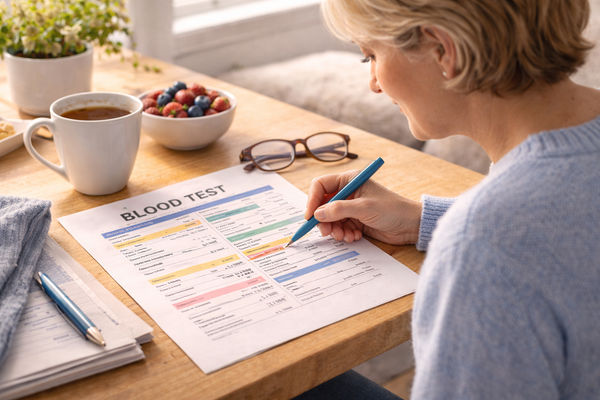
How to Protect Your Vision with Diabetes: 5 Essential Tips


Discover 5 essential tips to safeguard your vision while managing diabetes. Learn how to protect your eyes and maintain healthy blood sugar levels.
How to Protect Your Vision with Diabetes: 5 Essential Tips
Managing diabetes can feel overwhelming, especially when you consider the potential impact on your vision. You might have noticed changes in your eyesight or worry about the long-term effects of diabetes on your eyes. The good news is that there are practical steps you can take to protect your vision and maintain your overall health.
In this article, you'll learn about the connection between diabetes and eye health, and discover five essential tips to keep your eyes healthy. These strategies are simple, actionable, and designed to fit into your daily routine. Let's dive in and explore how you can take control of your eye health while managing diabetes.
Understanding the Link Between Diabetes and Eye Health
Diabetes can affect your eyes in several ways, primarily through conditions like diabetic retinopathy, cataracts, and glaucoma. High blood sugar levels can damage the blood vessels in your eyes, leading to vision problems. According to the Centers for Disease Control and Prevention (CDC), diabetic retinopathy is the leading cause of blindness in adults aged 20-74.
What Is Diabetic Retinopathy?
Diabetic retinopathy occurs when high blood sugar levels damage the tiny blood vessels in the retina, the part of your eye that senses light. This damage can cause the blood vessels to leak fluid or bleed, leading to vision loss. The longer you have diabetes, the higher your risk of developing diabetic retinopathy.
Other Eye Conditions Linked to Diabetes
- Cataracts: People with diabetes are more likely to develop cataracts, a clouding of the eye's lens, at a younger age.
- Glaucoma: Diabetes can increase the risk of glaucoma, a condition that damages the optic nerve and can lead to vision loss.
5 Essential Tips to Protect Your Vision
1. Manage Your Blood Sugar Levels
Keeping your blood sugar levels within a healthy range is crucial for protecting your eyes. High blood sugar can damage the blood vessels in your eyes, leading to vision problems. Here are some tips to help you manage your blood sugar:
- Monitor Your Blood Sugar: Regularly check your blood sugar levels and keep a log. This can help you and your doctor identify patterns and make necessary adjustments to your treatment plan.
- Eat a Balanced Diet: Focus on foods that are low in sugar and high in nutrients. Include plenty of vegetables, lean proteins, and whole grains in your diet.
- Stay Hydrated: Drinking enough water can help flush out excess sugar from your bloodstream.
Try This Today: Use a tool like Sweet Not Sugar to track your meals and monitor your sugar intake. This can help you make healthier choices and keep your blood sugar levels in check.
2. Get Regular Eye Exams
Regular eye exams are essential for detecting and treating eye problems early. The American Diabetes Association (ADA) recommends that people with diabetes get a comprehensive eye exam at least once a year.
- Dilated Eye Exam: This type of exam allows your eye doctor to see the inside of your eyes more clearly. It can help detect diabetic retinopathy and other eye conditions.
- Early Detection: Early detection and treatment can prevent or delay vision loss.
Try This Today: Schedule an eye exam with your optometrist or ophthalmologist. Make it a priority to get your eyes checked at least once a year.
3. Maintain a Healthy Lifestyle
A healthy lifestyle can go a long way in protecting your vision and managing diabetes. Here are some lifestyle changes you can make:
- Exercise Regularly: Physical activity can help lower your blood sugar levels and improve your overall health. Aim for at least 30 minutes of moderate exercise, such as walking or swimming, most days of the week.
- Quit Smoking: Smoking can increase your risk of developing eye problems and other health issues. If you smoke, consider quitting to protect your eyes and overall health.
- Manage Stress: High stress levels can affect your blood sugar levels. Find healthy ways to manage stress, such as meditation, deep breathing, or yoga.
Try This Today: Take a short walk after meals. This can help lower your blood sugar levels and improve your overall health.
4. Protect Your Eyes from the Sun
Exposure to ultraviolet (UV) rays can increase your risk of developing cataracts and other eye problems. Here are some tips to protect your eyes from the sun:
- Wear Sunglasses: Choose sunglasses that block 100% of UV rays. This can help protect your eyes from damage caused by the sun.
- Wear a Hat: A wide-brimmed hat can provide additional protection from the sun.
- Avoid Peak Sun Hours: Try to stay indoors or in the shade during the peak sun hours, usually between 10 a.m. and 4 p.m.
Try This Today: Invest in a good pair of UV-blocking sunglasses. Wear them whenever you're outside, even on cloudy days.
5. Stay Informed and Educated
Staying informed about diabetes and eye health can help you make better decisions about your health. Here are some resources you can use:
- American Diabetes Association (ADA): The ADA provides a wealth of information on diabetes management and eye health.
- National Eye Institute (NEI): The NEI offers resources and information on eye health and vision care.
- Sweet Not Sugar: Many people find apps like Sweet Not Sugar helpful for tracking their meals and monitoring their sugar intake.
Try This Today: Spend some time exploring the ADA or NEI websites. Learn more about diabetes and eye health, and how you can protect your vision.
Common Myths About Diabetes and Eye Health
Myth 1: Only People with Severe Diabetes Develop Eye Problems
Fact: Even people with mild diabetes can develop eye problems. High blood sugar levels, even if they're not extremely high, can damage the blood vessels in your eyes over time.
Myth 2: Eye Problems Are Inevitable with Diabetes
Fact: While diabetes does increase your risk of developing eye problems, it's not inevitable. With proper management and regular eye exams, you can significantly reduce your risk of vision loss.
Myth 3: There's Nothing You Can Do to Prevent Vision Loss
Fact: There are many steps you can take to protect your vision, such as managing your blood sugar levels, getting regular eye exams, and maintaining a healthy lifestyle.
Frequently Asked Questions
1. How Often Should I Get an Eye Exam if I Have Diabetes?
The American Diabetes Association recommends that people with diabetes get a comprehensive eye exam at least once a year. If you have diabetic retinopathy or other eye conditions, your doctor may recommend more frequent exams.
2. Can I Prevent Diabetic Retinopathy?
While you can't completely prevent diabetic retinopathy, you can significantly reduce your risk by managing your blood sugar levels, getting regular eye exams, and maintaining a healthy lifestyle.
3. What Are the Symptoms of Diabetic Retinopathy?
In the early stages, diabetic retinopathy may not cause any symptoms. As the condition progresses, you may experience:
- Blurred or distorted vision
- Floaters (spots or dark strings floating in your vision)
- Difficulty seeing at night
- Vision loss
4. Can Diabetes Cause Other Eye Problems Besides Diabetic Retinopathy?
Yes, diabetes can increase your risk of developing other eye problems, such as cataracts and glaucoma. Regular eye exams can help detect these conditions early and prevent vision loss.
Key Takeaways
- Manage Your Blood Sugar: Keeping your blood sugar levels within a healthy range is crucial for protecting your eyes.
- Get Regular Eye Exams: Regular eye exams can help detect and treat eye problems early.
- Maintain a Healthy Lifestyle: A healthy lifestyle, including regular exercise and a balanced diet, can help protect your vision.
- Protect Your Eyes from the Sun: Wear sunglasses and a hat to protect your eyes from UV rays.
- Stay Informed: Stay informed about diabetes and eye health to make better decisions about your health.
When to Talk to Your Doctor
If you experience any changes in your vision, such as blurred vision, floaters, or difficulty seeing at night, talk to your doctor right away. Early detection and treatment can prevent or delay vision loss.
Final Thing To Note
Managing diabetes and protecting your vision can be challenging, but it's not impossible. By taking small, actionable steps, you can significantly reduce your risk of vision loss and maintain your overall health. Remember, you're not alone in this journey. There are resources and tools available to help you, such as Sweet Not Sugar. If you'd like extra support, Sweet Not Sugar makes it easy to track your meals and monitor your sugar intake.
Medical Disclaimer
The information provided in this article is for educational purposes only and is not intended to replace the advice of your healthcare provider. Always talk to your doctor about any questions or concerns you have about your health.