How to Master Portion Control Without Feeling Deprived
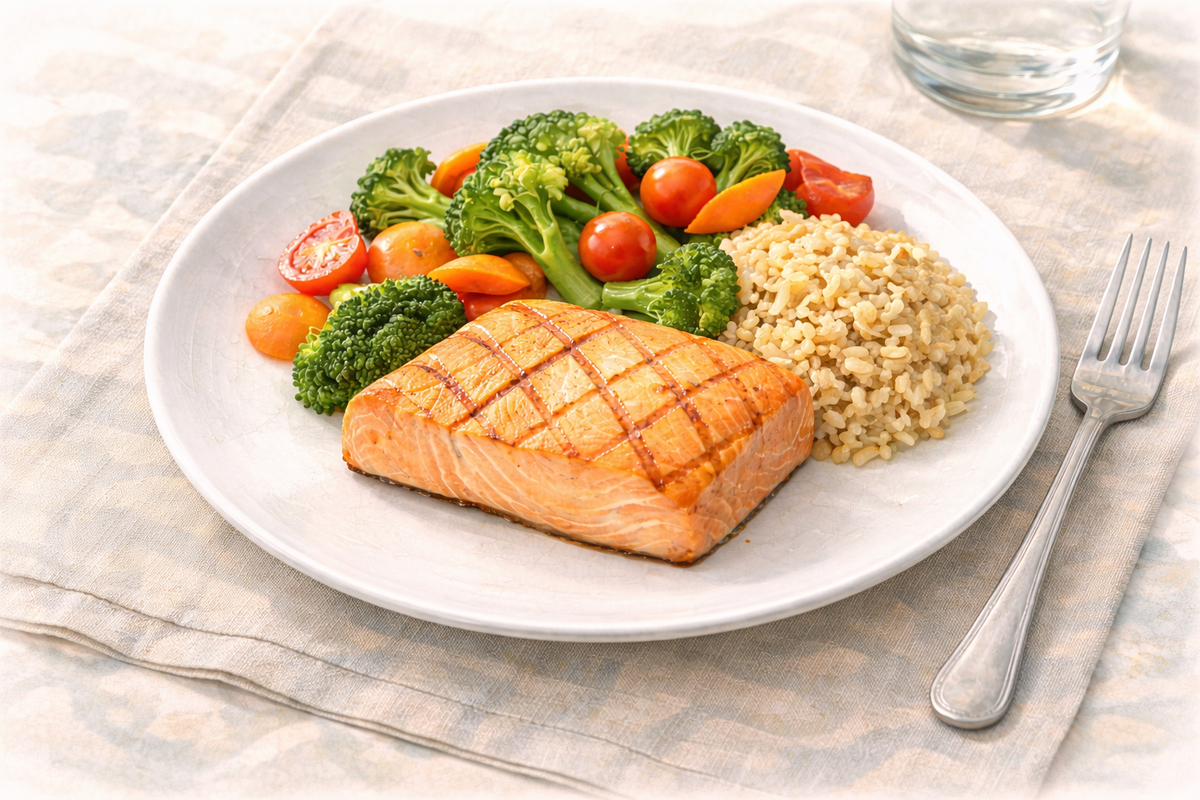
Discover practical tips to manage your portions and maintain a healthy diet without feeling deprived, perfect for adults with type 2 diabetes or prediabetes
Introduction to Portion Control
Many adults with type 2 diabetes or prediabetes find it challenging to manage their portions. Eating large portions can lead to high blood sugar levels, weight gain, and other health complications. According to the CDC, more than 34 million Americans have diabetes, and managing portion sizes is crucial for maintaining good health.
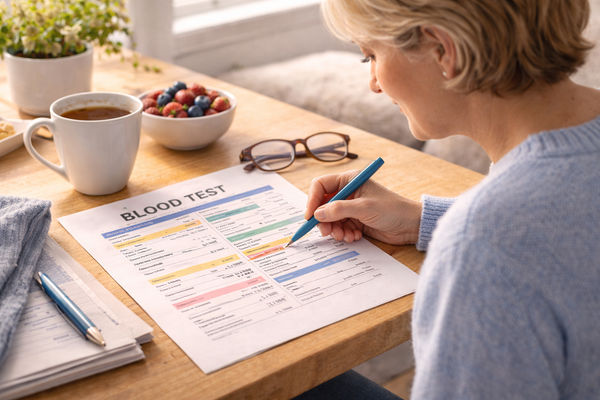
Consider the scenario of a 55-year-old woman who loves cooking and trying new recipes. She finds it hard to resist large portions, especially when eating out or during holidays. She knows that managing her portions is essential for her health, but she doesn't want to feel deprived. In this article, we'll explore practical tips for mastering portion control without feeling deprived.
Understanding Portion Sizes
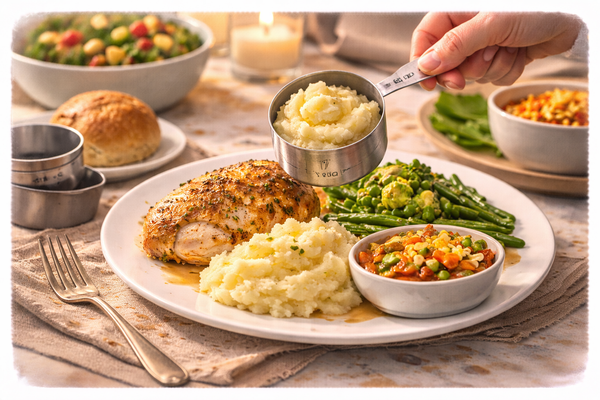
Understanding what a standard portion size is can be confusing. The American Diabetes Association (ADA) recommends using a food scale or measuring cups to measure food portions. For example, a serving size of cooked pasta is 1/2 cup, while a serving size of cooked rice is 1/3 cup. It's essential to note that portion sizes can vary depending on the food and the individual's calorie needs.
Try This Today
Try using a food diary to track your eating habits and portion sizes. Write down everything you eat and drink for a week, including serving sizes. This will help you identify areas where you can make adjustments to manage your portions better.
Benefits of Portion Control
Portion control can have numerous benefits for adults with type 2 diabetes or prediabetes. Some of these benefits include:
- Weight management: Eating smaller portions can help with weight loss and maintenance.
- Blood sugar control: Managing portion sizes can help regulate blood sugar levels.
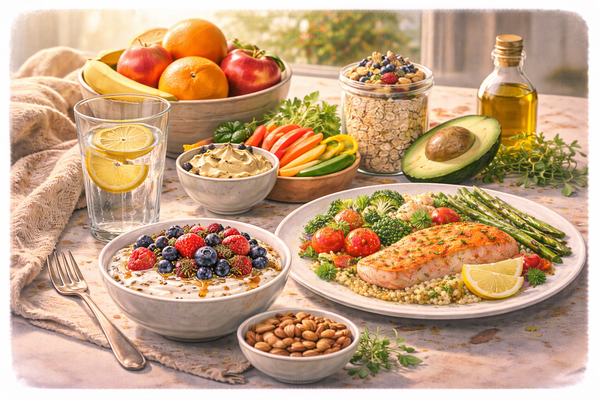
- Improved overall health: Eating a balanced diet with appropriate portion sizes can reduce the risk of chronic diseases like heart disease and certain cancers.
According to the NIH, adults who practice portion control tend to have lower body mass indexes (BMIs) and improved blood sugar control. Additionally, a study published in the Journal of the Academy of Nutrition and Dietetics found that portion control was associated with a lower risk of chronic diseases.
Common Myths About Portion Control
There are several common myths about portion control that can make it seem more challenging than it needs to be. Some of these myths include:
- Myth: Portion control means eating tiny amounts of food.
- Reality: Portion control is about eating the right amount of food for your body's needs.
- Myth: You need to completely cut out your favorite foods to practice portion control.
- Reality: You can still enjoy your favorite foods, just be mindful of the serving sizes.
Practical Tips for Portion Control
Here are some practical tips for mastering portion control:
- Use smaller plates: Using smaller plates can help you eat smaller portions.
- Measure your food: Use a food scale or measuring cups to measure your food portions.
- Eat slowly: Eating slowly can help you feel fuller and reduce the likelihood of overeating.
- Avoid eating in front of screens: Eating in front of screens can distract you from your food and lead to overeating.
- Stay hydrated: Sometimes, thirst can be mistaken for hunger. Staying hydrated can help you avoid overeating.
Tools like Sweet Not Sugar can help you track your food intake and portion sizes. Many people find apps like Sweet Not Sugar helpful for monitoring their eating habits and making healthier choices.
Frequently Asked Questions
Here are some frequently asked questions about portion control:
- Q: How do I know what a standard portion size is?
A: You can use a food scale or measuring cups to measure your food portions. Additionally, you can refer to the nutrition label on packaged foods for serving size information. - Q: Can I still enjoy my favorite foods if I'm practicing portion control?
A: Yes, you can still enjoy your favorite foods. Just be mindful of the serving sizes and try to balance your meals with a variety of foods. - Q: How can I avoid feeling deprived when practicing portion control?
A: Focus on adding healthy foods to your diet rather than restricting certain foods. Also, allow yourself the occasional treat in moderation.
Key Takeaways
Here are the key takeaways from this article:
- Portion control is essential for managing blood sugar levels and overall health.
- Understanding standard portion sizes and using measuring cups or a food scale can help you manage your portions.
- Practicing portion control can have numerous benefits, including weight management and improved blood sugar control.
- Many people find apps like Sweet Not Sugar helpful for monitoring their eating habits and making healthier choices.
When to Talk to Your Doctor
If you're struggling to manage your portions or have concerns about your diet, it's essential to talk to your doctor. They can provide personalized advice and help you develop a meal plan that suits your needs.
Remember, managing portion sizes is a process, and it may take some time to adjust. Be patient with yourself, and don't be too hard on yourself if you slip up. If you'd like extra support, Sweet Not Sugar makes it easy to track your food intake and portion sizes.
Medical Disclaimer: This article is for informational purposes only and is not intended to provide medical advice. Always talk to your doctor before making any changes to your diet or exercise routine.