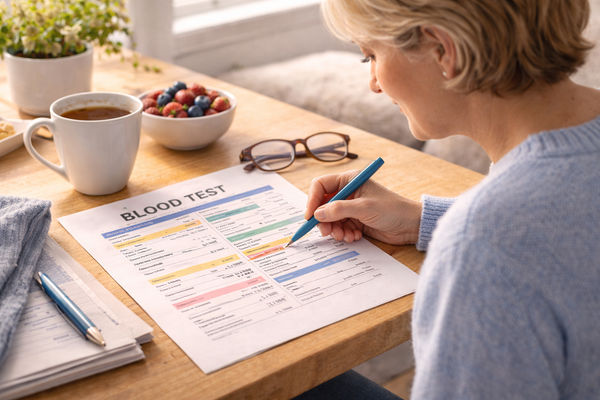
Coffee & Tea for Diabetes: 7 Smart Choices for Better Blood Sugar

Enjoying your morning coffee or afternoon tea with diabetes can be tricky. Discover 7 simple, evidence-based choices to savor your favorite beverages while keeping your blood sugar in a healthy range.
Coffee & Tea for Diabetes: 7 Smart Choices for Better Blood Sugar
It’s easy to feel overwhelmed when managing type 2 diabetes or prediabetes. You're likely making changes to your diet and lifestyle, and sometimes it feels like giving up all the little pleasures. Many people have enjoyed a daily cup of coffee or tea for decades - and you don't necessarily have to stop!
This article will walk you through how to make smart coffee and tea choices that support healthy blood sugar levels. We’ll cover what to look for, what to avoid, and offer practical tips you can start using today. You’ll learn how to enjoy these familiar drinks without worry. Tools like Sweet Not Sugar can help you track the sugar content in all your beverages and understand their impact on your blood glucose.
Why Do Coffee & Tea Affect Blood Sugar?
Both coffee and tea contain compounds that can influence your blood sugar. Caffeine is a stimulant that can temporarily raise blood sugar levels. This happens because caffeine affects insulin sensitivity – meaning your body may not use insulin as effectively. However, the effect varies from person to person.
More importantly, what you add to your coffee or tea is often the bigger problem. Sugars, flavored syrups, and even milk can significantly raise your blood glucose. According to the CDC, over 37 million Americans have diabetes, and another 96 million have prediabetes – meaning even small changes can make a big difference.
7 Smart Coffee & Tea Choices for Blood Sugar Control
Here are seven ways to enjoy coffee and tea while managing your diabetes. We’ll focus on maximizing benefits and minimizing risks.
1. Choose Black Coffee or Unsweetened Tea
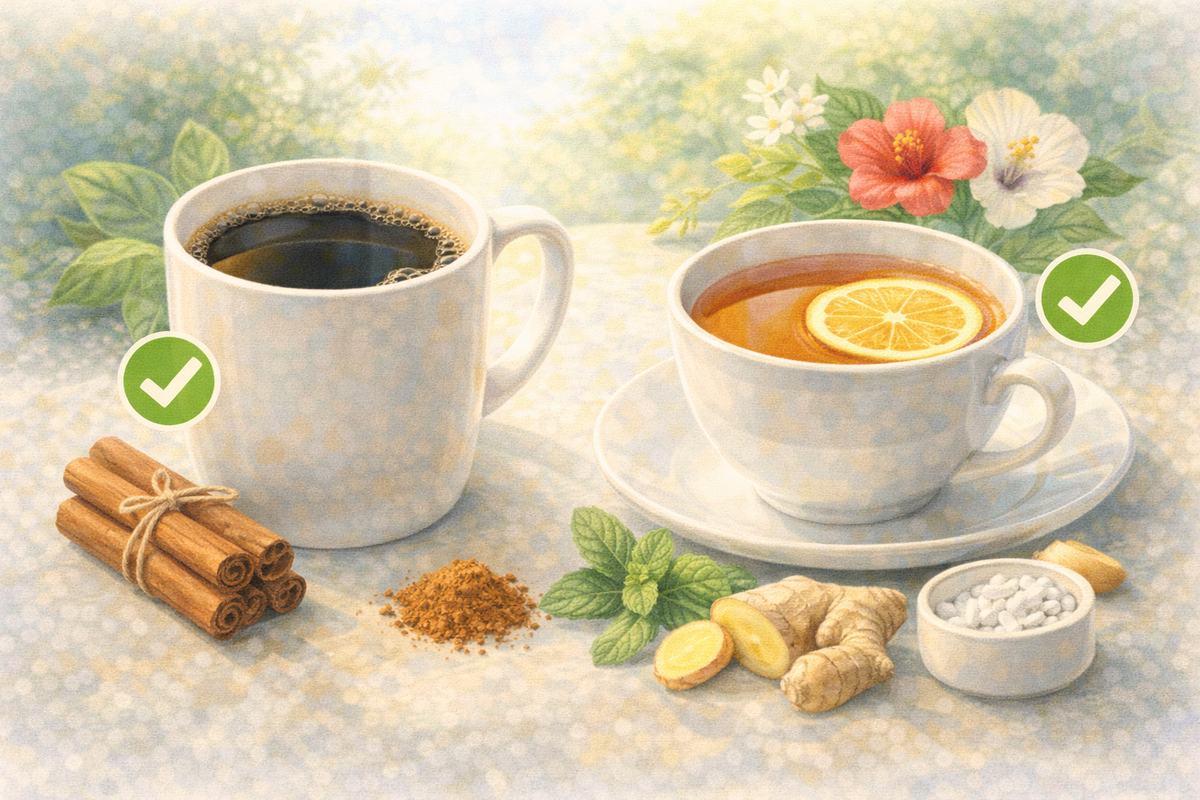
This is the simplest and most effective step. Black coffee and plain, unsweetened tea have virtually no carbohydrates and won’t directly raise your blood sugar. Avoid instant coffee, as some brands contain added sugar. For tea, opt for black, green, white, or herbal varieties—just skip the sweetener!
Try This Today: Swap your sweetened coffee or tea for a plain version. You might be surprised by the natural flavors.
2. Ditch the Sugars & Syrups
This is the biggest change for many. Sugary additions are a major source of hidden carbohydrates. A flavored coffee drink from a coffee shop can easily contain 30-50 grams of sugar—that’s almost as much as a can of soda!
Consider these alternatives:
- Stevia or Monk Fruit: Natural, zero-calorie sweeteners.
- Cinnamon: Adds flavor and may improve insulin sensitivity (NIH research suggests potential benefits, but more studies are needed).
- Unsweetened Cocoa Powder: For a mocha-like flavor.
- A Tiny Splash of Unsweetened Almond Milk: Adds creaminess without a lot of carbs.
3. Be Mindful of Milk & Cream
Dairy milk and cream contain lactose, a natural sugar. While a small amount is usually okay, it can add up. A cup of whole milk has about 8 grams of carbohydrates. If you enjoy milk in your coffee or tea, consider these options:
- Unsweetened Almond Milk: Very low in carbs (around 1 gram per cup).
- Unsweetened Soy Milk: Another good low-carb option (around 4 grams per cup).
- Light Cream or Half-and-Half (in moderation): Choose these sparingly, as they still contain some carbs and fat.
4. Embrace Herbal Teas
Herbal teas are naturally caffeine-free and often offer additional health benefits. Many herbal teas have been shown to have anti-inflammatory properties, which are beneficial for overall health, especially with diabetes. Some good choices include:
- Chamomile: Promotes relaxation.
- Peppermint: Aids digestion.
- Ginger: May help lower blood sugar.
- Hibiscus: Can help lower blood pressure.
5. Understand Coffee’s Impact on Insulin Sensitivity
While coffee doesn’t contain sugar, it can temporarily reduce insulin sensitivity. This means your body may need to work harder to process glucose. The effect isn’t the same for everyone. Research suggests that regular coffee drinkers may develop a tolerance to this effect.
Pay attention to how you feel after drinking coffee. If you notice a spike in your blood sugar, try drinking it with a meal or reducing your intake.
6. Watch Out for “Hidden” Sugars in Bottled & Pre-Made Drinks
Bottled iced teas and pre-made coffee drinks are often loaded with sugar. Always check the nutrition label before purchasing. Look for “added sugars” and aim for drinks with 5 grams or less per serving.
Even drinks labeled “diet” or “sugar-free” might contain artificial sweeteners that some people prefer to avoid.
7. Timing Matters: Avoid Coffee Right Before Bed
Caffeine can disrupt your sleep, and poor sleep can worsen blood sugar control. A study by the National Institutes of Health found a link between insufficient sleep and increased insulin resistance. Avoid drinking coffee or caffeinated tea within six hours of bedtime.
Common Myths About Coffee & Tea and Diabetes
Let's address some misconceptions:
- Myth: Coffee is always bad for diabetes.
Reality: Black coffee in moderation is generally fine. The problem lies in what you add to it. - Myth: Herbal teas have no effect on blood sugar.
Reality: Some herbal teas, like ginger and cinnamon, may have blood sugar-lowering properties. - Myth: You have to give up coffee and tea completely.
Reality: You can enjoy these beverages responsibly by making smart choices about how you prepare them.
Sweet Not Sugar: Your Beverage Buddy
Keeping track of added sugars can be challenging, but tools like Sweet Not Sugar can simplify the process. By taking a photo of your coffee or tea, the app analyzes the sugar content and provides valuable insights. This helps you make informed decisions and build sustainable habits over time. Many people find apps like Sweet Not Sugar helpful for staying on track with their health goals.
Frequently Asked Questions
Q: Can I drink decaf coffee with diabetes?
A: Yes! Decaf coffee has a minimal impact on blood sugar and is a good alternative if you’re sensitive to caffeine.
Q: Is green tea better for diabetes than black tea?
A: Both green and black tea are good choices. Green tea contains antioxidants called catechins, which may offer additional health benefits.
Q: What about flavored teas? Are they okay?
A: It depends. Some flavored teas contain added sugar. Always check the ingredient list to make sure it's sugar-free.
Q: Does adding lemon to tea affect blood sugar?
A: No, lemon has a negligible impact on blood sugar levels and can be a refreshing addition to your tea!
Key Takeaways
- Choose unsweetened: Black coffee and plain tea are the best options.
- Skip the sugar: Opt for natural sweeteners like stevia or cinnamon.
- Be mindful of milk: Use unsweetened almond or soy milk in moderation.
- Explore herbal teas: Enjoy the variety and potential health benefits.
- Monitor your blood sugar: Pay attention to how coffee and tea affect you personally.
When to Talk to Your Doctor
Always talk to your doctor before making significant changes to your diet or lifestyle, especially if you have diabetes. They can provide personalized recommendations based on your individual health needs and medications. If you notice consistently high blood sugar levels after drinking coffee or tea, discuss this with your doctor.
Managing diabetes is a journey, and it's okay to ask for help. If you’d like extra support, Sweet Not Sugar makes it easy to track your intake and understand how different beverages impact your blood glucose. Remember, small changes can lead to big improvements in your health and well-being. You've got this!
Disclaimer: This information is for general knowledge and informational purposes only, and does not constitute medical advice. It is essential to consult with a qualified healthcare professional for any health concerns or before making any decisions related to your health or treatment.