8 Protein-Packed Breakfast Ideas for Steady Blood Sugar

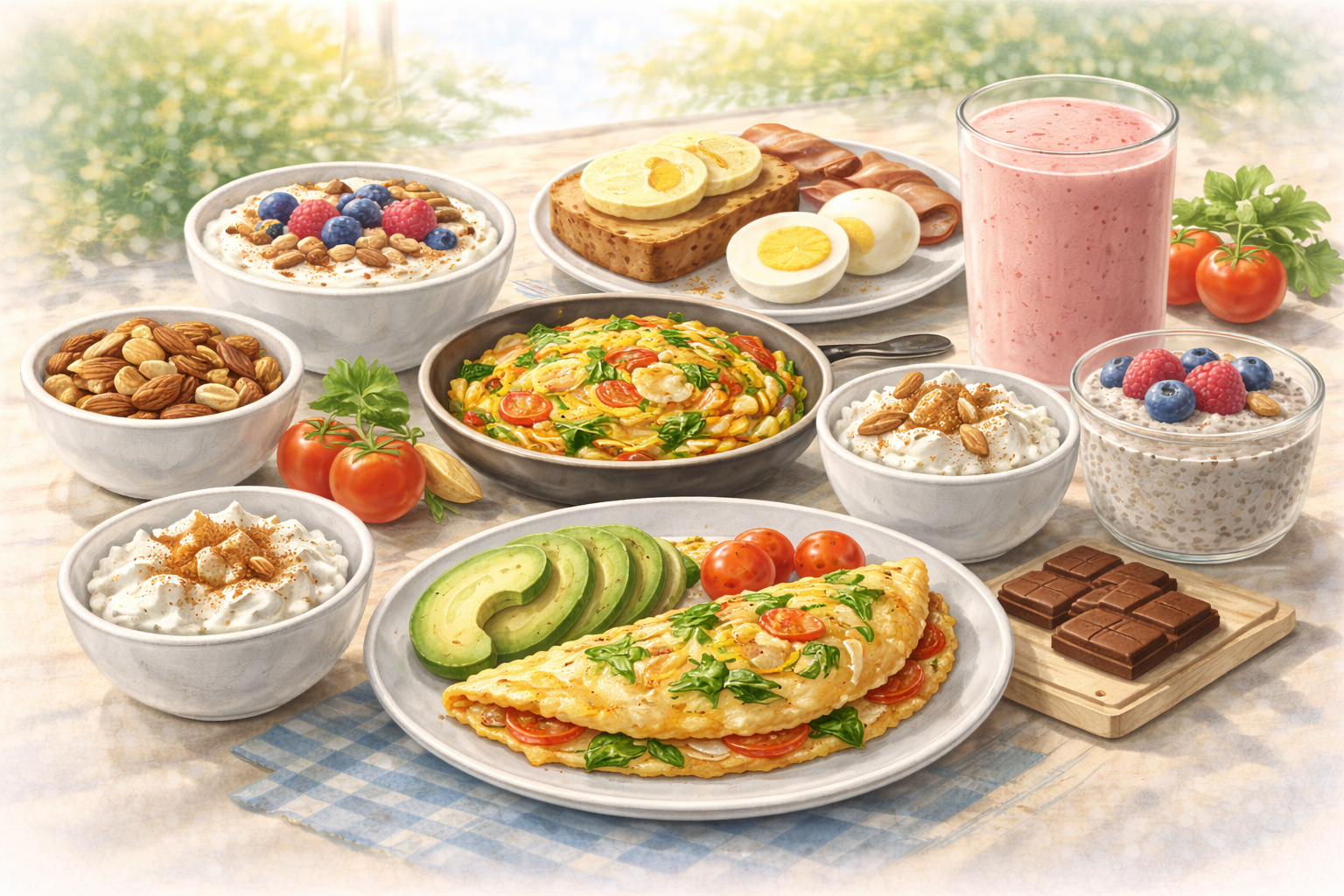
Discover easy, delicious protein-rich breakfast ideas to help manage type 2 diabetes and prediabetes, keep you full, and stabilize blood sugar all morning. Learn smart swaps!
8 Protein-Packed Breakfast Ideas for Steady Blood Sugar
Starting your day right can make a huge difference, especially if you are managing type 2 diabetes or prediabetes. You might wake up feeling hungry, wondering what to eat that won't send your blood sugar soaring. It can feel like a guessing game sometimes, trying to figure out which foods are truly helpful.
Many adults find that focusing on protein and fiber at breakfast is a game-changer. This approach can help you feel full longer and keep your blood sugar levels more steady throughout the morning. In this guide, we'll explore practical and tasty breakfast ideas that fit into your busy life and support your health goals.
Why Protein is Your Breakfast Powerhouse for Blood Sugar
When you have type 2 diabetes or prediabetes, what you eat for breakfast plays a crucial role in your blood sugar management. Carbohydrates, especially refined ones, break down quickly into sugar, leading to rapid blood sugar spikes. Protein, on the other hand, digests more slowly. This slower digestion helps to release glucose into your bloodstream more gradually, preventing those sharp increases.
According to the American Diabetes Association (ADA), incorporating protein can help improve blood sugar control and increase feelings of fullness. This means you're less likely to reach for unhealthy snacks before lunch. Feeling satisfied can also help with weight management, which is important for many people living with diabetes. A report from the Centers for Disease Control and Prevention (CDC) indicates that nearly half of American adults aged 65 or older have prediabetes. Making smart food choices, like adding protein to breakfast, is a great step to take.
Key Takeaway: Protein helps slow down sugar absorption, keeping your blood sugar more stable after your meal.
Understanding the Glycemic Index and Why It Matters
While not strictly about protein, understanding the glycemic index (GI) can help you combine your protein with smart carbohydrate choices. The glycemic index ranks foods based on how quickly they raise blood sugar levels. Foods with a low GI cause a slower, more gentle rise, while high GI foods cause a quicker, sharper spike.
Choosing low GI foods, especially complex carbohydrates rich in fiber, to pair with your protein is a winning strategy. For example, instead of a white bagel (high GI), consider a slice of whole-grain toast (lower GI) with your eggs. This combination gives you sustained energy without the roller coaster effect on your blood sugar. Always remember that portion sizes still count, even with low GI foods.
Try This Today: Swap your usual sugary cereal for one cooked egg, a great source of protein. See how it makes you feel!
1. The Classic Powerhouse: Eggs in Many Forms
Eggs are a breakfast champion for a reason. They are versatile, affordable, and packed with high-quality protein. One large egg contains about 6 grams of protein and less than 1 gram of carbohydrates, making them an excellent choice for blood sugar management.
- Scrambled or Fried Eggs: Cooked in a small amount of olive oil, these are quick and easy. Add a handful of spinach or mushrooms for extra fiber and nutrients. This simple addition can boost your vegetable intake right from the start of your day.
- Hard-Boiled Eggs: Prepare a batch at the beginning of the week. They are perfect for a grab-and-go breakfast when you're short on time. Pair one or two hard-boiled eggs with a small apple for a balanced and satisfying meal.
- Egg Muffins: Whisk eggs with your favorite non-starchy vegetables like bell peppers, onions, and lean ham or turkey sausage. Pour into a muffin tin and bake. These can be made ahead and reheated for a fast, warm breakfast. They store well in the fridge for several days.
Myth Buster: Some people worry about cholesterol in eggs. Current research, including studies highlighted by the NIH, suggests that for most people, dietary cholesterol from eggs has a minimal impact on blood cholesterol levels compared to saturated and trans fats. Talk to your doctor if you have specific concerns about your cholesterol.
2. Greek Yogurt (Plain, Unsweetened): A Creamy Choice
Plain, unsweetened Greek yogurt is another fantastic source of protein. It has about double the protein of regular yogurt, with around 15-20 grams per serving. That's a significant amount to help keep you full and satisfied.
- With Berries and Nuts: Top your Greek yogurt with a handful of fresh berries (like blueberries or raspberries) and a sprinkle of almonds or walnuts. Berries add natural sweetness and fiber, while nuts provide healthy fats and extra protein. Be mindful of portion sizes for nuts, as they are calorie-dense.
- Savory Greek Yogurt: Mix in a little dill, cucumber, and a pinch of salt and pepper for a refreshing savory option. You might even add a hard-boiled egg on the side. This is a unique way to enjoy yogurt if you prefer less sweet breakfasts.
Crucial Note: Always choose plain, unsweetened Greek yogurt. Many flavored yogurts are loaded with added sugars, which can counteract the benefits of the protein. Check the nutrition label carefully! Tools like Sweet Not Sugar can help you easily identify added sugars in foods, making smart choices simpler.
Try This Today: Buy plain Greek yogurt and add your own fresh fruit instead of flavored sugary versions. You'll be surprised how delicious it is!
3. Cottage Cheese: Simple and Satisfying
Cottage cheese is a often overlooked but powerful protein source. A half-cup serving can provide around 12-14 grams of protein, making it excellent for satiety and blood sugar control. It's also a good source of calcium, which is important for bone health as we age.
- With Sliced Tomatoes and Black Pepper: A simple, savory option that is refreshing and light. The tomatoes add a burst of flavor and vitamins.
- With Melon or Peaches (in moderation): If you prefer a slightly sweet taste, pair cottage cheese with a small serving of low-sugar fruits like cantaloupe or fresh peaches. Remember to watch your portion size of fruit to manage carbohydrate intake. The National Institute of Diabetes and Digestive and Kidney Diseases (NIDDK) stresses the importance of balanced meals for diabetes management.
4. Nut Butters on Whole-Grain Toast or Apple Slices
Peanut butter, almond butter, or cashew butter are rich in protein and healthy fats, which help slow down digestion and stabilize blood sugar. Make sure to choose natural nut butters with no added sugar.
- On Whole-Grain Toast: A thin layer of natural peanut butter on a slice of 100% whole-grain toast provides fiber, protein, and healthy fats. Look for bread with at least 3 grams of fiber per slice. The fiber content in whole grains also contributes to better blood sugar control.
- With Apple Slices: For a lower-carb option, spread your favorite nut butter on slices of a crisp apple. The apple provides natural sweetness and fiber, while the nut butter offers satisfying protein and good fats. This is a surprisingly filling combination.
Myth Buster: Some people think all fats are bad. Healthy fats, like those found in nuts and avocados, are actually very good for you! They help you feel full and support heart health. It's the unhealthy saturated and trans fats that you want to limit.
5. Smoothies with Protein Powder: A Quick Option
Smoothies can be a fast and convenient way to get a lot of nutrients, but it's important to make them blood-sugar friendly. The key is to add a good quality protein powder and load up on nutrient-dense ingredients while keeping fruit in check.
- Healthy Smoothie Recipe: Blend one scoop of unsweetened protein powder (whey, casein, or plant-based like pea or soy) with unsweetened almond milk, a handful of spinach, and a few berries (about 1/4 to 1/2 cup). You can also add a tablespoon of chia seeds for extra fiber and omega-3s. This combination ensures a balanced mix of protein, fiber, and healthy fats without excess sugar.
Pro Tip: Avoid adding fruit juice, as it is often high in sugar and lacks the beneficial fiber of whole fruit. Focus on whole fruits in smaller portions. Many people find apps like Sweet Not Sugar helpful for tracking how different smoothie ingredients can impact their added sugar intake.
6. Lean Breakfast Meats (in moderation)
While processed meats should be limited, lean breakfast meats chosen carefully can be part of a protein-rich breakfast.
- Turkey Bacon or Sausage: Look for lower-sodium and lower-fat options. Pair a serving of turkey bacon or sausage with scrambled eggs and a side of non-starchy vegetables like sautéed peppers or onions. Be mindful of portion sizes as these can still be higher in sodium and fat depending on the brand.
7. Tofu Scramble: A Plant-Based Protein Powerhouse
If you prefer plant-based options, a tofu scramble is an excellent choice. Tofu is a complete protein, meaning it contains all nine essential amino acids. It's also low in carbohydrates.
- Savory Tofu Scramble: Crumble firm tofu and sauté it with onions, bell peppers, spinach, and a pinch of turmeric for color. Season with black salt (kala namak) for an "eggy" flavor, if you like. This is a flavorful and filling alternative to eggs, providing a good amount of protein and fiber. You can also add some nutritional yeast for a cheesy flavor and extra B vitamins. According to a study published by the ADA, plant-based diets can be particularly beneficial for people with type 2 diabetes.
8. Chia Seed Pudding: Overnight Convenience
Chia seeds are tiny powerhouses of nutrition, packed with fiber, healthy fats, and a good amount of protein. They absorb liquid and create a pudding-like texture when left overnight.
- Simple Chia Pudding: Mix 2-3 tablespoons of chia seeds with 1 cup of unsweetened almond milk and a drop of vanilla extract. Stir well and refrigerate overnight. In the morning, top with a few berries or a sprinkle of chopped nuts. This is excellent for meal prep and a satisfying, convenient breakfast.
Making Smart Swaps and Building Habits
Changing your breakfast habits doesn't have to happen overnight. Start with one simple swap. Maybe you switch from sugary cereal to oatmeal with nuts and a dash of cinnamon. Or perhaps you add an egg to your usual toast. Small, consistent changes tend to stick better in the long run.
- Read Labels: Always make it a practice to read food labels. Look for "added sugars" and try to pick products with the lowest amounts. Be aware of hidden sugars in seemingly healthy foods like granola, fruit yogurts, and some instant oatmeals. The CDC advises checking labels to manage sugar intake effectively.
- Meal Prep: Spend a little time on the weekend preparing some ingredients. Hard-boil eggs, chop vegetables for scrambles, or pre-portion nuts and berries. This makes healthy choices easier during busy weekdays.
- Listen to Your Body: Pay attention to how different foods make you feel and how they impact your energy and blood sugar. This personal feedback is invaluable in finding what works best for you.
If you'd like extra support in understanding how your food choices impact your blood sugar, Sweet Not Sugar makes it easy to track your meals. Just snap a photo, and the app helps you analyze added sugars versus natural sugars, guiding you toward smarter swaps.
Try This Today: Choose one new protein-rich breakfast idea from this list and give it a try this week! See how it impacts your mid-morning energy levels.
Frequently Asked Questions (FAQ)
Q: Can I still eat fruit for breakfast if I have diabetes?
A: Yes, absolutely! Whole fruits are packed with vitamins, minerals, and fiber. The key is moderation and pairing them wisely. Choose fruits with lower glycemic index values like berries, apples and oranges. Always try to pair fruit with a protein source (like Greek yogurt or cottage cheese) and some healthy fat. This combination helps to slow down the sugar absorption and prevent blood sugar spikes. Avoid fruit juices, as they lack fiber and concentrate sugar.
Q: What if I don't like eggs or dairy?
A: No problem at all! There are many fantastic plant-based protein options. Consider tofu scrambles, chia seed puddings made with unsweetened almond or soy milk, or smoothies with plant-based protein powder. Legumes like black beans can also be incorporated into savory breakfast bowls. Nut butters on whole-grain bread or with vegetables are another great choice. The goal is to find protein sources you enjoy and can easily fit into your routine.
Q: How much protein should I aim for at breakfast?
A: While individual needs vary, many health organizations, including the ADA, suggest aiming for 20-30 grams of protein at each main meal to help with blood sugar control and satiety. This amount can help keep you full and stabilize blood sugar until your next meal. For example, two large eggs provide about 12 grams, a cup of plain Greek yogurt can offer up to 20 grams, and a serving of cottage cheese about 14 grams. Combining different protein sources can help you reach this target.
Q: Is oatmeal good for people with diabetes?
A: Oatmeal can be a good choice, especially steel-cut or old-fashioned rolled oats, because they are high in soluble fiber, which helps to slow digestion and regulate blood sugar. However, instant oatmeal often has added sugars and is more processed, making it a less ideal choice. Always choose plain, unsweetened oats and boost their protein content by adding nuts, seeds (like chia or flax), or a scoop of protein powder. Avoid adding brown sugar or syrup; instead, use cinnamon, a few berries, or a sugar substitute for flavor.
Key Takeaways
- Protein is essential for steady blood sugar: It slows digestion and prevents spikes.
- Focus on whole, unprocessed foods: Prioritize eggs, plain Greek yogurt, cottage cheese, nuts, seeds, and lean proteins.
- Read food labels carefully: Always check for added sugars, even in "healthy" foods.
- Meal prep for success: Prepping ingredients makes healthy breakfast choices much easier.
- Listen to your body: Pay attention to how different foods affect your energy and blood sugar levels.
When to Talk to Your Doctor
Your individual needs for managing type 2 diabetes or prediabetes are unique. It's always important to talk to your doctor, a registered dietitian, or a certified diabetes educator before making significant changes to your diet, especially if you are on medication. They can provide personalized advice based on your health conditions, current medications, and lifestyle.
Medical Disclaimer
This blog post provides general information and discussion about health and related subjects. The words and other content provided in this blog, and in any linked materials, are not intended and should not be construed as medical advice. If the reader or any other person has a medical concern, they should consult with an appropriately licensed physician or other healthcare provider. Never disregard professional medical advice or delay in seeking it because of something you have read on this blog or in any linked materials. The information in this blog is not intended to replace a one-on-one relationship with a qualified health care professional and is not intended as medical advice.