7 Strategies for Diabetes - Smart Frozen Meals on a Budget

Struggling to eat healthy with diabetes when you're cooking for one or two? Discover 7 easy, affordable strategies to master frozen meals for stable blood sugar and quick dinners!
Eating well with diabetes can feel overwhelming, especially if you’re managing meals for just yourself or a partner. Grocery shopping, cooking, and portioning can be time-consuming and expensive. Plus, if you're over 50, dealing with changing appetites and potential health concerns adds another layer of complexity. This guide will give you seven practical ways to use frozen meals to support your blood sugar goals without breaking the bank.
Quick AnswerPlan ahead: Make a list and stick to it when shopping for frozen meals.Read labels carefully: Focus on added sugar, sodium, and fiber content.Boost nutrition: Add vegetables or a side salad to complete your meal.
Why This Matters
Managing blood sugar is crucial for preventing complications like heart disease, nerve damage, and kidney problems. Convenient options like frozen meals can save time and reduce food waste, which is important for those on fixed incomes or with limited energy. Controlling your diet can also lessen your reliance on medications, potentially lowering healthcare costs and improving your overall well-being.
1. Embrace Batch Cooking & Freezing
One of the most cost-effective strategies is to cook larger portions and freeze the leftovers. This gives you control over ingredients and portion sizes. Many classic recipes can be easily adapted for freezing. Think soups, stews, casseroles, and even grilled chicken or fish.
Tip: Cool food completely before freezing to prevent ice crystals from forming. Use freezer-safe containers or bags.
2. Deconstruct & Rebuild: The Power of Add-Ins
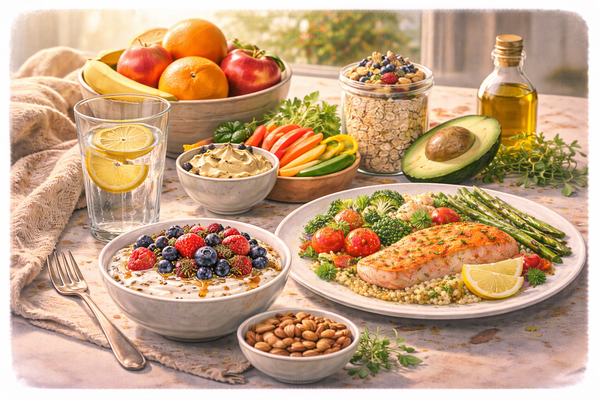
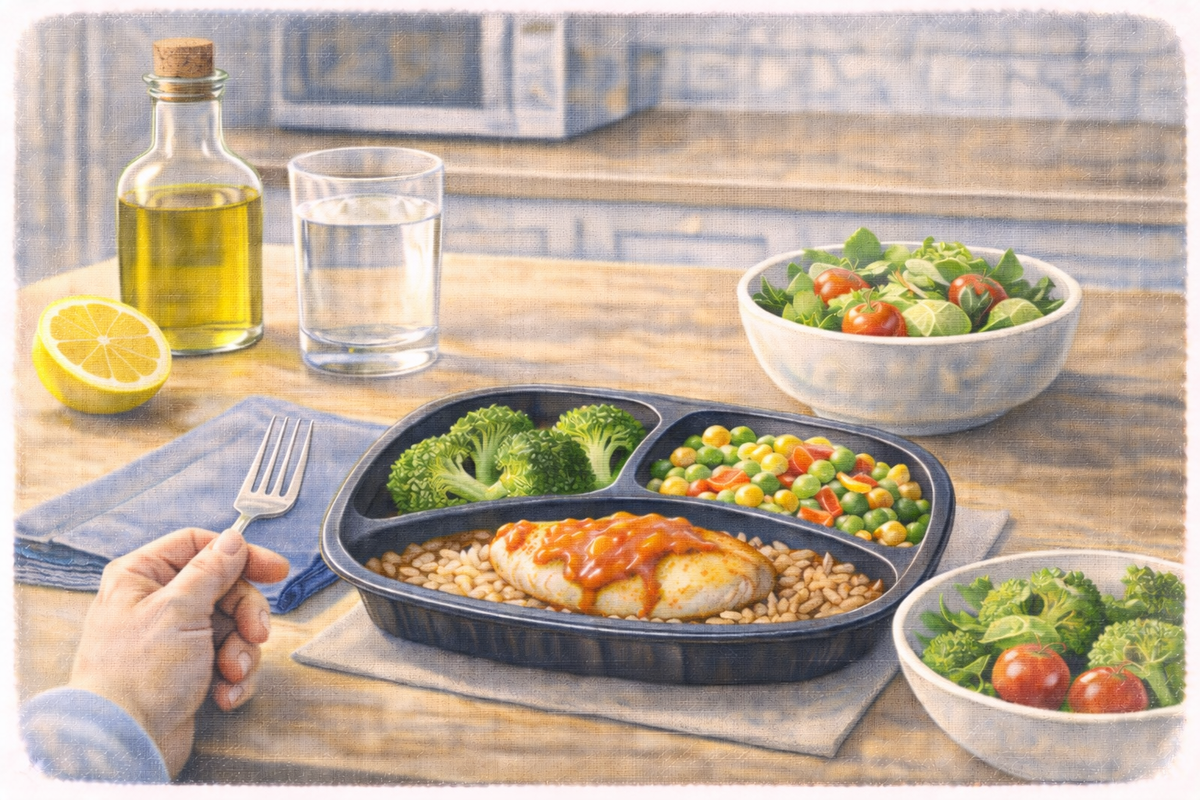
Pre-made frozen meals are often lacking in fiber and vegetables. Don't dismiss them entirely! Instead, view them as a base you can improve. Adding frozen or fresh vegetables, a small serving of whole grains (like brown rice), or a lean protein source can dramatically increase the nutritional value.
For example, a frozen chicken stir-fry can be healthier with added broccoli and a side of quinoa. Reading Nutrition Labels
3. Smart Shopping: Navigating the Frozen Food Aisle
Take the time to compare different brands and options. Focus on meals that are lower in added sugar, sodium, and saturated fat. Look for meals that include a good source of protein and fiber. Protein and fiber help you feel full and satisfied, which can prevent overeating. Check serving sizes carefully, as some frozen meals are designed for two people.
4. Understand Portion Control (It's Not One Size Fits All)
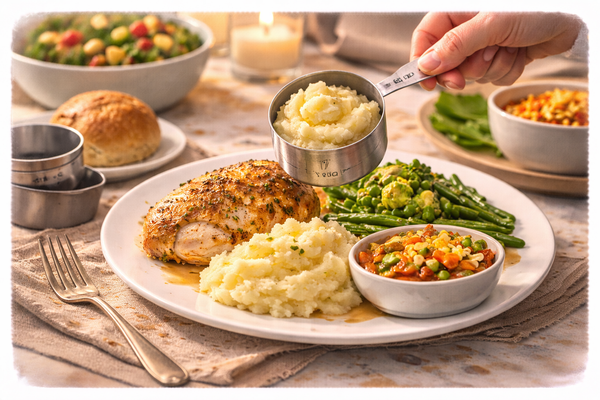
As we age, our metabolism tends to slow down, and we may need fewer calories. Be mindful of portion sizes and adjust them to meet your individual needs. A standard frozen meal serving might be too large. Don’t be afraid to save half for another day.
According to the CDC, nearly 28.7% of adults aged 65 years or older have diabetes. Portion control is a key component of managing blood sugar in this population.
5. Decoding Food Labels: What to Watch Out For
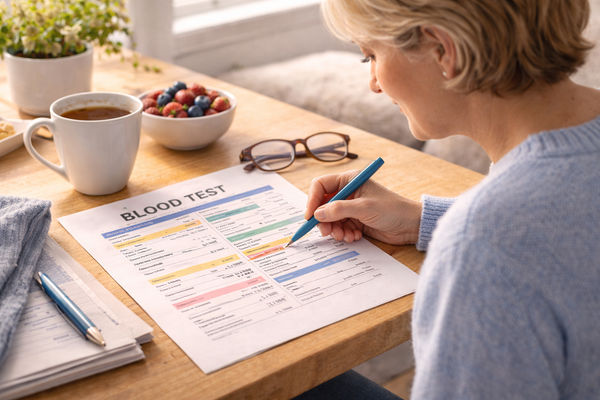
Become a label-reading expert! Pay attention to the following:
- Added Sugar: This is sugar that's been added to the food during processing. Aim for meals with minimal added sugar.
- Sodium: High sodium intake can raise blood pressure. Look for low-sodium options.
- Fiber: Fiber slows down the absorption of sugar, helping to keep blood sugar levels stable. Choose meals with at least 3-5 grams of fiber per serving.
- Total Carbohydrates: Be aware of the total carbohydrate count and how it fits into your overall meal plan. Glycemic Index vs Glycemic Load Explained
6. Busting Frozen Meal Myths
- Myth: Frozen meals are always unhealthy. Reality: Many healthy options are available, and you can boost the nutrition of less healthy meals with add-ins.
- Myth: Frozen meals are expensive. Reality: They can be very affordable, especially when compared to eating out or buying pre-cut ingredients.
- Myth: Frozen vegetables aren't as nutritious as fresh. Reality: Frozen vegetables are often more nutritious than fresh, as they are frozen at peak ripeness.
7. Utilize Online Resources & Meal Delivery Services (With Caution)
Several websites and meal delivery services cater to people with diabetes. These can be convenient, but they are often more expensive than preparing meals yourself. Be sure to carefully review the nutritional information and choose options that align with your dietary needs. Look for services that offer customization based on your blood sugar goals.
Try This Today
Choose one frozen meal this week and add a serving of non-starchy vegetables like spinach or green beans.
Definitions
- Added Sugar: Sugars added to foods during processing, not naturally occurring sugars like those in fruit.
- Glycemic Index (GI): A measure of how quickly a food raises blood sugar levels.
- Glycemic Load (GL): A measure of how much a food raises blood sugar levels, taking into account both the GI and the amount of carbohydrates.
- Non-Starchy Vegetables: Vegetables that are low in carbohydrates and high in nutrients, such as broccoli, spinach, and peppers.
Want This Made Simple?
Taking a photo of your meal with Sweet Not Sugar instantly analyzes the added vs. natural sugar content, giving you personalized glycemic insight. No more guesswork – just smarter swaps for better blood sugar control.
Join the Waitlist
Realistic Swaps
| Instead of… | Try… |
|---|---|
| White rice | Brown rice or quinoa |
| French fries | Steamed broccoli or green beans |
| Sugary sauce | Herbs and spices |
| Processed meat | Grilled chicken or fish |
| Regular pasta | Whole-wheat pasta or zucchini noodles |
| Creamy soup | Broth-based soup |
| Dessert | A small serving of berries with plain yogurt |
| Soda | Sparkling water with a slice of lemon |
7-Day Mini Plan
- Day 1: Read the label of your next frozen meal. Identify the added sugar content.
- Day 2: Add a side salad to your frozen lunch or dinner.
- Day 3: Swap a high-sugar frozen dessert for a small portion of fruit.
- Day 4: Prepare a double batch of soup and freeze half.
- Day 5: Choose a frozen meal with at least 5 grams of fiber.
- Day 6: Drink water instead of soda with your frozen meal.
- Day 7: Plan your frozen meals for the week, focusing on balanced nutrition.
Try This Today
Check your pantry for healthy add-ins like frozen vegetables, quinoa, or lentils.
Common Mistakes
- Assuming all frozen meals are unhealthy.
- Ignoring the serving size.
- Not reading the food label carefully.
- Choosing meals high in sodium and saturated fat.
- Failing to add extra vegetables or protein.
Next Step
Want even more support in managing your blood sugar? Sweet Not Sugar can help you build healthy habits, one meal at a time.
Get the App
FAQ
Are frozen meals a good option for people with diabetes?
Frozen meals can be a convenient and affordable option, if you choose them wisely. Look for meals that are low in added sugar, sodium, and saturated fat, and high in fiber and protein.
How often can I eat frozen meals?
There's no hard and fast rule. As part of a balanced diet, you can incorporate frozen meals several times a week. Focus on making healthy choices and pairing them with nutritious sides.
Can I freeze leftovers from pre-made frozen meals?
Generally, it's not recommended to re-freeze food that has already been frozen. It can affect the quality and safety of the food.
What should I look for in a diabetes-friendly frozen meal?
Prioritize meals with fewer than 20 grams of sugar, less than 600 milligrams of sodium, and at least 3-5 grams of fiber. Look for lean protein sources and plenty of vegetables.
Are frozen fruits and vegetables as healthy as fresh?
Yes, frozen fruits and vegetables are often just as healthy – and sometimes more so – than fresh. They are frozen at their peak ripeness, preserving their nutrients.
Key Takeaways
- Frozen meals can fit into a diabetes-friendly eating plan.
- Label reading is crucial for making healthy choices.
- Adding vegetables & protein boosts nutritional value easily.
- Batch cooking saves time and money long-term.
- Don’t be afraid to modify pre-made meals for health.
Safety Notes
If you use insulin or a sulfonylurea, watch for low blood sugar. Check with your clinician before making major changes to your diet.
When to Talk to Your Doctor
If you experience frequent or severe blood sugar swings, or if you’re struggling to manage your diabetes with diet and lifestyle changes, talk to your doctor. They can help you adjust your medication or develop a more personalized meal plan.
Sources
- Centers for Disease Control and Prevention (CDC): Provides statistics on diabetes prevalence in the US.
- American Diabetes Association (ADA): Offers guidance on diabetes management, including nutrition and meal planning.
- National Institutes of Health (NIH): Funds research on diabetes and provides information on the latest treatments and prevention strategies.
- Mayo Clinic: Provides comprehensive information on diabetes symptoms, causes, and complications.
Related Articles
- 7 Simple Diabetes Swaps for Lower Blood Sugar
- 8 Breakfast Ideas for Stable Blood Sugar
- Understanding the Glycemic Index and Your Diabetes
Disclaimer
This information is intended for general knowledge and informational purposes only, and does not constitute medical advice. It is essential to consult with a qualified healthcare professional for any health concerns or before making any decisions related to your health or treatment.