7 Smart Restaurant Tips to Manage Blood Sugar

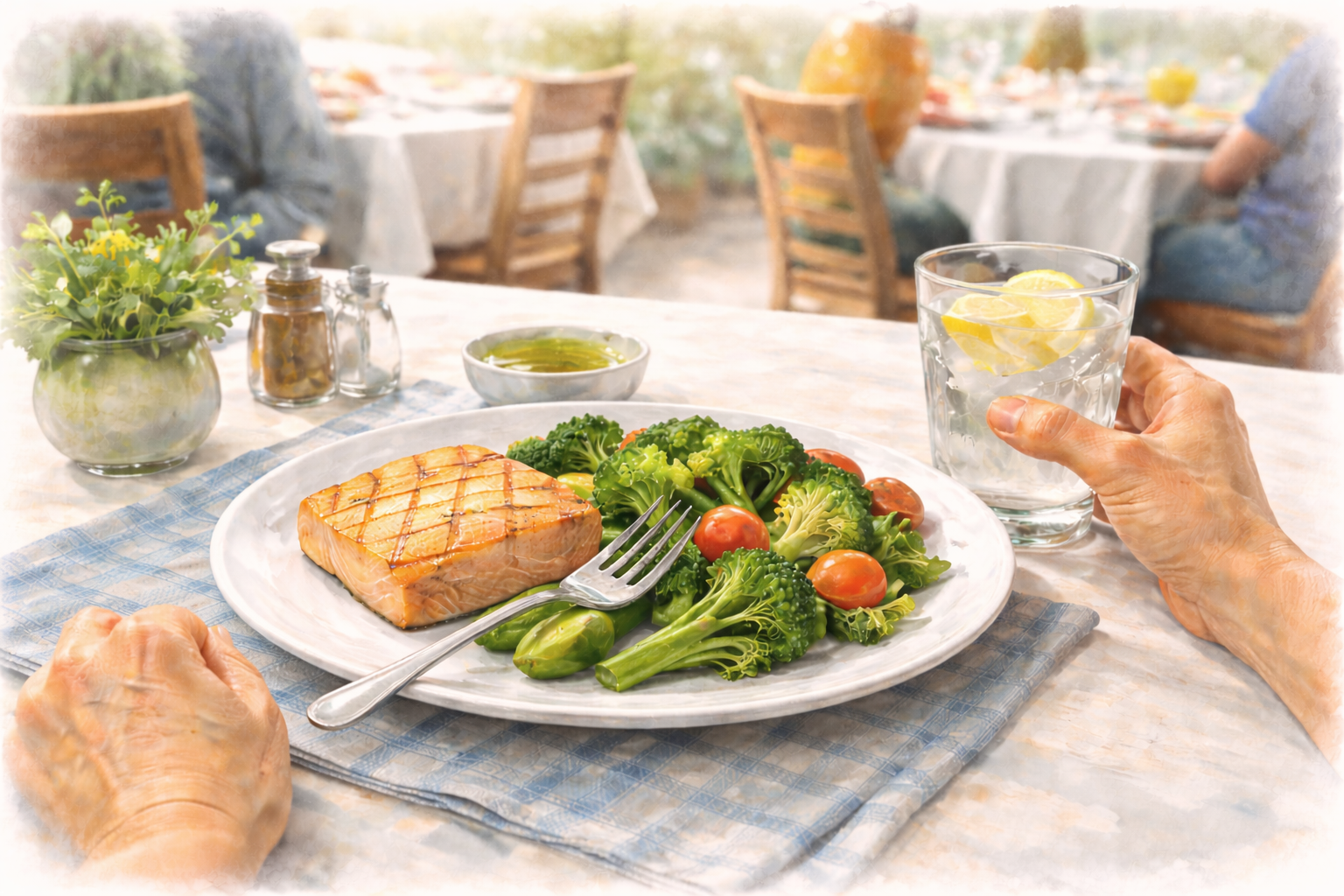
Eating out with diabetes or prediabetes? Discover 7 practical tips to enjoy restaurant meals while keeping your blood sugar steady and stress-free.
7 Smart Restaurant Tips to Manage Blood Sugar
Eating out at restaurants can feel like a challenge when you're managing type 2 diabetes or prediabetes. You want to enjoy a meal with friends or family, but you also want to keep your blood sugar in check. The good news? With a little planning and know-how, you can do both. Whether you're celebrating a special occasion or just grabbing a bite, these tips will help you make smarter choices without feeling deprived.
In this guide, you’ll learn how to navigate menus, portion sizes, and hidden sugars. You’ll also discover simple swaps that can make a big difference. Let’s dive in and make dining out enjoyable and stress-free again.
Why Restaurant Meals Can Be Tricky for Blood Sugar
Restaurant meals often come with larger portions, hidden sugars, and unhealthy fats. According to the American Diabetes Association (ADA), eating out frequently can make it harder to manage blood sugar levels, especially for adults. Here’s why:
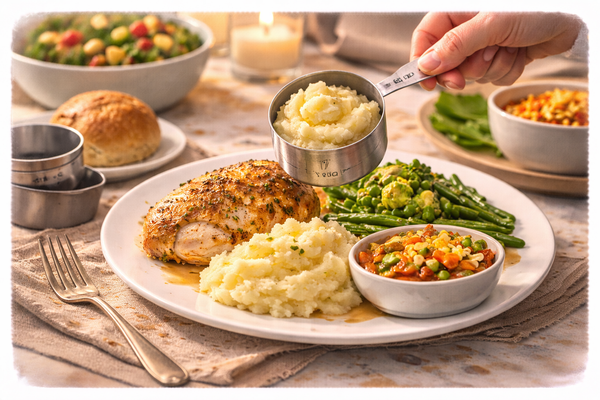
- Larger Portions: Many restaurants serve meals that are 2-3 times the recommended portion size. This can lead to overeating and blood sugar spikes.
- Hidden Sugars: Sauces, dressings, and even savory dishes can contain added sugars. For example, a single tablespoon of ketchup has about 4 grams of sugar.
- High-Carb Sides: Bread, pasta, and potatoes are common sides that can quickly add up in carbohydrates.
But don’t worry—you don’t have to avoid restaurants altogether. With the right strategies, you can enjoy eating out while keeping your blood sugar steady.
7 Smart Tips for Eating Out with Diabetes or Prediabetes
1. Plan Ahead Before You Go
A little preparation goes a long way. Before heading to the restaurant, check the menu online if possible. Many restaurants post their menus and even nutritional information on their websites. Look for dishes that are grilled, baked, or steamed instead of fried or sautéed.
Try This Today:
- Choose a restaurant with healthier options, like grilled fish or salads with lean protein.
- Decide what you’ll order before you arrive to avoid impulsive choices.
2. Watch Your Portions
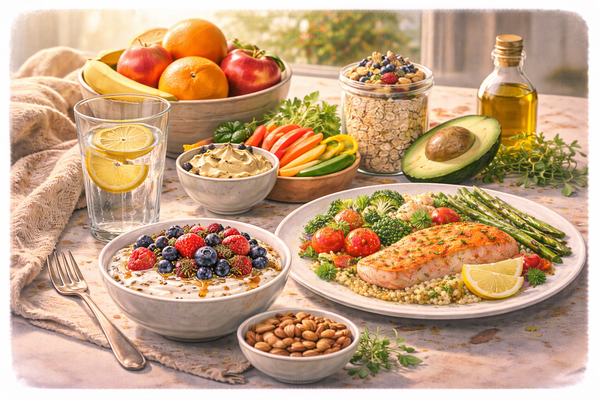
Restaurant portions are often much larger than what you need. The ADA recommends using the “plate method” to balance your meal: fill half your plate with non-starchy vegetables, a quarter with lean protein, and a quarter with whole grains or starchy foods.
Try This Today:
- Ask for a to-go box when your meal arrives and pack up half of it before you start eating.
- Share a meal with a friend or family member to avoid overeating.
3. Choose Wisely: Skip the Hidden Sugars
Sauces, dressings, and marinades can be loaded with sugar. For example, teriyaki sauce can have up to 10 grams of sugar per tablespoon. Opt for dishes with simple seasonings like lemon, herbs, or olive oil.
Try This Today:
- Ask for sauces and dressings on the side so you can control how much you use.
- Choose dishes that are grilled, baked, or steamed instead of those with sweet or creamy sauces.
4. Swap High-Carb Sides for Veggies
Instead of fries, mashed potatoes, or bread, ask for a side of steamed or roasted vegetables. This simple swap can save you carbs and calories while adding fiber to your meal.
Try This Today:
- Request a double portion of vegetables instead of a starchy side.
- If vegetables aren’t an option, choose a small side salad with a light dressing.
5. Be Mindful of Beverages
Sugary drinks like soda, sweet tea, and cocktails can cause blood sugar spikes. According to the Centers for Disease Control and Prevention (CDC), drinking sugary beverages is linked to a higher risk of type 2 diabetes.
Try This Today:
- Opt for water, unsweetened tea, or sparkling water with a splash of lemon.
- If you want a cocktail, choose one with a sugar-free mixer like soda water.
6. Start with a Salad or Soup
Starting your meal with a salad or broth-based soup can help you eat less overall. Just be sure to avoid creamy soups or salads with high-calorie toppings like croutons or cheese.
Try This Today:
- Order a small salad with a light vinaigrette dressing before your main course.
- Choose a vegetable-based soup like minestrone or lentil soup.
7. Don’t Skip Meals Beforehand
Skipping meals to “save” calories for a big restaurant meal can backfire. It often leads to overeating and poor food choices. Instead, eat a small, balanced snack before you go to help control your appetite.
Try This Today:
- Have a handful of nuts or a piece of fruit before heading to the restaurant.
- Stick to your regular eating schedule to avoid blood sugar swings.
Common Myths About Eating Out with Diabetes
Myth 1: You Can’t Eat Out at All
Many people think that managing diabetes means avoiding restaurants entirely. But with the right strategies, you can enjoy dining out without guilt. It’s all about making informed choices and balancing your meal.
Myth 2: You Have to Stick to Salads
While salads can be a great option, they’re not your only choice. Many restaurants offer grilled fish, lean meats, and vegetable-based dishes that are just as healthy. The key is to focus on balanced meals with protein, fiber, and healthy fats.
Myth 3: Dessert Is Off-Limits
You don’t have to skip dessert entirely. Many restaurants offer smaller portions or healthier options like fresh fruit or sugar-free treats. If you’re craving something sweet, consider sharing a dessert with a friend.
How Tools Like Sweet Not Sugar Can Help
Managing blood sugar while eating out can feel overwhelming, but tools like Sweet Not Sugar can make it easier. This app helps you track added sugars and make smarter choices by analyzing your meals and snacks. You can take photos of your food and get insights into the sugar content, helping you stay on track even when dining out.
Many people find apps like Sweet Not Sugar helpful for building sustainable habits. It’s like having a personal coach in your pocket, guiding you toward better choices without feeling deprived.
Frequently Asked Questions
Can I Still Enjoy My Favorite Restaurant Foods?
Absolutely! The key is moderation and balance. If you love pasta, for example, consider ordering a smaller portion or pairing it with a side of vegetables. You can also ask for whole-grain pasta, which has a lower glycemic index and won’t spike your blood sugar as much.
How Do I Handle Social Pressure to Eat More?
It’s common to feel pressured to eat more when dining with friends or family. Politely explain that you’re making choices to manage your health, and most people will understand. You can also suggest restaurants that offer healthier options, making it easier for everyone to enjoy the meal.
What Should I Do If I Overindulge?
If you eat more than you planned, don’t beat yourself up. Instead, focus on getting back on track with your next meal. Go for a walk after eating to help lower your blood sugar, and drink plenty of water to stay hydrated.
Are There Any Restaurant Chains That Are Diabetes-Friendly?
Many restaurant chains now offer healthier options for people with diabetes. For example:
- Panera Bread: Offers salads, soups, and sandwiches with whole-grain bread.
- Chipotle: Lets you customize your bowl with lean protein, vegetables, and healthy fats.
- Olive Garden: Provides lighter options like grilled chicken and steamed vegetables.
Key Takeaways
- Plan Ahead: Check menus online and decide what to order before you arrive.
- Watch Portions: Use the plate method to balance your meal and avoid overeating.
- Skip Hidden Sugars: Choose dishes with simple seasonings and ask for sauces on the side.
- Swap Sides: Opt for vegetables instead of high-carb sides like fries or bread.
- Be Mindful of Drinks: Stick to water, unsweetened tea, or sugar-free beverages.
When to Talk to Your Doctor
If you’re struggling to manage your blood sugar or have questions about your diet, it’s always a good idea to talk to your doctor or a registered dietitian. They can provide personalized advice and help you create a plan that works for your lifestyle.
Final Thoughts
Eating out with diabetes or prediabetes doesn’t have to be stressful. With these tips, you can enjoy restaurant meals while keeping your blood sugar steady. Remember, it’s all about balance and making informed choices. If you’d like extra support, tools like Sweet Not Sugar can help you track your meals and make smarter swaps.
You’ve got this! Every small step you take is a victory, and with time, these choices will become second nature.
Medical Disclaimer: This article is for informational purposes only and is not intended to replace professional medical advice. Always consult your healthcare provider before making changes to your diet or diabetes management plan.