7 Smart Meal Prep Strategies for Managing Type 2 Diabetes

Discover practical meal prep tips for living with type 2 diabetes or prediabetes. Make healthy eating easier and stabilize your blood sugar.
7 Smart Meal Prep Strategies for Managing Type 2 Diabetes
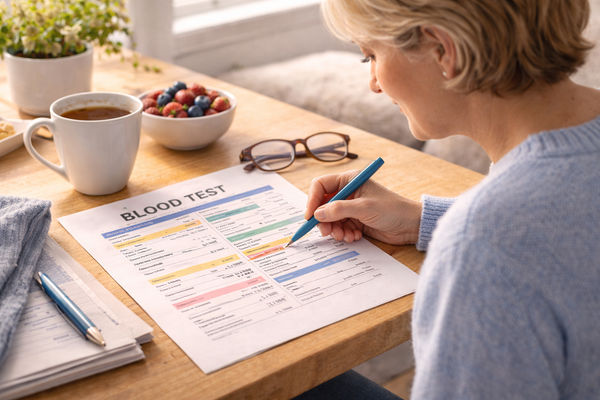
Living with type 2 diabetes or prediabetes can feel like a daily balancing act, especially when it comes to healthy eating. You want to make smart food choices, but life often gets busy. Cooking every meal from scratch might seem impossible alongside everything else on your plate.
But what if there was an easier way? Meal prepping can be a game-changer, helping you eat well without the stress. This guide will share practical, easy-to-follow meal prep strategies designed for adults.
Quick AnswerPlan Ahead: Dedicate time each week to choose meals and create a grocery list.Smart Cooking: Prepare ingredients or whole meals in batches to save time.Store Thoughtfully: Use proper containers and methods to keep your prepped food fresh and safe.
Why This Matters
Meal prepping can directly impact your blood sugar levels and overall health. Skipping meals or choosing quick, unhealthy options can cause blood sugar spikes and crashes. Planning meals ahead helps you stay on track, potentially reducing the need for more complex medications or doctor visits down the road. It's about making your daily life simpler and healthier.
Understanding the Basics of Meal Prep for Diabetes
Meal prepping is simply preparing meals or ingredients in advance. For those managing type 2 diabetes, it’s a powerful tool. It helps you make healthier food choices consistently, avoid last-minute unhealthy options, and manage your carbohydrate intake more effectively.
Research suggests that mindful eating and consistent meal patterns can significantly improve glycemic control in people with type 2 diabetes (Source: Journal of the Academy of Nutrition and Dietetics). This consistency is exactly what meal prep offers. Roughly 13% of all U.S. adults have diabetes, and about 1 in 3 have prediabetes (Source: CDC). Taking control of your eating through meal prep is a vital step.
Where to Begin: Your Weekly Planning Session
The first step to successful meal prepping is planning. Think of it as mapping out your week of healthy eating. This helps you avoid decision fatigue later.
- Pick Your Meals: Choose 2-3 main meals (like a lunch and a dinner) and a few snack options for the week. Focus on recipes with lots of vegetables, lean protein, and whole grains.
- Check Your Pantry: See what ingredients you already have. This saves money and reduces waste.
- Create Your List: Write down every ingredient you need. Group items by section of the grocery store to save time.
- Consider Your Schedule: Think about your activities for the week. Will you need portable meals? Meals that can be reheated easily?
Try This Today: Spend 15 minutes reviewing your week and writing down 2 dinner ideas you'd like to make.
Strategy 1: Batch Cooking for Big Savings
Batch cooking involves preparing large quantities of a single dish that can be divided into individual portions. This works wonderfully for proteins and grains.
- Cook Grains in Bulk: Prepare a large batch of brown rice, quinoa, or whole-wheat pasta. These can be used as bases for different meals throughout the week.
- Roast a Tray of Veggies: Chop an assortment of your favorite vegetables like broccoli, bell peppers, zucchini, and onions. Toss them with a little olive oil and herbs, then roast them all at once. Here's 7 simple ways to lower your blood sugar with vegetables.
- Prepare Lean Protein: Cook a large batch of grilled chicken breast, baked fish, or lentils. These can be added to salads, wraps, or as a side with different vegetables.
Many people find that cooking versatile base ingredients helps them create varied meals without getting bored. For example, a batch of cooked chicken can become chicken salad one day and a stir-fry later in the week.
Strategy 2: Portioning for Blood Sugar Control
Controlling portion sizes is crucial for managing blood sugar. Pre-portioning your meals helps you stick to appropriate serving sizes without having to guess at mealtime.
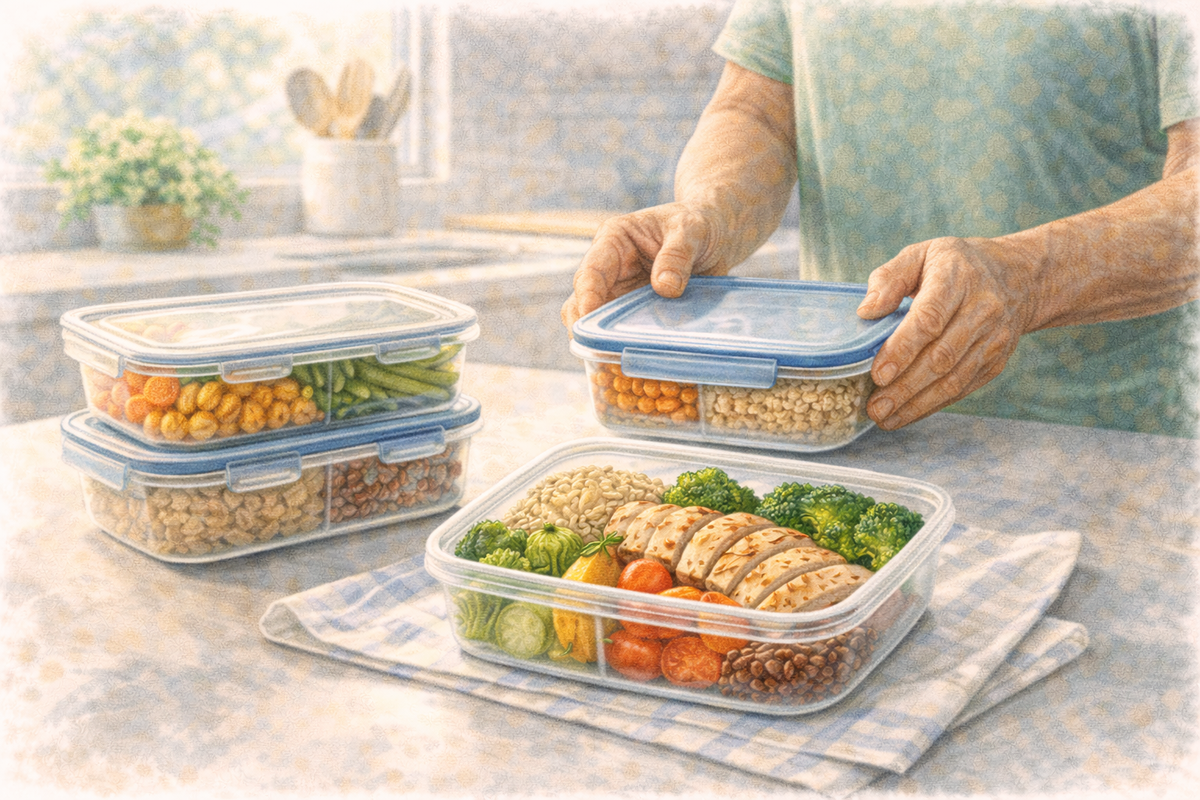
- Use Portion Control Containers: These containers have separate compartments for different food groups (protein, carbs, veggies). They make it easy to see if you have a balanced meal.
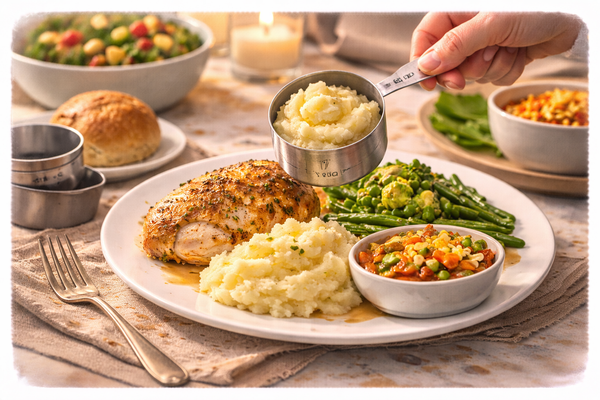
- Measure as You Cook: When dividing batch-cooked meals, use measuring cups and spoons. This helps you learn what a healthy portion looks like.
- Focus on the Plate Method: Fill half your plate with non-starchy vegetables, one-quarter with lean protein, and one-quarter with a whole grain or starchy vegetable.
Try This Today: Buy a set of meal prep containers so you are ready to portion out your next meal.
Want This Made Simple?
Take a photo of your meal with Sweet Not Sugar. Instantly see your added vs natural sugar and get glycemic insights. It makes portioning and smart swaps so much clearer. Join the Waitlist
Strategy 3: Smart Choices for Your Sweet Not Sugar Goals
Choosing foods that support stable blood sugar is key. Focus on whole foods and be mindful of added sugars and processed ingredients.
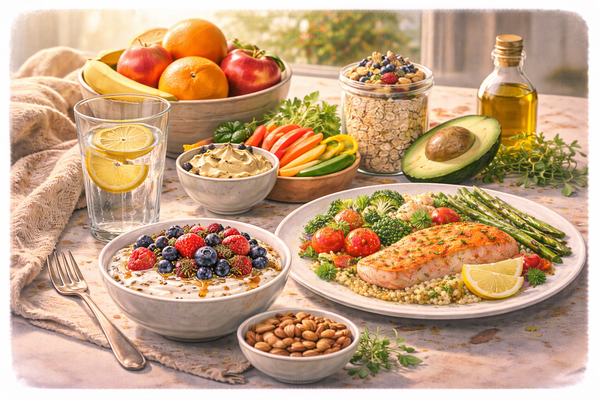
- Prioritize Fiber-Rich Foods: Fiber helps slow down sugar absorption, which is good for blood sugar. Think fruits with skins, vegetables, legumes, and whole grains. Here's how Glycemic Index and Load Can Guide Your Food Choices
- Lean Proteins: Include chicken, fish, beans, lentils, and tofu. Protein helps you feel full and satisfied, making you less likely to snack on unhealthy items.
- Healthy Fats: Avocados, nuts, seeds, and olive oil provide good fats that are important for health and can help with fullness. They generally have little impact on blood sugar directly.
Common Mistakes to Avoid in Diabetes Meal Prep
- Overcooking: Don't cook everything to death. Slightly undercooked vegetables retain more nutrients and texture and can be reheated better.
- Neglecting Snacks: Prepping healthy snacks (like fruit, nuts, or veggie sticks) is just as important as meals to avoid unhealthy choices between meals.
- Lack of Variety: Eating the same thing every day can lead to boredom. Mix up your ingredients and seasonings to keep meals interesting.
- Improper Storage: Not storing food safely can lead to spoilage or foodborne illness. Invest in good airtight containers.
- Trying to Do Too Much, Too Soon: Start small, perhaps just prepping lunches for a few days, then slowly add more as you get comfortable.
Definitions
- Glycemic Control: How well your blood sugar levels are managed within a healthy range.
- Batch Cooking: Preparing large quantities of a single food item or dish at once to be used in multiple meals.
- Non-starchy Vegetables: Vegetables low in carbohydrates, such as broccoli, spinach, bell peppers, and green beans.
- Lean Protein: Protein sources low in fat, such as chicken breast, fish, lentils, and beans.
- Meal Planning: The process of deciding what meals you will eat for a set period, usually a week, before grocery shopping or cooking.
Strategy 4: Freezer Friendly Meals for Busy Weeks
Freezing meals can be a lifesaver for those weeks when you have even less time. Many dishes freeze well and can be pulled out on a moment's notice.
- Soups and Stews: Chili, lentil soup, or vegetable stews are excellent for freezing. Make a double batch and freeze half in individual portions.
- Baked Dishes: Lasagna (with whole wheat noodles), casseroles, or baked chicken dishes can often be frozen before or after baking. Just make sure to cover them tightly.
- Smoothie Packs: Put all your dry smoothie ingredients (spinach, berries, protein powder) into freezer bags. When ready, just add liquid and blend.
Remember to thaw frozen meals safely, usually in the refrigerator overnight, or by using the defrost setting on your microwave.
Strategy 5: Quick Breakfasts and Snacks
Don't forget about the smaller meals! A healthy breakfast sets the tone for your day, and smart snacks prevent hunger-driven poor choices.
- Overnight Oats: Combine rolled oats, unsweetened milk, chia seeds, and a few berries in a jar. Refrigerate overnight for an easy grab-and-go breakfast.
- Hard-Boiled Eggs: Cook a dozen eggs at the start of the week. They make a quick, protein-rich snack or breakfast.
- Pre-portioned Nuts and Seeds: Divide a large bag of mixed nuts into smaller snack bags. This helps with portion control.
Strategy 6: Labeling and Storing Your Creations
Proper storage is crucial for food safety and freshness. Make sure your hard work doesn't go to waste.
- Airtight Containers: Use glass or BPA-free plastic containers with tight-fitting lids. This keeps food fresh and prevents leaks.
- Label Everything: Write the dish name and the date it was prepared. This helps you know what you have and ensures you eat it within a safe timeframe.
- Refrigeration Lifespan: Most prepped meals are good for 3-4 days in the refrigerator. Cooked poultry and fish might be best consumed within 2-3 days.
For more detailed food safety guidelines, the USDA provides excellent resources (Source: USDA Food Safety and Inspection Service).
Strategy 7: Making Smart Swaps
Meal prepping is also a great opportunity to swap out less healthy ingredients for better, blood sugar-friendly options without sacrificing flavor.
Realistic Swaps for Diabetes Meal Prep
- Instead of white rice, try brown rice or quinoa.
- Instead of sugary yogurt, try plain Greek yogurt with berries.
- Instead of pre-made sauces with added sugar, try homemade vinaigrettes or herb-based sauces.
- Instead of white pasta, try whole-wheat pasta or zucchini noodles.
- Instead of fruit juice, try whole fruit or water infused with fruit slice.
- Instead of salty crackers, try whole-grain crackers with avocado.
- Instead of processed breakfast cereals, try oatmeal with nuts and seeds.
- Instead of store-bought muffins, try homemade whole-wheat muffins with less sugar.
Your 7-Day Mini Prep Plan
This simple plan helps you get started without feeling overwhelmed.
- Day 1 (Sunday): Plan your meals for the week, make your grocery list.
- Day 2 (Monday): Shop for your groceries.
- Day 3 (Tuesday): Cook a big batch of your chosen grain (e.g., quinoa).
- Day 4 (Wednesday): Prep your proteins (e.g., grill chicken, bake fish).
- Day 5 (Thursday): Chop and roast a tray of mixed vegetables.
- Day 6 (Friday): Assemble 2-3 lunches and 2-3 dinners using your prepped ingredients.
- Day 7 (Saturday): Enjoy your prepped meals and relax! Recharge for next week's planning.
This gradual approach helps build the habit without feeling like a huge chore.
Next Step
Ready for even more support in making smart food choices? Discover how Sweet Not Sugar can simplify your journey to better blood sugar management. Join the Waitlist
FAQ Section
Does meal prepping mean I eat the same thing all week?
Not necessarily! While you might batch cook certain ingredients (like grains or proteins), you can combine them differently each day. For example, cooked chicken can go into a salad one day and a whole-wheat wrap the next. Variety is key to staying interested and getting a range of nutrients.
How long do meal-prepped meals last in the fridge?
Most meal-prepped meals will stay fresh in the refrigerator for 3 to 4 days when stored in airtight containers. Some delicate items like cooked fish or certain leafy greens might be best consumed within 2 days. Always use your best judgment regarding food safety.
Can I still eat out if I meal prep?
Absolutely! Meal prepping is about making healthy eating easier most of the time, not restricting you. If you know you'll be eating out one day, you can plan for fewer prepped meals that week. It's all about balance and flexibility in your routine.
What if I don't like leftovers?
If you're not a fan of leftovers, consider prepping individual components instead of whole meals. For instance, chop all your vegetables, pre-measure your grains, or marinate your proteins. Then, you can quickly assemble and cook a fresh meal with minimal effort each day.
Is meal prepping expensive?
Meal prepping can actually save you money! Buying ingredients in bulk is often cheaper than buying individual ready-made meals. It also helps reduce food waste, as you use what you buy. Planning your meals also means fewer impulse buys at the grocery store.
Key Takeaways
- Plan ahead to choose meals and shop smart.
- Batch cook proteins, grains, and vegetables.
- Portion accurately for better blood sugar control.
- Prioritize fiber, lean protein, and healthy fats.
- Store safely in airtight, labeled containers.
Safety Notes
If you use insulin or a sulfonylurea medication, be especially mindful of your blood sugar levels when making significant changes to your diet, like starting meal prep. Eating regularly and consistently can help prevent low blood sugar. Always check with your clinician or a registered dietitian before making major dietary changes to ensure they are safe and appropriate for your specific health needs.
When to Talk to Your Doctor
It's always wise to discuss your meal prep plans with your healthcare provider or a registered dietitian. They can offer personalized advice, especially if you have other health conditions or are on specific medications. Talk to them if you notice unexpected changes in your blood sugar, experience persistent low blood sugar symptoms, or have concerns about your diet.
Sources
- Centers for Disease Control and Prevention (CDC): Provides statistics on diabetes prevalence in the U.S. and general health guidelines.
- American Diabetes Association (ADA): Offers guidance on the Plate Method and overall diabetes nutrition management.
- USDA Food Safety and Inspection Service: Supplies comprehensive information on safe food handling and storage practices.
- Journal of the Academy of Nutrition and Dietetics: Published research supporting the benefits of consistent meal patterns for glycemic control.
Disclaimer
This article is for informational purposes only and does not constitute medical advice. Always consult with your healthcare provider or a registered dietitian for personalized advice regarding your diabetes management and dietary needs. Do not disregard professional medical advice or delay in seeking it because of something you have read in this article. All dietary changes should be made under the guidance of a qualified health professional.