7 Simple Ways to Lower Your Blood Sugar with More Vegetables

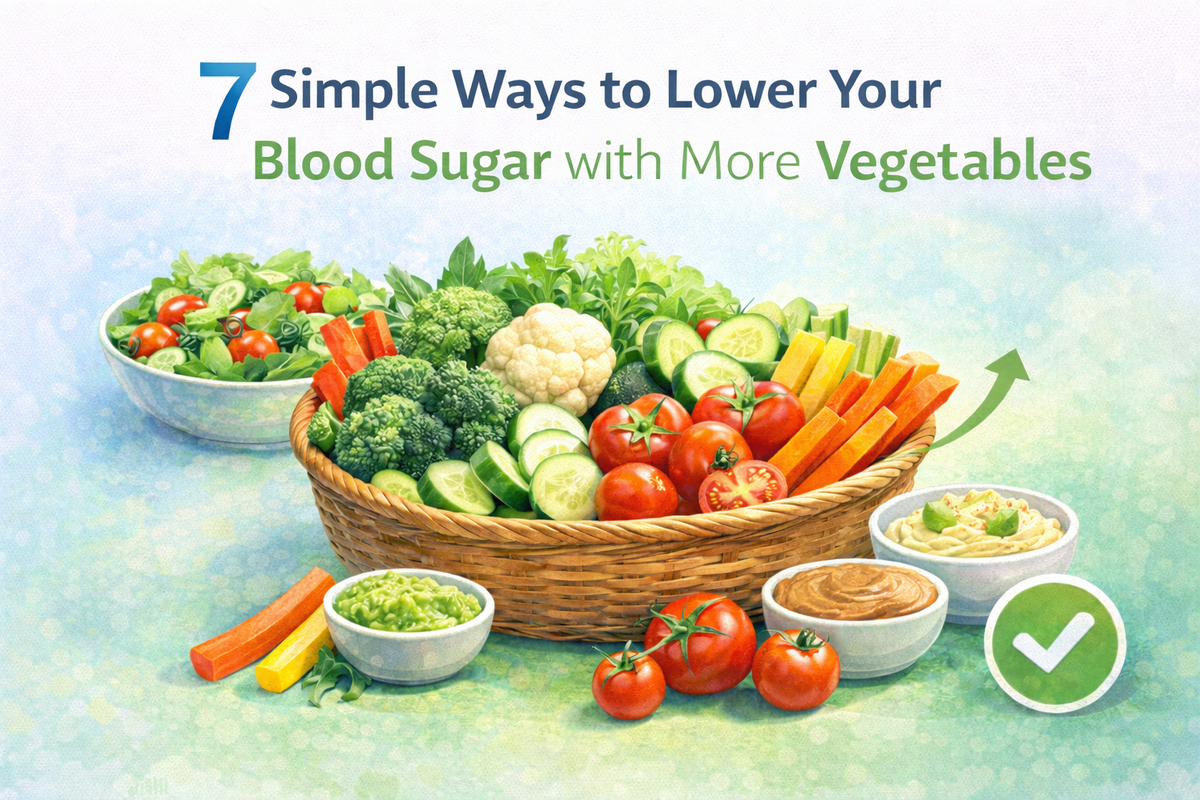
Discover 7 simple, practical ways to add more vegetables to your meals and help control your blood sugar. Learn easy swaps, how to use fiber to your advantage, and why non-starchy vegetables are a must-have. Start making small, meaningful changes today.
7 Simple Ways to Lower Your Blood Sugar with More Vegetables
It can feel overwhelming when you are managing type 2 diabetes or prediabetes. You know you need to make changes, but where do you start? Maybe you have heard you should eat more vegetables, but that sounds boring. You might worry that salads will leave you hungry or that cooking elaborate veggie meals takes too much time. You are not alone in feeling this way.
Making small shifts to your meals can have a big impact on your blood sugar. Vegetables are a powerful tool you have right now. They are packed with fiber, vitamins, and minerals. Best of all, they are naturally low in sugar and fat, which is excellent for your health goals.
In this guide, we will explore seven simple, practical ideas to effortlessly add more vegetables to your day. You will learn how to make your favorite meals healthier and tastier without spending hours in the kitchen.
Why Vegetables Are Your Best Friend for Blood Sugar Control
Vegetables are not just filler on your plate. They contain something essential for managing type 2 diabetes: fiber. Fiber is a type of carbohydrate your body cannot easily digest. This is a very good thing.
When you eat fiber, it slows down how quickly sugar enters your bloodstream. This helps prevent those sharp spikes in blood sugar that can happen after a meal. The American Diabetes Association (ADA) recommends choosing high-fiber, nutrient-dense foods like vegetables regularly.
Think of fiber as a gentle brake on your body's sugar absorption. Fiber also helps you feel full longer. This can help with weight management, which in turn can improve insulin sensitivity. The Centers for Disease Control and Prevention (CDC) notes that losing just 5% to 7% of your body weight can help prevent or delay type 2 diabetes. Adding more veggies is a simple way to support this goal.
Statistic Check
- Fiber Power: The average American adult gets only about 15 grams of fiber per day. The ADA generally recommends 25 to 38 grams daily.
- Nutrient Density: Vegetables are often nutrient-dense. This means they offer many vitamins and minerals with fewer calories. For example, a cup of raw spinach has less than 1 gram of net carbohydrates, making it a stellar choice.
- Blood Pressure Benefit: Eating more vegetables, especially those rich in potassium like sweet potatoes and spinach, can help lower blood pressure. High blood pressure often goes hand-in-hand with type 2 diabetes.
1. Sneak Veggies Into Sauces and Soups
One of the easiest ways to boost your vegetable intake is to hide them. This works well for familiar comfort foods like tomato sauce, meatloaf, or creamy soups. You won't even notice the difference, but your blood sugar will.
How to Easily Add "Hidden" Vegetables
- Boost Your Pasta Sauce: When making spaghetti or lasagna sauce, grate or finely chop vegetables. Try adding carrots, mushrooms, or zucchini into the simmering sauce. They soften and blend right in. Make sure your sauce is low in added sugar.
- Thicken Your Soups: If you love creamy soups, skip the heavy cream and blend cooked cauliflower or cannellini beans into your broth. This creates a rich, creamy texture without the added fat and calories and offers extra fiber.
- Mix Into Ground Meat: When preparing meatloaf, taco filling, or meatballs, add finely diced onions, bell peppers, or even grated celery. This helps stretch the meat portion and adds valuable fiber.
Myth Buster: Some people worry canned vegetables lose all their nutrients. While fresh is great, canned or frozen vegetables are picked at their peak and are just as nutritious. Just make sure to rinse canned vegetables to lower the sodium content.
Try This Today: Next time you make a jar of store-bought pasta sauce, add half a bag of frozen, chopped spinach right before serving.
2. Make the Vegetable the Star of the Plate
Instead of treating vegetables as a side dish, make them the main event. This helps you naturally lower your portion of high-carb sides like bread or mashed potatoes.
Simple Plate Swaps
- Baked Potatoes Swap: Instead of a traditional baked potato, try a stuffed bell pepper. Cut a bell pepper in half and stuff it with a mix of ground turkey, brown rice, and black beans. Bake until tender.
- Cauliflower "Rice": Riced cauliflower is everywhere now. It is a fantastic substitute for white rice. It significantly lowers the carbohydrate count of your meal. You can use it in stir-fries, under curries, or in place of couscous.
- Spiralized Noodles: Use a spiralizer to turn zucchini or yellow squash into "noodles." These are great tossed with a low-sugar pesto or a light tomato sauce. This is a satisfying way to enjoy a pasta-like meal with far fewer carbohydrates.
Many people find apps like Sweet Not Sugar helpful for mastering these swaps. Being able to quickly check your food photos and see the difference between a high-sugar pasta meal and a veggie-noodle swap makes sticking to your plan much easier.
3. Boost Your Breakfast Habits
Breakfast can often be a sugar trap, with high-carb cereal, pastries, or sugary yogurts. Starting your day with vegetables helps set your blood sugar on the right path.
Vegetable Ideas for Breakfast
- Eggs with Color: Scrambled eggs or omelets are perfect vehicles for vegetables. Sauté mushrooms, onions, leftover broccoli, or peppers before adding your eggs. Adding a small amount of lean protein like eggs combined with fiber helps steady your blood sugar.
- Savory Oatmeal: Don't limit oatmeal to sweet toppings. Try stirring in sautéed greens, a pinch of cheese, and an egg for a savory, hearty, and low-sugar start.
- Smoothie Greens: If you enjoy a morning smoothie, toss in a handful of spinach or kale. You won't taste the greens, especially if you blend them with a little protein powder and low-sugar berries.
Remember: Consistency matters more than perfection. Even adding a few slices of tomato to your breakfast sandwich makes a difference over time.
Want this made simple?
Small changes add up - especially when you can see what’s happening in your everyday meals.
Sweet Not Sugar helps you take a photo of your plate and understand where sugar may be sneaking in, plus gives simple swap ideas you can try this week.
Next step: Join the Waitlist
4. Double Down on Sides (And Skip the Starch)
When eating dinner, many people default to a protein, a starch (potato/rice/bread), and a small vegetable side. For better blood sugar control, flip this ratio.
The "Double Veggie" Rule
- Aim for Two Vegetable Servings: Fill half your plate with non-starchy vegetables. Non-starchy vegetables include leafy greens, broccoli, asparagus, mushrooms, and green beans.
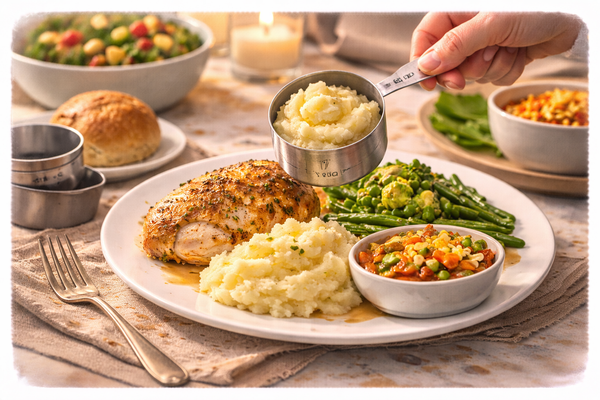
- Smart Starch Portions: Keep your starchy foods (potatoes, rice, corn, peas, breads) to about one-quarter of your plate. Control this portion size carefully.
- Try Simple Roasting or Grilling: Toss broccoli, carrots, or asparagus with olive oil and spices, then roast them until tender-crisp. Roasting brings out their natural sweetness without adding sugar.
If you struggle to remember what is starchy versus non-starchy, think about the traffic light system. Greens are go (eat plenty). Yellows (squash, corn, potatoes) are slow down (eat small portions).
Try This Today: At dinner tonight, serve two different vegetable sides, like a simple cooked carrot and a large salad, instead of one.
5. Snack Smarter with Raw Veggies
Mid-morning or afternoon snacking can be a minefield of sugary or high-carb processed foods. Switching to pre-cut raw vegetables is a fantastic strategy.
Simple, Satisfying Veggie Snacks
- Go Beyond Carrots: Keep a container in your fridge with washed and cut-up snap peas, celery sticks, bell pepper strips, and cucumber slices.
- Pair with Protein: Vegetables absorb blood sugar very slowly. Pairing them with a little protein or healthy fat makes the snack much more satisfying. Try dipping vegetables in:
- Hummus: A great source of fiber and protein. Watch the sodium content.
- Guacamole: Healthy fats from avocados help you feel full.
- Nut Butter: Excellent with celery or apples (remember to watch the portion size of the nut butter).
Always talk to your doctor or a registered dietitian about the best portion sizes and personalized meal plans for your diabetes management. They can offer advice tailored to your specific needs and medications.
6. Embrace Meatless Meals
You don't need to become a full vegetarian, but experimenting with one or two meatless meals a week can be beneficial. Plant-based meals are naturally high in fiber and low in saturated fats, which helps both blood sugar and heart health.
Easy Meatless Meal Ideas
- Lentil or Black Bean Chili: Beans and legumes are powerhouses. They are rich in soluble fiber, which is particularly effective at slowing down digestion and regulating blood sugar. Use lots of tomatoes, onions, and bell peppers in your recipe.
- Veggie Burgers (Homemade): Make patties using mashed chickpeas or black beans, mixed with spices and breadcrumbs (use low-carb oats or almond flour for an extra healthy choice).
- Big Salad Bowl: Build a salad that is a full meal. Start with dark leafy greens and add roasted non-starchy vegetables, a small amount of whole grains (like quinoa), and a healthy protein source like eggs, nuts, or seeds.
If you'd like extra support, Sweet Not Sugar makes it easy to track your veggie intake. You can snap a photo of your lunch, and the app helps you analyze your meal for sugar content, making it easier to choose plant-forward ingredients.
7. Don't Forget the Flavor (Herbs and Spices)
Bland vegetables are a common complaint and a reason people give up. You do not need sugary sauces or dips to make vegetables delicious. Use spices and herbs generously.
Flavor Boosters That Won't Spike Blood Sugar
- Garlic and Lemon: Simple but powerful. Sauté green beans or broccoli with a few cloves of minced garlic and a squeeze of fresh lemon juice at the end.
- Dry Seasoning Rubs: Keep a variety of dry rubs on hand for roasting or grilling. Think Italian seasoning, chili powder, cumin, smoked paprika, or curry powder.
- Healthy Fats: A little olive oil, avocado oil, or a sprinkling of parmesan cheese adds richness. Fat takes longer to digest, which can help slow down the overall absorption of sugar.
Remember to check the labels on any pre-made spice blends or sauces. Some contain hidden sugars or high amounts of sodium. Pure herbs and spices are the best choice.
Frequently Asked Questions About Vegetables and Diabetes
Q: Do I have to limit starchy vegetables like potatoes and corn?
A: You do not have to eliminate them, but portion control is key. Starchy vegetables, like potatoes, corn, and peas, have more carbohydrates than non-starchy ones. They can raise your blood sugar more quickly. You should aim for a small, measured portion (usually about the size of a lightbulb) and balance it with plenty of non-starchy vegetables and protein.
Q: Are frozen vegetables as good as fresh ones?
A: Yes! Frozen vegetables are often picked at their peak ripeness and flash-frozen immediately. This helps them retain their nutritional value. They are convenient, affordable, and often easier to keep on hand. Just check the bag to ensure there are no added sauces or sodium.
Q: Can I use vegetable juice instead of eating whole vegetables?
A: Generally, it is better to eat whole vegetables. Juicing removes the fiber content. Without fiber, the natural sugars in the juice enter your bloodstream faster, which can cause a blood sugar spike. If you enjoy juices, stick to small amounts of vegetable juices (like leafy greens) and avoid fruit-heavy juices.
Q: Should I worry about the carbs in vegetables?
A: Non-starchy vegetables (broccoli, spinach, celery, bell peppers) are very low in carbohydrates and high in fiber. You can generally eat plenty of these without worrying about your blood sugar. It's the starchy vegetables (potatoes, corn, peas) where you need to be mindful of portion sizes.
Key Takeaways for Veggie-Powered Health
- Focus on Fiber: Fiber in vegetables slows down sugar absorption and stabilizes blood sugar.
- Fill Half Your Plate: Make non-starchy vegetables the biggest portion of your lunch and dinner.
- Sneak Them In: Grate or finely chop vegetables into sauces, casseroles, and meat dishes for an easy boost.
- Balance Your Snacks: Pair raw vegetables with a little protein or healthy fat like hummus or nut butter.
- Flavor is Key: Use natural herbs and spices to make vegetables delicious, avoiding sugary sauces.
When to Talk to Your Doctor
If you are making significant changes to your diet, or if you notice changes in your blood sugar readings after trying these new habits, always consult your healthcare provider. Your doctor or a registered dietitian can ensure your dietary changes work safely with your medications and existing health conditions.
Next step
If you’d like a little structure without tracking everything, Sweet Not Sugar helps you build steadier habits over time—one meal at a time.
Optional help: Join the Waitlist
Medical Disclaimer: This information is for educational purposes only and is not a substitute for professional medical advice, diagnosis, or treatment. Always seek the advice of your physician or other qualified health provider with any questions you may have regarding a medical condition.