7 Simple Ways to Cook for One or Two With Diabetes

Cooking healthy meals when you're only feeding yourself (or a partner) can feel overwhelming with diabetes. Discover 7 easy tips to simplify your kitchen and enjoy delicious, blood sugar-friendly food!
7 Simple Ways to Cook for One or Two With Diabetes
It's wonderful to prioritize your health through cooking, but let's be honest: cooking for one or two people with diabetes can feel like a lot of work. Leftovers aren't always appealing, and scaling down recipes can be confusing. If you find yourself wondering, "Is it even worth it?" – you're not alone. This article will show you how to enjoy flavorful, healthy meals without the fuss.
Quick AnswerPlan meals around non-starchy vegetables: Fill half your plate with these for fiber and nutrients.Embrace single-serving cooking methods: Think sheet pan dinners, stir-fries, or using an air fryer.Don’t fear frozen options: They're pre-portioned and can be just as nutritious as fresh.
Why This Matters
Managing type 2 diabetes involves consistent blood sugar control, and diet plays a crucial role. Uncontrolled blood sugar can lead to nerve damage, heart disease, and vision loss. Cooking at home allows you to control ingredients and portion sizes, directly impacting your health and potentially reducing medication costs. Many Medicare plans also cover diabetes self-management education, which can provide even more support.
The Challenges of Cooking for Smaller Households
Many recipes are designed for families of four or more. Reducing these can lead to waste and oddly-sized portions. It’s tempting to order takeout or rely on pre-packaged meals, but these often contain hidden sugars and unhealthy fats. Plus, cooking can feel isolating if you're used to sharing the task with others.
7 Strategies for Diabetes-Friendly Cooking for One or Two
Here are seven simple strategies to make cooking for one or two with diabetes easier and more enjoyable.
1. Master the Art of the Single Serving
Forget scaling down large recipes. Instead, look for recipes specifically designed for one or two servings. There are tons of resources online! Think about cooking methods suited for smaller portions.
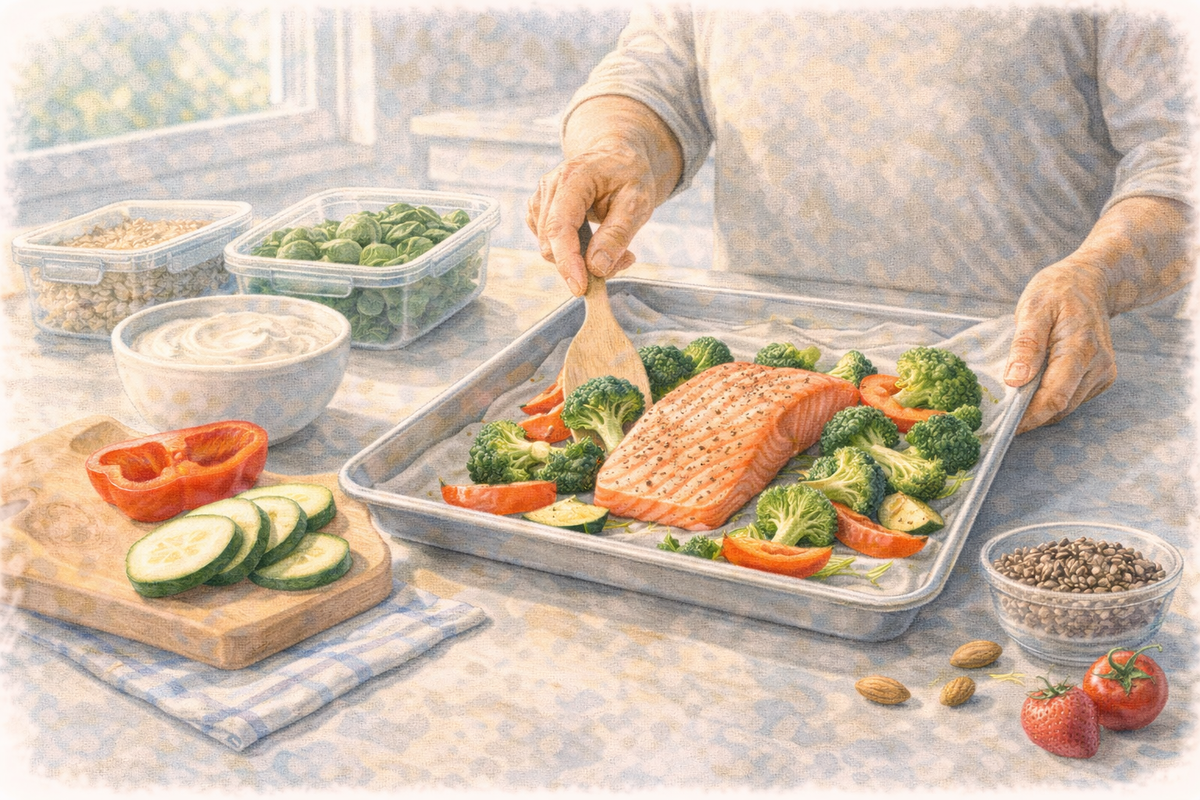
- Sheet Pan Dinners: Roast a small chicken breast or fish fillet with a handful of veggies on a single sheet pan.
- Stir-Fries: Quick and easy, stir-fries allow you to use just the amount of protein and vegetables you need.
- Air Fryer: Perfect for single-serving proteins and crispy vegetables without added oil.
- Slow Cooker (small): Many smaller slow cookers are available – perfect for portioning out soups or stews.
2. Embrace Non-Starchy Vegetables
Non-starchy vegetables should be the star of your plate. They're packed with fiber, vitamins, and minerals, and they have minimal impact on blood sugar levels.
- Examples: Broccoli, spinach, kale, peppers, onions, mushrooms, zucchini, and asparagus are excellent choices.
- Tip: Buy pre-cut vegetables to save time and effort, or freeze leftover portions.
3. Rely on Healthy Protein Sources
Protein helps you feel full and satisfied, and it doesn't significantly raise blood sugar. Choose lean protein sources whenever possible.
- Good Choices: Fish, chicken breast (skinless), turkey, beans, lentils, tofu, and eggs.
- Portion Control: Aim for 3-4 ounces of protein per serving.
4. Smart Carbohydrate Choices
Carbohydrates have the biggest impact on blood sugar. Focus on complex carbohydrates with plenty of fiber. Glycemic Index vs Glycemic Load Explained
- Examples: Whole grains (brown rice, quinoa, oats), beans, lentils, and starchy vegetables (sweet potatoes, corn) in moderation.
- Avoid: Sugary drinks, white bread, pastries, and processed snacks.
5. Frozen Foods are Your Friend
Don't dismiss frozen fruits and vegetables! They're often frozen at peak ripeness, preserving their nutrients. They're also pre-portioned, reducing waste.
- Choose: Plain frozen vegetables without added sauces or seasonings.
- Tip: Frozen berries are great for adding to yogurt or oatmeal.
6. Meal Prep Strategically
Meal prepping doesn't have to mean spending an entire Sunday in the kitchen. Focus on prepping components rather than full meals.
- Examples: Chop vegetables, cook grains, or grill chicken breasts at the beginning of the week. This makes assembling quick and healthy meals much easier.
- Containers: Invest in good quality, reusable containers for easy storage.
7. Don't Be Afraid to Simplify
Healthy eating doesn't have to be complicated. Simple meals can be just as nutritious and satisfying as elaborate ones.
- Example: A grilled salmon fillet with steamed broccoli and a small serving of quinoa is a complete and healthy meal.
Common Mistakes to Avoid
- Skipping meals: This can lead to overeating and blood sugar swings.
- Not reading food labels: Hidden sugars are everywhere!
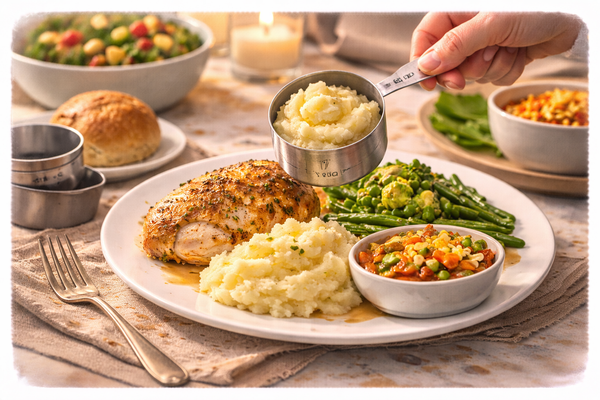
- Underestimating portion sizes: Use measuring cups and spoons to ensure accuracy.
- Focusing too much on restriction: Healthy eating should be enjoyable, not punitive.
- Giving up after a slip-up: Everyone makes mistakes. Just get back on track with your next meal.
Realistic Swaps for Easier Eating
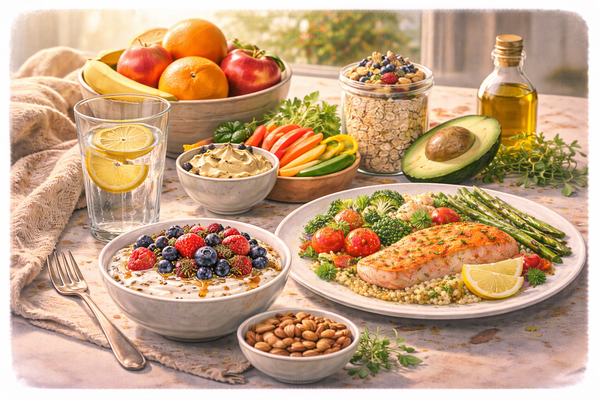
Instead of sugary cereals, try unsweetened oatmeal with berries and nuts.
Instead of white rice, try quinoa or brown rice.
Instead of sugary yogurt, try plain Greek yogurt with fruit.
Instead of soda, try sparkling water with a slice of lemon.
Instead of french fries, try roasted sweet potato fries.
Instead of potato chips, try air-popped popcorn.
Instead of ice cream, try frozen berries blended with Greek yogurt.
Instead of candy, try a small handful of almonds.
7-Day Mini Meal Plan for One or Two
- Day 1: Sheet pan chicken and vegetables.
- Day 2: Lentil soup.
- Day 3: Salmon with steamed broccoli and quinoa.
- Day 4: Turkey and vegetable stir-fry.
- Day 5: Egg and vegetable omelet.
- Day 6: Black bean burgers on whole-wheat buns.
- Day 7: Leftovers or a simple salad with grilled chicken.
Want This Made Simple?
Trying to navigate added sugars and natural sugar levels can be tough. Imagine taking a photo of your meal and instantly seeing a breakdown of the sugars and how it might impact your blood sugar. That's the power of understanding your food without the guesswork.
Try This Today
Try This Today
Fill half your plate with non-starchy vegetables at your next meal.
FAQ
Can I still enjoy desserts with diabetes?
Yes, but moderation is key. Choose desserts made with natural sweeteners and smaller portions. Focus on fruit-based desserts or dark chocolate.
How often should I eat with diabetes?
Regular meal times are important. Aim for three meals and 1-2 healthy snacks throughout the day, spaced evenly apart.
Is it okay to eat out with diabetes?
Absolutely! Plan ahead by checking the menu online and making healthy choices. Ask for sauces on the side and choose grilled or baked options over fried.
What if I accidentally eat something sugary?
Don't panic! A single slip-up won't derail your progress. Get back on track with your next meal and focus on making healthy choices.
Are carbohydrates “bad” for people with diabetes?
Not necessarily. It’s the type and amount of carbohydrates that matter. Focus on complex carbohydrates with plenty of fiber, and control your portion sizes. Here's how to understand Added Sugar vs Natural Sugar
How can I stay motivated to cook healthy meals?
Focus on the benefits: improved blood sugar, more energy, and a reduced risk of complications. Find recipes you enjoy and make cooking a relaxing and enjoyable activity.
Key Takeaways
- Cooking for one or two with diabetes is achievable with planning.
- Prioritize non-starchy vegetables and lean protein sources.
- Choose complex carbohydrates over refined sugars.
- Frozen foods can be a convenient and nutritious option.
- Don’t be afraid to simplify and enjoy your food!
Safety Notes
If you use insulin or a sulfonylurea, watch for low blood sugar. Check with your clinician before making major changes to your diet or medication.
When to Talk to Your Doctor
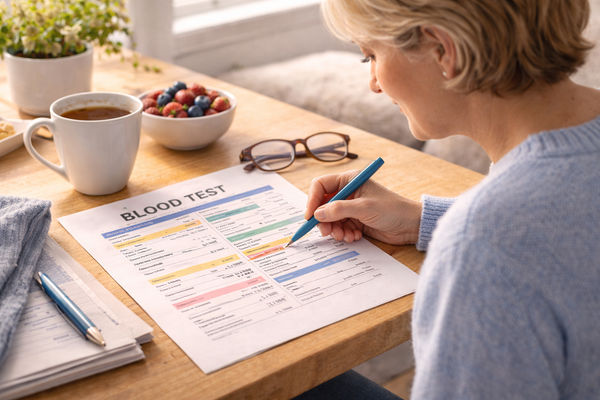
Talk to your doctor if you're experiencing frequent high or low blood sugar, or if you have any concerns about your diabetes management.
Sources
- American Diabetes Association (ADA): Provides comprehensive information on diabetes management, including nutrition guidelines.
- Centers for Disease Control and Prevention (CDC): Offers statistics and information on the prevalence and impact of diabetes in the US.
- National Institutes of Health (NIH): Supports research on diabetes and provides evidence-based recommendations for treatment and prevention.
- Mayo Clinic: Offers reliable information on diabetes symptoms, diagnosis, and treatment.
- Harvard School of Public Health: Provides resources on healthy eating and the relationship between diet and chronic disease.
Related Articles
- How To Master Portion Control Without Feeling Deprived
- How Glycemic Index and Load Can Guide Your Food Choices
- 7 Simple Ways Vegetable-Based Meals Lower Your Blood Sugar
Disclaimer
This information is for general knowledge and informational purposes only, and does not constitute medical advice. It is essential to consult with a qualified healthcare professional for any health concerns or before making any decisions related to your health or treatment.