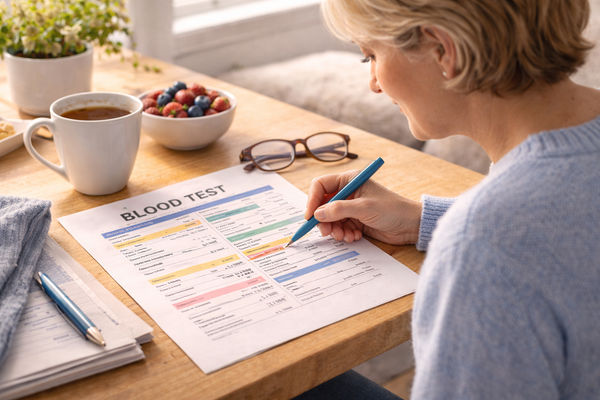
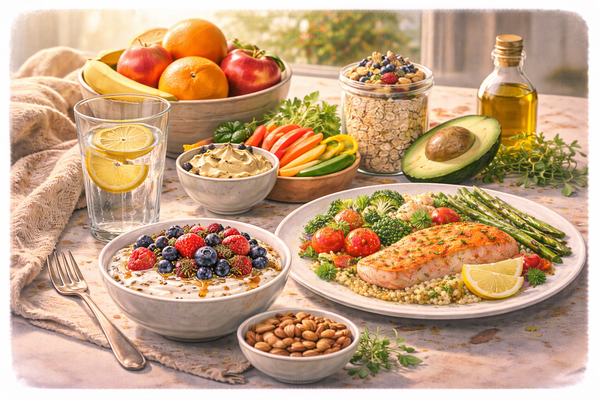
7 Simple Shopping Swaps for Lower Blood Sugar

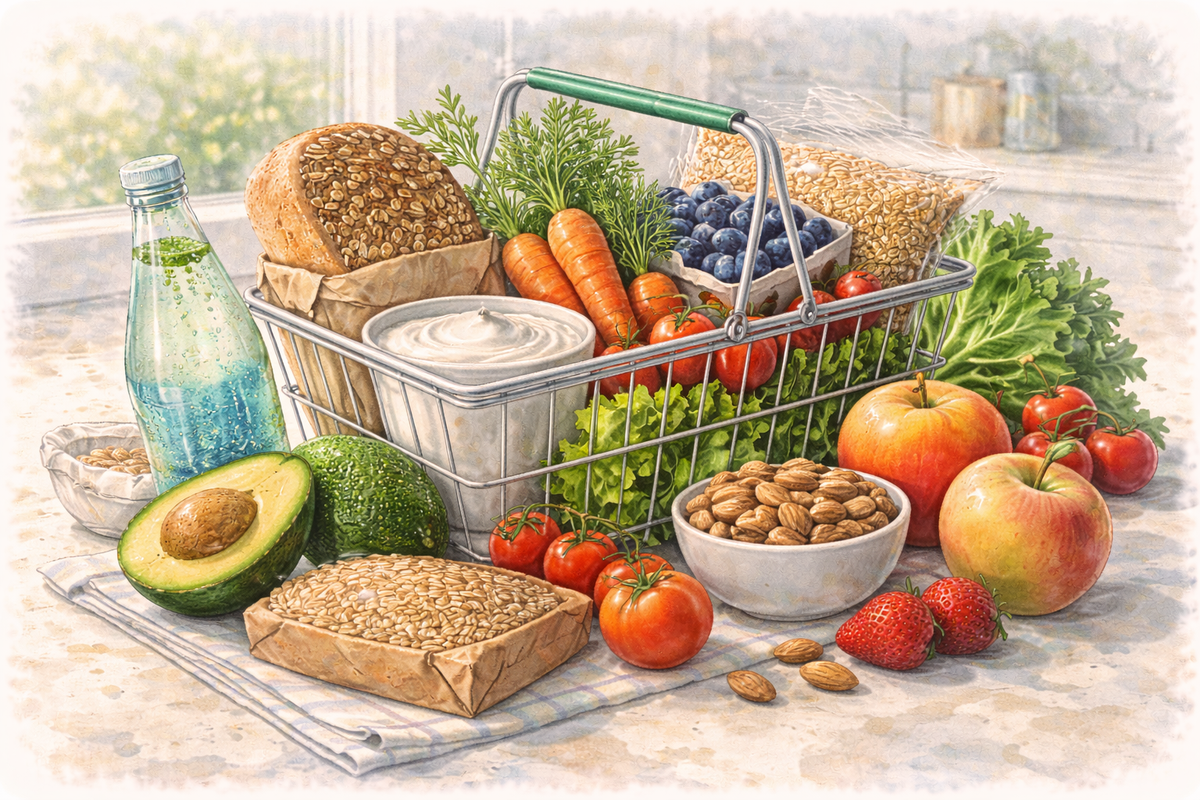
Struggling to keep blood sugar steady? Discover 7 easy grocery shopping swaps that can make a big difference, without feeling deprived. Perfect for those managing diabetes or prediabetes.
7 Simple Shopping Swaps for Lower Blood Sugar
Managing blood sugar can feel like a constant challenge, especially as we get older. It’s easy to feel overwhelmed by all the “rules” about what you can and can’t eat. But small changes, consistently applied, can make a big difference in your health and how you feel. This post will guide you through 7 simple shopping swaps that can help you enjoy delicious foods while keeping your blood sugar levels more stable.
Quick Answer:Focus on swapping highly processed foods for whole, natural options.Reading nutrition labels is key to identifying hidden sugars.Small changes to your shopping list can lead to big health benefits.
Why This Matters
High blood sugar, over time, can lead to serious health problems like heart disease, nerve damage, and kidney issues. For people 50+, staying on top of blood sugar is critical for maintaining energy, independence, and overall quality of life. Making informed choices at the grocery store is one of the most powerful things you can do.
Understanding Sugar and Your Body
Before we dive into the swaps, let’s quickly understand what happens when you eat sugar. When you consume carbohydrates, your body breaks them down into glucose (sugar), which enters your bloodstream. Insulin helps move this glucose from your blood into your cells for energy. In type 2 diabetes, your body doesn’t use insulin well, leading to higher blood sugar levels. How To Understand Added Sugar vs Natural Sugar
7 Shopping Swaps for Steady Blood Sugar
These swaps aren't about deprivation; they're about making smarter choices.
1. White Bread to Whole-Grain Bread
White bread is made from refined grains, which are quickly digested and cause blood sugar spikes. Whole-grain bread contains more fiber, slowing down digestion and leading to a more gradual rise in blood sugar. Look for bread where “whole wheat” or “whole grain” is the first ingredient.
2. Sugary Cereal to Oatmeal
Many breakfast cereals are loaded with added sugar. A quick look at the label will often reveal this. Starting your day with a sugar rush can set you up for a rollercoaster of blood sugar fluctuations. Oatmeal, especially steel-cut or rolled oats, is a much better choice. It’s a complex carbohydrate rich in fiber, keeping you feeling full and energized longer. Consider adding berries or a sprinkle of nuts for extra flavor and nutrients.
3. Sweetened Yogurt to Plain Yogurt
Flavored yogurts often contain a surprising amount of added sugar. Plain yogurt, while tart on its own, provides a healthy dose of protein and calcium. You can sweeten it naturally with a handful of berries, a sprinkle of cinnamon, or a small drizzle of honey.
4. Regular Soda to Sparkling Water
Soda is a major source of empty calories and added sugar. It offers no nutritional value and can significantly raise blood sugar. Sparkling water is a refreshing alternative with zero sugar and calories. Add a slice of lemon, lime, or cucumber for extra flavor.
5. Fruit Juice to Whole Fruit
Even 100% fruit juice lacks the fiber found in whole fruit. This means the sugar is absorbed more quickly, causing a blood sugar spike. An apple or a pear with the skin on provides fiber, vitamins, and antioxidants.
Try This Today
Next time you’re at the store, swap your usual sugary soda for a bottle of sparkling water.
6. White Rice to Brown Rice
Similar to white bread, white rice is a refined grain. Brown rice is a whole grain, retaining its bran and germ layers. This results in more fiber, vitamins, and minerals, and a slower release of glucose into your bloodstream.
7. Sugary Snacks to Nuts & Seeds
Cookies, candies, and chips offer little nutritional value and are often packed with added sugar and unhealthy fats. Nuts and seeds, in moderation, provide healthy fats, protein, and fiber. A small handful of almonds, walnuts, or pumpkin seeds can help stabilize blood sugar and keep you feeling satisfied.
Busting Common Myths
- Myth: You have to give up all sweets to manage diabetes. Truth: You can enjoy treats occasionally, but focus on portion control and choosing options lower in added sugar.
- Myth: All carbohydrates are bad for blood sugar. Truth: Complex carbohydrates like whole grains, fruits, and vegetables are an important part of a healthy diet. It's the type and amount of carbs that matter.
- Myth: Artificial sweeteners are a healthy substitute for sugar. Truth: The research on artificial sweeteners is mixed. Some people find them helpful, while others experience negative side effects. Glycemic Index vs Glycemic Load Explained
Definitions
- Glycemic Index (GI): A rating of foods based on how quickly they raise blood glucose levels.
- Glycemic Load (GL): Takes into account both the GI and the amount of carbohydrate in a serving.
- Added Sugar: Sugars that are added to foods and beverages during processing or preparation.
- Whole Grain: Grains that contain all three parts of the kernel: the bran, germ, and endosperm.
Want This Made Simple?
Taking a photo of your meals, snacks, and drinks with Sweet Not Sugar lets you instantly see added vs. natural sugar and get personalized glycemic insight. Stop guessing and start knowing what fuels your body best!
Join the Waitlist
A 7-Day Grocery Swap Challenge
Here’s a simple plan to get you started:
- Day 1: Swap white bread for whole-wheat bread.
- Day 2: Choose plain yogurt over flavored yogurt.
- Day 3: Replace soda with sparkling water.
- Day 4: Opt for an apple instead of apple juice.
- Day 5: Swap white rice for brown rice.
- Day 6: Choose a handful of almonds over a cookie.
- Day 7: Read the labels on your favorite cereal and choose one with less than 5 grams of added sugar.
Grocery List for Low Sugar Eating
- Rolled Oats or Steel-Cut Oats
- Whole-Wheat Bread
- Plain Greek Yogurt
- Berries (strawberries, blueberries, raspberries)
- Almonds or Walnuts
- Brown Rice
- Sparkling Water
- Avocados
Try This Today
Read the nutrition label on your favorite packaged snack. How much added sugar does it contain?
Common Mistakes
- Focusing only on sugar: Healthy eating is about the overall balance of nutrients, not just eliminating sugar.
- Ignoring portion sizes: Even healthy foods can raise blood sugar if you eat too much.
- Falling for “sugar-free” traps: Some sugar-free products contain unhealthy fats or artificial sweeteners.
- Not reading labels carefully: Hidden sugars are everywhere! Check the ingredients list.
- Giving up after a slip-up: Everyone makes mistakes. The key is to get back on track with your next meal.
What To Order: Restaurant Swaps
- Instead of: French fries, try: A side salad with vinaigrette
- Instead of: White pasta, try: Whole-wheat pasta or zucchini noodles
- Instead of: Sweet tea, try: Unsweetened iced tea or water with lemon
- Instead of: Creamy salad dressing, try: Olive oil and vinegar
- Instead of: Dessert, try: A small portion of fruit
Realistic Swaps
- Instead of sugary breakfast pastries, try whole-grain toast with avocado.
- Instead of white potatoes, try sweet potatoes.
- Instead of sugary jam, try mashed berries.
- Instead of flavored coffee creamer, try a splash of unsweetened almond milk.
- Instead of candy, try a small square of dark chocolate (70% cacao or higher).
- Instead of fruit punch, try infused water with fruit and herbs.
- Instead of regular cookies, try homemade oatmeal cookies with minimal sugar.
- Instead of sweetened applesauce, try unsweetened applesauce with cinnamon.
Next Step
Want even more help building a personalized low-sugar eating plan? Sweet Not Sugar offers a supportive and easy-to-use way to track your meals and make smarter choices.
Join The Waitlist
FAQ
Does fruit raise my blood sugar?
Yes, fruit contains natural sugars. However, it also provides fiber, vitamins, and antioxidants, making it a healthier choice than processed sweets. Focus on fruits with a lower glycemic index, like berries, apples, and pears, and enjoy them in moderation.
Are all carbs bad for diabetes?
No, not all carbs are created equal. Complex carbohydrates, found in whole grains, fruits, and vegetables, are digested more slowly and have a smaller impact on blood sugar.
How much sugar is too much?
The American Heart Association recommends limiting added sugar to no more than 25 grams per day for women and 36 grams per day for men.
Can I still enjoy a treat sometimes?
Absolutely! Depriving yourself completely can lead to cravings and overeating. Enjoy treats in moderation, and plan for them as part of your overall healthy eating plan.
Is it really worth reading nutrition labels?
Yes! Nutrition labels provide valuable information about the amount of sugar, carbs, fat, and other nutrients in a food. Learning to read them can help you make informed choices that support your blood sugar goals.
What is the difference between natural and added sugars?
Natural sugars are found naturally in foods like fruits and milk. Added sugars are sugars that are added to foods during processing or preparation. It’s the added sugars you want to limit.
Will these swaps work for everyone?
These swaps are a great starting point, but everyone responds to food differently. Always work with your healthcare team to create a personalized eating plan that meets your individual needs.
Key Takeaways
- Simple grocery swaps can have a big impact on blood sugar.
- Fiber-rich foods are your friend for stable glucose levels.
- Read food labels to identify hidden sugars in processed foods.
- Enjoy treats occasionally, but practice portion control always.
- Making small, consistent changes is the key to success.
Safety Notes
If you use insulin or a sulfonylurea, watch for low blood sugar. Check with your clinician before making major changes to your diet.
When to Talk to Your Doctor
Talk to your doctor if you experience frequent high or low blood sugar, have any concerns about your medications, or notice new symptoms.
Sources
- American Diabetes Association (ADA): Provides comprehensive information about diabetes management, including nutrition guidelines.
- Centers for Disease Control and Prevention (CDC): Offers data and resources on diabetes prevalence and prevention.
- Mayo Clinic: Offers trustworthy information on diabetes and related health conditions.
- National Institutes of Health (NIH): Conducts and supports research on diabetes and its complications.
- Harvard School of Public Health: Provides evidence-based nutrition information and resources.
Disclaimer
This information is for general knowledge and informational purposes only, and does not constitute medical advice. It is essential to consult with a qualified healthcare professional for any health concerns or before making any decisions related to your health or treatment.