7 Heart-Healthy Valentine's Tips for Diabetics


Want a romantic Valentine's dinner without spiking your blood sugar or cholesterol? Discover 7 easy tips for a delicious and heart-healthy meal at home, tailored for those managing diabetes or prediabetes.
A Valentine's Dinner You Can Feel Good About
Valentine's Day is a time for connection and enjoying good food. But if you're managing type 2 diabetes or prediabetes, navigating a romantic meal can feel stressful. You want to celebrate, but you also want to protect your health.
Perhaps you’re planning a cozy dinner at home and worry about creating a menu that’s both special and safe for your blood sugar. Or maybe you're simply tired of feeling restricted when everyone else is indulging. This doesn't have to be the case!
This guide offers 7 practical tips to help you create a heart-healthy and diabetes-friendly Valentine's Day dinner. You can enjoy a delicious meal and stay on track with your health goals.
Quick Answer:Focus on lean proteins and non-starchy vegetables for the bulk of your meal.Swap refined carbs for whole grains or healthier alternatives like cauliflower rice.Control portion sizes and be mindful of added sugars in sauces and desserts.
Why This Matters
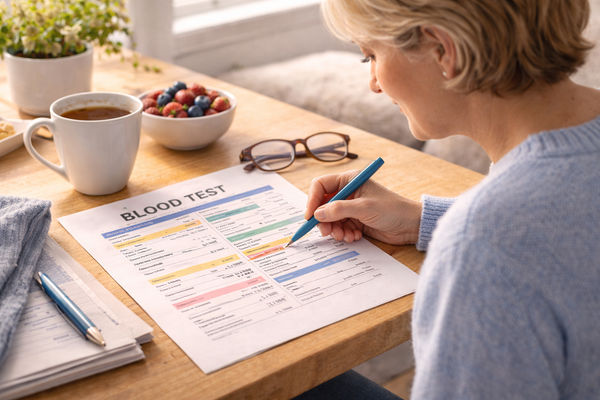
For adults, heart disease is a significant concern, and diabetes greatly increases that risk. High blood sugar can damage blood vessels over time. Managing both blood sugar and cholesterol is vital to maintaining a healthy heart and avoiding complications. Many people with diabetes also face rising healthcare costs, making preventative measures even more important.
Start with a Heart-Healthy Foundation
A heart-healthy diet and diabetes-friendly eating patterns go hand-in-hand. The American Heart Association recommends a diet rich in fruits, vegetables, whole grains, and lean protein. These foods help manage blood sugar, lower cholesterol, and support overall health.
7 Tips for a Diabetes-Friendly Valentine's Dinner
1. Choose Lean Protein
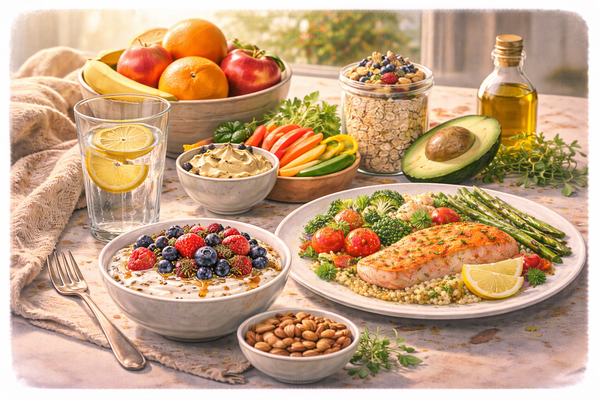
Protein helps you feel full and doesn't raise blood sugar as quickly as carbohydrates. Consider options like grilled salmon, baked chicken breast, or lean steak. These provide essential nutrients without the unhealthy fats found in processed meats.
2. Load Up on Non-Starchy Vegetables
Non-starchy vegetables are low in calories and carbohydrates, but packed with fiber. They can help you feel satisfied and support healthy blood sugar levels. Broccoli, spinach, asparagus, and bell peppers are excellent choices. Aim to fill half your plate with these colorful veggies! Reading Nutrition Labels
3. Swap Refined Carbs for Whole Grains
Refined carbohydrates like white bread and pasta can cause rapid blood sugar spikes. Instead, opt for whole grains such as quinoa, brown rice, or whole-wheat pasta. These provide more fiber, slowing down digestion and stabilizing blood sugar.
4. Get Creative with Cauliflower
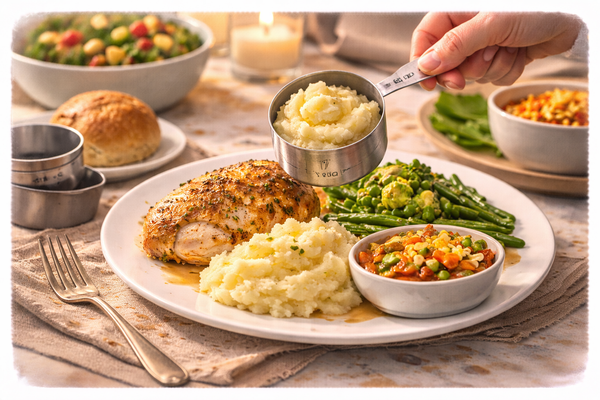
Cauliflower is a versatile vegetable that can be used as a low-carb substitute for many foods. Try cauliflower rice, mashed cauliflower, or even cauliflower pizza crust. It adds bulk and nutrients to your meal without the sugar impact.
5. Watch Out for Hidden Sugars
Many sauces, dressings, and marinades contain added sugars. Read labels carefully and choose options with minimal added sugar. You might consider making your own sauces using herbs, spices, and a small amount of olive oil.
6. Rethink Dessert
Dessert doesn't have to be off-limits! Instead of a sugary cake or pie, consider a small portion of dark chocolate (70% cacao or higher). Dark chocolate contains antioxidants and has a lower glycemic index than milk chocolate. Fresh berries with a dollop of unsweetened Greek yogurt are another satisfying option. Glycemic Index vs Glycemic Load Explained
7. Control Your Portions
Even healthy foods can raise blood sugar if eaten in large quantities. Use smaller plates and be mindful of your portion sizes. Slow down and savor each bite. Many people find it helpful to measure their food, especially when starting out.
Try This Today:
Swap white rice for brown rice or quinoa at your next meal!
Debunking Common Myths
Myth: People with diabetes can't enjoy Valentine’s Day treats. Truth: You can enjoy treats in moderation, making smart swaps and focusing on portion control.
Myth: A heart-healthy diet is bland and boring. Truth: Using herbs, spices, and flavorful cooking methods can create delicious and satisfying meals.
Myth: You need to completely avoid all carbohydrates. Truth: Carbohydrates are a source of energy, but focusing on complex carbohydrates and limiting refined carbs is key. Added Sugar vs Natural Sugar
Definitions
- Glycemic Index (GI): A measure of how quickly a food raises blood sugar levels.
- Prediabetes: Blood sugar levels are higher than normal, but not yet high enough to be diagnosed as diabetes.
- Non-Starchy Vegetables: Vegetables like broccoli, spinach, and peppers that are low in carbohydrates.
- Added Sugar: Sugars that are added to foods during processing or preparation.
Want This Made Simple?
Taking a photo of your meal with Sweet Not Sugar instantly reveals added vs. natural sugar, plus offers glycemic insight. It's like having a nutrition expert in your pocket! Join the Waitlist
Common Mistakes
- Overestimating "healthy" portions.
- Forgetting about hidden sugars in sauces and drinks.
- Skipping meals, which can lead to overeating later.
- Choosing processed "sugar-free" products over whole foods.
- Not pairing carbs with protein and healthy fats.
A 7-Day Mini Plan for Heart-Healthy Eating
- Day 1: Swap white bread for whole-wheat bread.
- Day 2: Add a side of steamed broccoli to your dinner.
- Day 3: Choose grilled chicken instead of fried chicken.
- Day 4: Read the nutrition label on your favorite sauce.
- Day 5: Have a small piece of dark chocolate after dinner.
- Day 6: Plan a Valentine's dinner menu focused on lean protein and veggies.
- Day 7: Enjoy your heart-healthy Valentine’s Day dinner!
Realistic Swaps for Valentine's Day
- Instead of creamy Alfredo sauce, try a tomato-based sauce.
- Instead of mashed potatoes, try mashed cauliflower.
- Instead of a sugary cocktail, try sparkling water with lemon.
- Instead of a large slice of cake, try a few strawberries with yogurt.
- Instead of white pasta, try whole-wheat pasta.
- Instead of a chocolate milkshake, try a small scoop of dark chocolate ice cream.
- Instead of French fries, try roasted sweet potato fries.
- Instead of regular soda, try unsweetened iced tea.
Try This Today:
Read the nutrition label of your favorite Valentine’s Day treat!
Next Step
Managing diabetes or prediabetes can feel overwhelming, but you’re taking great steps towards better health. If you'd like extra support, Sweet Not Sugar can help you easily understand the sugar content of your meals. Get the App
FAQ
Can I still eat chocolate with diabetes?
Yes, you can enjoy chocolate in moderation. Choose dark chocolate with a high cacao content (70% or higher) as it has less sugar and more antioxidants. Keep the portion size small.
Are fruits okay to eat with diabetes?
Yes, fruits are okay, but portion control is important. Choose fruits lower in sugar, like berries, apples, and pears. Pair them with a source of protein or healthy fat.
Is it possible to have a romantic dinner without sacrificing my health?
Absolutely! By making smart food choices, controlling portion sizes, and focusing on healthy cooking methods, you can have a delicious and romantic Valentine's Day dinner that supports your health goals.
What is the best type of fat to cook with for diabetes?
Monounsaturated and polyunsaturated fats are the best choices. Olive oil, avocado oil, and nuts are excellent sources. Limit saturated and trans fats.
How important is fiber in a diabetes-friendly diet?
Fiber is very important. It helps slow down the absorption of sugar, promotes fullness, and supports healthy digestion. Aim for at least 25-30 grams of fiber per day.
Key Takeaways
- Prioritize lean proteins & non-starchy veggies for a balanced meal.
- Swap refined carbs for whole grains to stabilize blood sugar levels.
- Be mindful of hidden sugars in sauces, dressings, and beverages.
- Portion control is crucial, even with healthy food choices.
- A little dark chocolate can be a satisfying, diabetes-friendly treat.
Safety Notes
If you use insulin or a sulfonylurea, watch for low blood sugar. Check with your clinician before making major changes to your diet or exercise routine.
When to Talk to Your Doctor
Contact your doctor if you experience persistent high blood sugar, unexplained weight loss, increased thirst, or frequent urination.
Sources
- American Diabetes Association (ADA): Supports the importance of dietary patterns for managing blood glucose.
- Centers for Disease Control and Prevention (CDC): Provides statistics and information on diabetes prevalence in the US.
- American Heart Association (AHA): Recommends a heart-healthy diet focused on fruits, vegetables, and whole grains.
- National Institute of Diabetes and Digestive and Kidney Diseases (NIDDK): Offers comprehensive information about prediabetes and type 2 diabetes.
- Mayo Clinic: Provides reliable information on managing diabetes through diet and lifestyle.
Related Articles
- 8 Diabetes-Friendly Breakfast Ideas for Sustained Energy
- How to Create a Diabetes-Friendly Meal Plan You’ll Actually Stick To
- The Ultimate Guide to Reading Food Labels for Diabetes
Disclaimer
This blog post provides general information about diabetes and healthy eating. It is not intended as medical advice. Always consult with your healthcare provider before making any changes to your diet or treatment plan.