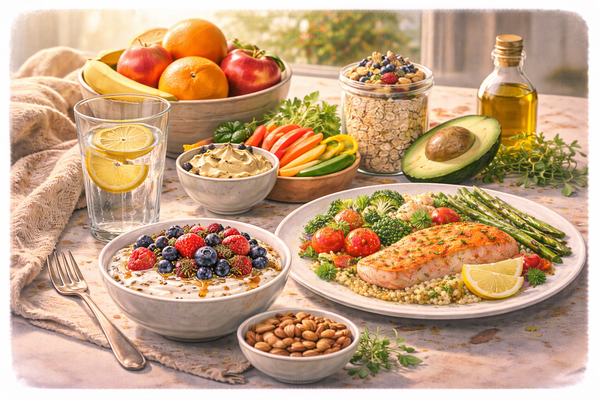
7 Easy Ways to Diabetes-Proof Your Comfort Food This Winter


Worried about holiday meals and blood sugar? Learn how to enjoy your favorite winter comfort foods without the guilt or the spikes. Simple swaps and tips await!
7 Easy Ways to Diabetes-Proof Your Comfort Food This Winter
Winter and comfort food go hand-in-hand. But if you’re managing type 2 diabetes or prediabetes, enjoying those cozy meals can sometimes feel… complicated. It’s tough when traditions feel off-limits! You're likely facing pressure from family, colder weather cravings and a desire to simply enjoy the season. This post will show you how to adapt your go-to recipes without sacrificing the flavors you love.
It's not about deprivation, but about making smarter choices. You can have a delicious winter without constant blood sugar worries. We’ll focus on practical, easy-to-implement swaps that fit into your life.
Quick AnswerFocus on Fiber: Add more non-starchy vegetables to bulk up meals and slow sugar absorption.Swap Smartly: Replace refined grains with whole grains, and sugary ingredients with natural sweeteners in moderation.Portion Control: Be mindful of serving sizes. Using smaller plates can help!
Why This Matters
Uncontrolled blood sugar can lead to nerve damage, heart problems, and vision loss. Managing your diet is a key part of protecting your health and staying active. Many people with diabetes also experience increased healthcare costs, so finding affordable and effective ways to eat well is vital.
Rethinking Classic Winter Recipes
Let's be real: completely overhauling your family's recipes might not happen overnight. Small, consistent changes are much more sustainable. Here’s how to approach transforming those winter favorites.
1. Soup-ercharge with Veggies
Creamy soups are a winter staple. But they can be packed with hidden sugars and fats. Instead of relying heavily on cream, blend in cooked cauliflower, butternut squash, or pureed carrots. These add thickness and nutrients without spiking your blood sugar. A study by the NIH shows that increasing vegetable intake can improve blood glucose control.
Try This Today
Add one extra cup of chopped non-starchy vegetables (broccoli, spinach, kale) to your next soup recipe.
2. Mashed Potatoes: A Fiber Boost
Mashed potatoes don't have to be off-limits. Keep the skin on for added fiber! Also, consider mixing in some cooked, mashed cauliflower. It adds creaminess and lowers the overall carbohydrate content. Reading Nutrition Labels can help you compare different potato varieties.
3. Gravy Gets a Makeover
Traditional gravy is often loaded with fat and sugar. Try using a broth-based gravy thickened with a cornstarch slurry. This reduces the fat content significantly. Season with herbs and spices instead of salt and sugar to enhance flavor.
4. Sweeten Naturally (and Sparingly)
Many winter desserts and drinks call for a lot of sugar. Explore natural alternatives like cinnamon, nutmeg, or a small amount of stevia or erythritol. Remember, even natural sweeteners should be used in moderation. The ADA recommends limiting added sugars as much as possible.
5. Casseroles: Lighten the Load
Casseroles are comforting, but they can be calorie-dense. Reduce the amount of cheese and creamy sauces. Increase the amount of non-starchy vegetables. Use whole-grain breadcrumbs or a sprinkle of chopped nuts for a satisfying crunch.
6. Holiday Roasts: Lean Protein is Key
When it comes to holiday roasts, choose lean cuts of meat. Trim off visible fat before cooking. Flavor the meat with herbs, spices, and citrus zest instead of sugary marinades. Glycemic Index vs Glycemic Load Explained will help you understand how different proteins affect blood sugar.
7. Smart Swaps in Baking
Baking is often a big part of winter celebrations. Swap all-purpose flour for whole-wheat flour or almond flour. Reduce the amount of sugar in recipes by 1/4 to 1/3. Use unsweetened applesauce or mashed banana to add moisture. The CDC reports that nearly 1 in 5 adults in the US have diabetes.
Common Myths About Diabetes & Food
Let’s address some common misconceptions that can make managing your diet harder.
- Myth 1: You can't eat any sugar. A small amount of sugar can fit into a healthy diet, especially when paired with fiber and protein.
- Myth 2: All carbs are bad. Complex carbohydrates (whole grains, vegetables, fruits) are different than simple carbs (sugary drinks, processed foods).
- Myth 3: “Diabetic” foods are always the best choice. These products are often expensive and may contain hidden ingredients that still affect blood sugar.
- Myth 4: You have to completely restrict your favorite foods. Moderation and mindful eating are key. Enjoying a small portion of a treat occasionally is okay.
- Myth 5: If you take medication, diet doesn’t matter. Diet and medication work best together. Healthy eating can often reduce your medication needs.
Definitions
- Glycemic Index (GI): A measure of how quickly a food raises blood sugar levels.
- Glycemic Load (GL): Considers both the GI and the amount of carbohydrate in a serving of food.
- Non-Starchy Vegetables: Vegetables low in carbohydrates, like broccoli, spinach, and lettuce.
- Added Sugars: Sugars that are added to foods during processing or preparation.
Want This Made Simple?
Taking a photo of your meal with Sweet Not Sugar instantly shows you the added vs. natural sugar and gives you glycemic insight. Stop guessing, start knowing! Join the Waitlist
A 7-Day Mini Plan for Smarter Eating
Here's a simple plan to get you started:
- Day 1: Swap white rice for brown rice.
- Day 2: Add a side salad to your lunch.
- Day 3: Reduce the sugar in your coffee or tea by 1/2 teaspoon.
- Day 4: Choose a lean protein source for dinner.
- Day 5: Add 1/2 cup of chopped vegetables to your favorite casserole.
- Day 6: Try a new recipe using whole-wheat flour.
- Day 7: Enjoy a small portion of your favorite treat mindfully.
Realistic Swaps for Common Winter Foods
| Instead of… | Try… |
|---|---|
| White Bread | Whole-Wheat Bread |
| Sugary Cereal | Oatmeal with Berries |
| Soda | Sparkling Water with Lemon |
| Candy | A Small Piece of Dark Chocolate |
| Regular Mashed Potatoes | Mashed Potatoes with Cauliflower |
| Creamy Soups | Broth-Based Soups with Vegetables |
| White Pasta | Whole-Wheat Pasta |
| Fruit Juice | Whole Fruit |
Grocery List for Diabetes-Friendly Winter Meals
- Brown Rice
- Whole-Wheat Bread
- Oatmeal
- Frozen Berries
- Broccoli
- Spinach
- Cauliflower
- Lean Ground Turkey
- Salmon
- Dark Chocolate (70% cacao or higher)
Next Step
Managing diabetes is a journey, and extra support can make it easier. Sweet Not Sugar can help you build sustainable habits, one meal at a time.
Join The Waitlist
FAQ
Can I still enjoy holiday desserts if I have diabetes?
Yes, you can! Just be mindful of portion sizes and choose desserts that are lower in sugar and fat. Consider pairing a small dessert with a protein source.
Is it okay to eat fruit if I have diabetes?
Yes, fruit is a healthy part of a diabetes-friendly diet. However, it's important to choose fruits with a lower glycemic index and to eat them in moderation.
How can I prevent blood sugar spikes after meals?
Pair your carbohydrates with protein and healthy fats. This will slow down the absorption of sugar into your bloodstream.
What are some good snacks for people with diabetes?
Good snack choices include nuts, seeds, Greek yogurt, and vegetables with hummus.
Does cooking at home make a difference?
Absolutely! Cooking at home gives you control over the ingredients and portion sizes.
How often should I check my blood sugar?
Your doctor will advise you on how often to check your blood sugar based on your individual needs.
Key Takeaways
- Small changes to recipes make a big difference.
- Fiber is your friend for blood sugar control.
- Natural sweeteners are okay in moderation.
- Portion control prevents unwanted blood sugar spikes.
- Enjoying your favorite foods mindfully is possible.
Safety Notes
If you use insulin or a sulfonylurea, watch for low blood sugar. Check with your clinician before making major changes to your diet or medication.
When to Talk to Your Doctor
Contact your doctor if you experience frequent or severe blood sugar swings, or if you have any concerns about your diabetes management.
Sources
- American Diabetes Association (ADA): Provides guidelines on nutrition therapy for diabetes.
- Centers for Disease Control and Prevention (CDC): Offers statistics and information on diabetes prevalence and prevention.
- National Institutes of Health (NIH): Supports research on diabetes and related health conditions.
- Mayo Clinic: Offers reliable information on diabetes management and healthy eating.
Related Articles
- 5 Simple Exercises To Help Blood Sugar Control
- How To Understand Added Sugar vs Natural Sugar
- Coffee & Tea For Diabetes
Disclaimer
This information is intended for general knowledge and informational purposes only, and does not constitute medical advice. It is essential to consult with a qualified healthcare professional for any health concerns or before making any decisions related to your health or treatment.