7 Diabetes-Friendly Winter Superfoods (Beyond Salad!)

Struggling to find tasty, blood sugar-friendly foods this winter? Discover 7 surprising superfoods – not just leafy greens – to boost your immunity and feel your best, even with type 2 diabetes or prediabetes.
Winter can be a tough time for managing blood sugar. It’s easy to crave comfort foods and colder weather often means less activity. Plus, seasonal fruits and vegetables can feel limited. Many people find it harder to stay on track with healthy habits when the days are short and the treats are plentiful. But you can enjoy delicious, nourishing foods that support your health all winter long.
This article will show you 7 fantastic superfoods to incorporate into your diet, going beyond the usual salad suggestions. We’ll focus on options that are easy to find, prepare and will help you stay energized and manage your blood sugar levels. These foods are beneficial for people with type 2 diabetes, prediabetes, or anyone wanting to cut back on sugar.
Quick AnswerFocus on fiber and healthy fats: These help slow down sugar absorption and keep you feeling full.Don’t fear winter produce: Root vegetables, citrus fruits, and cruciferous vegetables are nutritional powerhouses.Small changes add up: Adding just one of these superfoods to your daily routine can make a difference.
Why This Matters
Uncontrolled blood sugar can lead to serious health problems like heart disease, nerve damage and vision loss. Managing diabetes, especially as we age, requires consistent effort and knowing which foods work with your body, not against it. The cost of diabetes care can be significant, and proactively managing your health through diet can reduce potential healthcare expenses.
1. Citrus Fruits: Vitamin C & Fiber Power
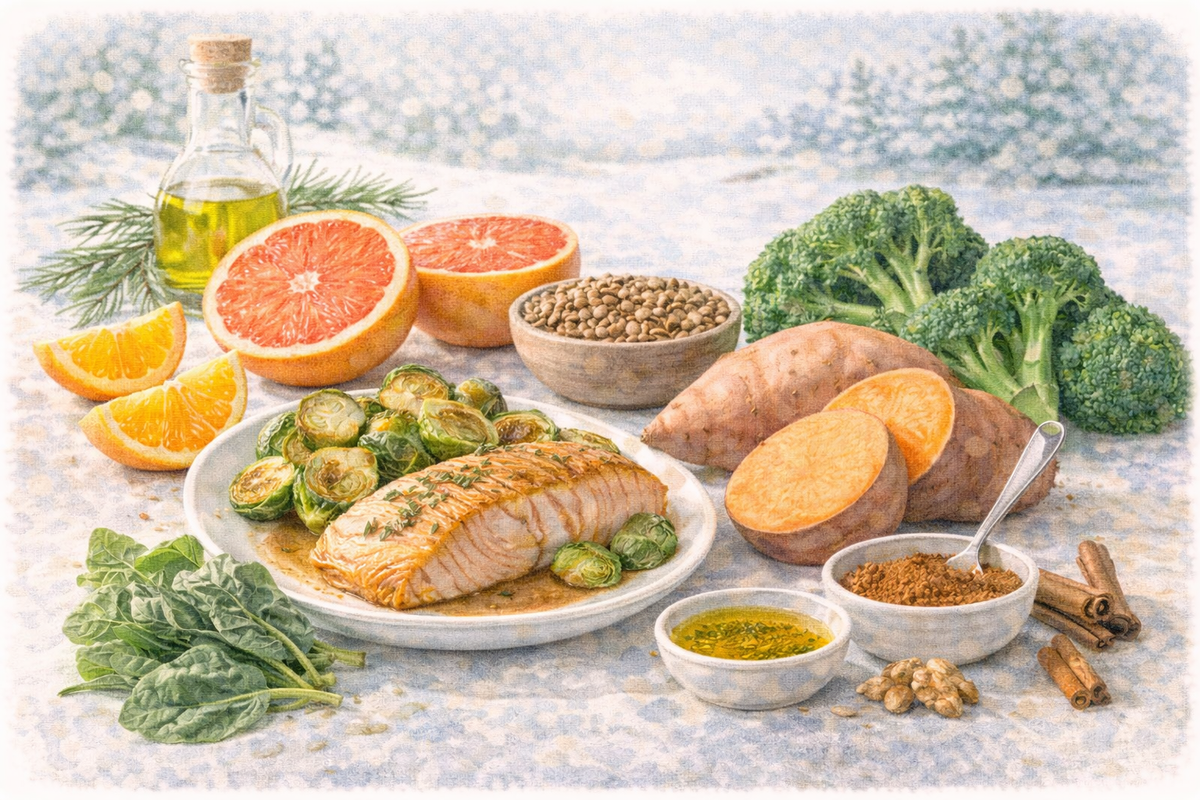
Oranges, grapefruits, lemons and limes are bursting with Vitamin C, which is crucial for immune function during the winter months. They also contain fiber, especially when you eat the segments rather than just drinking the juice. Fiber helps slow down the absorption of sugar, preventing spikes in blood glucose.
Tip: Add grapefruit segments to your breakfast or squeeze fresh lemon juice into your water for a refreshing and healthy boost.
2. Brussels Sprouts: A Cruciferous Champion
Don’t let their reputation fool you! Brussels sprouts are packed with nutrients, including fiber, Vitamin K and antioxidants. They also have a relatively low glycemic index (GI) – a measure of how quickly a food raises blood sugar. Research suggests that diets rich in cruciferous vegetables like Brussels sprouts may reduce the risk of type 2 diabetes.
Try This Today: Roast Brussels sprouts with a drizzle of olive oil and a sprinkle of balsamic vinegar.
3. Sweet Potatoes: A Complex Carb Delight
Unlike white potatoes, sweet potatoes have a lower GI and are rich in Vitamin A and fiber. They offer a naturally sweet flavor without the need for added sugar. Choosing complex carbohydrates like sweet potatoes over simple carbs is a key strategy for blood sugar control.
Myth Buster: Sweet potatoes are often avoided because of their name, but they are a better choice than white potatoes for people with diabetes!
4. Salmon: Healthy Fats for Insulin Sensitivity
Fatty fish like salmon are excellent sources of omega-3 fatty acids. These fats are beneficial for heart health and may improve insulin sensitivity, meaning your body uses insulin more effectively. Maintaining healthy insulin sensitivity is crucial for managing blood sugar.
Cooking Tip: Bake or grill salmon instead of frying it to maximize its health benefits.
5. Beans & Lentils: Plant-Based Protein & Fiber
Beans and lentils are nutritional powerhouses, offering a great combination of plant-based protein and fiber. They have a low GI and can help you feel full and satisfied, reducing cravings for less healthy foods. The American Diabetes Association recommends incorporating legumes into a diabetes-friendly eating plan.
Best Snacks for Steady Blood Sugar
6. Broccoli: Fiber, Vitamins, and More
Another member of the cruciferous family, broccoli is loaded with fiber, vitamins, and antioxidants. It's a versatile vegetable that can be steamed, roasted, or added to soups and stir-fries. Broccoli’s fiber content can help stabilize blood sugar levels.
Serving Suggestion: Steam broccoli and top with a sprinkle of nutritional yeast for a cheesy flavor without the added fat.
7. Cinnamon: A Spice with Potential Benefits
While not a food on its own, cinnamon can be a helpful addition to your diet. Some studies suggest that cinnamon may help improve insulin sensitivity and lower blood sugar levels. Evidence is mixed, but many people find that adding cinnamon to their meals or beverages can be a beneficial practice.
How to Use: Sprinkle cinnamon on your oatmeal, yogurt, or add it to your coffee or tea.
Definitions
- Glycemic Index (GI): A rating of foods based on how quickly they raise blood glucose levels. Lower GI foods are generally preferred.
- Insulin Sensitivity: How well your body responds to insulin, allowing glucose to enter cells for energy.
- Fiber: A type of carbohydrate that the body cannot digest, contributing to fullness and slowing sugar absorption.
- Omega-3 Fatty Acids: Healthy fats found in fatty fish, linked to improved heart health and insulin sensitivity.
Want This Made Simple?
Stop guessing about added sugar! Take a photo of your meals with Sweet Not Sugar and instantly see the breakdown of added vs. natural sugars, along with valuable glycemic insight.
Join the Waitlist
Common Mistakes
- Skipping meals: This can lead to blood sugar swings and overeating later.
- Drinking sugary beverages: Soda, juice, and sweetened tea can quickly raise blood sugar.
- Overcooking vegetables: This can reduce their nutrient content.
- Focusing only on carbs: Protein and fats are also important for blood sugar control.
- Ignoring portion sizes: Even healthy foods can impact blood sugar if eaten in large quantities.
Realistic Swaps
| Instead of… | Try… |
|---|---|
| White rice | Quinoa |
| Sugary cereal | Oatmeal with berries and cinnamon |
| Fruit juice | Whole fruit |
| Sweetened yogurt | Plain Greek yogurt with a touch of fruit |
| Potato chips | A handful of almonds |
| Candy | Dark chocolate (70% cacao or higher) |
| Soda | Sparkling water with lemon |
| White bread | Whole-wheat bread |
7-Day Winter Superfood Plan
Day 1: Add cinnamon to your morning coffee.
Day 2: Enjoy a salmon dinner.
Day 3: Have a side of Brussels sprouts with your lunch.
Day 4: Choose a sweet potato instead of a white potato.
Day 5: Include a serving of lentils in your soup.
Day 6: Snack on a grapefruit.
Day 7: Make a broccoli and cheese (low-fat) casserole.
Grocery List
- Oranges
- Grapefruit
- Brussels sprouts
- Sweet potatoes
- Salmon fillets
- Lentils
- Broccoli
- Cinnamon
Next Step
Managing diabetes is a journey, and small changes can make a big difference. If you're looking for extra support to track your sugar intake and make informed food choices, Sweet Not Sugar might be a good fit for you. Get the App
FAQ
Can I still enjoy sweets with diabetes?
Yes, but moderation is key. Choose naturally sweetened options or smaller portions of your favorite treats. Focus on balancing sweet treats with fiber and protein.
Is it okay to eat fruit if I have diabetes?
Yes! Fruit contains natural sugars, but it also provides essential vitamins, minerals, and fiber. Choose fruits with a lower GI, like berries and apples, and eat them in moderation.
How important is it to read nutrition labels?
Reading nutrition labels is extremely important. Pay attention to the serving size, total carbohydrates, sugar content, and fiber. Reading Nutrition Labels
Are frozen vegetables as nutritious as fresh?
Yes, frozen vegetables can be just as nutritious as fresh. They are often frozen at peak ripeness, preserving their nutrient content.
How much fiber should I aim for each day?
The recommended daily fiber intake for adults is 25-30 grams. Aim to include fiber-rich foods in every meal.
Key Takeaways
- Winter superfoods boost immunity and control blood sugar.
- Fiber and healthy fats are essential for diabetes management.
- Sweet potatoes are a better choice than white potatoes.
- Salmon provides beneficial omega-3 fatty acids.
- Small, consistent changes lead to long-term success.
Safety Notes
If you use insulin or a sulfonylurea, watch for low blood sugar. Check with your clinician before making major changes to your diet or medication.
When to Talk to Your Doctor
Contact your doctor if you experience frequent or severe blood sugar swings, unexplained weight loss, or any new or worsening symptoms.
Sources
- American Diabetes Association (ADA): Provides comprehensive information on diabetes management and nutrition.
- Centers for Disease Control and Prevention (CDC): Offers statistics and resources on diabetes prevention and control.
- National Institutes of Health (NIH): Conducts research on diabetes and related health conditions.
- Mayo Clinic: Provides reliable information on a wide range of health topics, including diabetes.
- Harvard School of Public Health: Offers detailed resources on the Glycemic Index and Glycemic Load.
- National Library of Medicine: Database of peer-reviewed medical research.
Related Articles
- Coffee & Tea Smart Choices
- 5 Smart Fruit Choices For Managing Type 2 Diabetes
- 7 Meal Prep Strategies For Managing Type 2 Diabetes
Disclaimer
This information is intended for general knowledge and informational purposes only, and does not constitute medical advice. It is essential to consult with a qualified healthcare professional for any health concerns or before making any decisions related to your health or treatment.