7 Diabetes-Friendly Gardening Tips to Grow Heart-Healthy Produce

Discover 7 easy gardening tips for adults with diabetes or prediabetes. Grow your own heart-healthy produce, even in small spaces, this spring. Boost your well-being!
Starting a new hobby can feel daunting, especially when you're managing type 2 diabetes or prediabetes. You might wonder if gardening is really worth the effort or if you even have enough space. We get it - life already has its challenges.
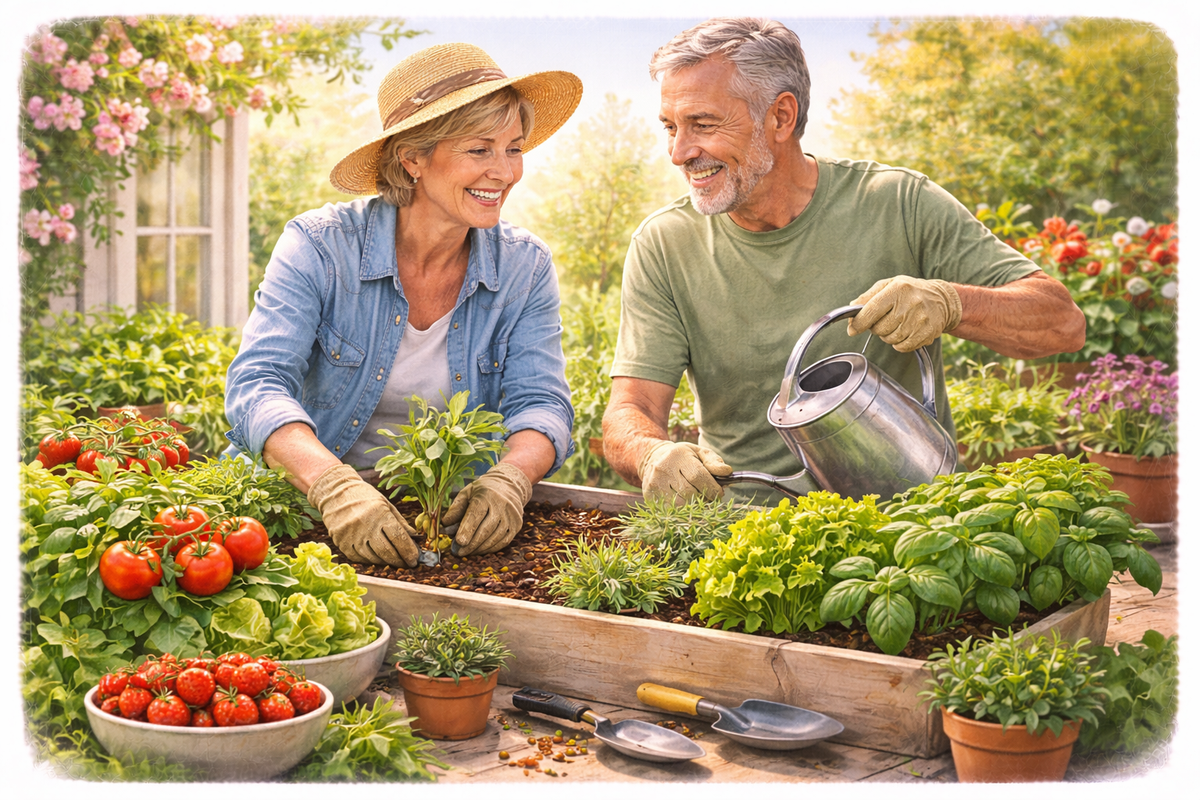
But imagine stepping outside and picking fresh, tasty vegetables right from your own home. Gardening can be a wonderful, low-impact way to stay active, reduce stress, and enjoy nutrient-rich foods that support your blood sugar and heart health. This guide will show you how to get started, even if you have a small balcony or just a few pots.
Quick AnswerStart Small: Begin with a few easy-to-grow plants in pots or a small raised bed.Choose Smart Foods: Focus on non-starchy vegetables and berries that are low in sugar.Stay Safe: Always protect your skin from the sun and stay hydrated while gardening.
Why This Matters
Managing type 2 diabetes means making mindful choices about what you eat. Heart disease is a common concern for adults with diabetes, making heart-healthy food even more important. Growing your own food gives you control over your plate, reduces grocery bills, and adds joyful activity to your day, which can also help manage stress.
1. Choose the Right Plants: Focus on Non-Starchy Veggies and Berries
When you have diabetes, choosing the right foods is key. Luckily, many delicious plants are perfectly suited for your garden. Focusing on non-starchy vegetables and certain fruits can help keep your blood sugar levels steady.
Consider what you enjoy eating and what will thrive in your climate. These choices are excellent for supporting both blood sugar and heart health.
- Leafy Greens: Spinach, kale, Swiss chard, and lettuce are packed with nutrients and fiber. They grow well in many conditions and can be harvested often.
- Colorful Vegetables: Tomatoes, bell peppers, zucchini, green beans, and cucumbers are low in carbohydrates and versatile for cooking. They add vibrant colors and flavors to your meals.
- Herbs: Basil, parsley, mint, chives, and rosemary are easy to grow, often in pots. They add flavor to dishes without extra salt or sugar, which is great for heart health.
- Berries: While fruits have natural sugars, berries like strawberries, blueberries, and raspberries are lower in sugar compared to other fruits and high in antioxidants. A small patch can yield sweet treats.
Try This Today
Research 3 non-starchy vegetables you enjoy eating and what they need to grow. Could you grow them in a pot?
2. Start Small: Containers, Raised Beds, or a Compact Plot
Don't feel like you need a huge backyard to start gardening. Many diabetes-friendly plants grow wonderfully in smaller spaces. Starting small helps prevent feeling overwhelmed and builds your confidence.
Container Gardening:
- Perfect for Patios: Use pots, grow bags, or even repurposed containers on balconies or small patios. Many vegetables, like tomatoes, peppers, herbs, and most leafy greens, do well in containers.
- Choose the Right Size: Ensure containers are large enough for the mature plant. A tomato plant, for example, needs a significantly larger pot than a single herb.
- Good Drainage: Make sure any container you use has drainage holes to prevent root rot.
Raised Beds:
- Easier on Your Back: Raised beds bring the garden up to a more comfortable height, reducing bending and kneeling, which is a big plus for many adults over 50. [Internal link: 5 Simple Exercises To Control Blood Sugar
- Better Soil Control: You can fill raised beds with high-quality soil specifically tailored for vegetables, ensuring good drainage and nutrients.
- Pest Protection: Raised beds can sometimes offer a bit more protection from ground pests.
3. Soil and Sunlight: The Foundation of a Healthy Harvest
Just like we need good food to thrive, plants need the right environment. Healthy soil and enough sunlight are crucial for a successful garden that yields nutritious produce.
- Sunlight: Most vegetables need at least 6-8 hours of direct sunlight each day. Observe your space throughout the day to find the sunniest spots. If you have less sun, consider plants that tolerate partial shade, like leafy greens.
- Soil Quality: Good soil is the backbone of your garden. For containers and raised beds, use a high-quality potting mix specifically designed for vegetables. If planting directly into the ground, consider amending your soil with compost to improve its texture and nutrient content. Healthy soil leads to healthy plants, which means more nutritious food for you.
4. Smart Watering: Regularity is Key
Consistent watering is vital for plant health, especially when growing in containers. Proper hydration helps plants absorb nutrients and produce good yields. Overwatering or underwatering can stress plants, leading to poor growth or even plant death.
- Check Soil Moisture: Don't just water on a schedule. Stick your finger about an inch into the soil. If it feels dry, it's time to water. This is especially important as consistent watering helps plants develop optimally.
- Water Deeply: Water until you see it come out of the drainage holes of your pots. This encourages roots to grow deeper, making plants more resilient.
- Morning is Best: Watering in the morning allows plants to absorb water before the heat of the day, reducing water loss through evaporation and lowering the risk of fungal diseases.
Want This Made Simple?
Wondering if your homegrown tomato is better than a store-bought one for your blood sugar? Take a photo of your meal. The Sweet Not Sugar app analyzes added vs natural sugar and provides glycemic insight to help you make smarter food choices.
Try Sweet Not Sugar
5. Gentle Pest Control: Keep Your Garden (and You) Healthy
While finding a bug on your plant can be frustrating, harsh chemical pesticides can be harmful to both your produce and potentially your health. Many people are mindful of chemicals they expose themselves to.
- Inspect Regularly: Check your plants often for signs of pests. Catching problems early makes them easier to manage.
- Natural Remedies: Use insecticidal soap or neem oil for common pests. You can also try companion planting, which means planting certain herbs or flowers (like marigolds) near your vegetables that naturally deter pests.
- Hand-Picking: For larger pests like tomato hornworms, simply pick them off and remove them from your garden.
6. Harvest Time: Enjoying Your Hard Work
One of the most rewarding parts of gardening is harvesting your produce. Knowing when and how to pick your vegetables ensures the best flavor and encourages more growth.
- Pick Often: Many vegetables, especially leafy greens and green beans, produce more when harvested frequently. This provides a continuous supply of fresh, low-sugar produce.
- Know When Ripe: Research the specific plants you're growing to understand their signs of ripeness. Tomatoes turn red, cucumbers should be firm, and lettuce leaves are ready when they reach a usable size.
- Gentle Harvest: Use clean pruners or scissors to avoid damaging the plant. This helps the plant continue to produce.
7. Stay Safe and Hydrated While Gardening
Gardening is a form of exercise and can be quite enjoyable, but it's important to protect yourself, especially if you have diabetes. Sun exposure and physical activity both require extra care.
- Protect Your Skin: Wear a wide-brimmed hat, long sleeves, and sunscreen, even on cloudy days. UV rays can be damaging and increase skin cancer risk.
- Stay Hydrated: Keep a water bottle handy and drink fluids regularly, especially when gardening in warmer weather. Dehydration can affect your blood sugar levels.
- Listen to Your Body: Take breaks when you need them. Don't push yourself too hard. Gardening should be a relaxing and enjoyable activity, not a chore. If you feel dizzy or overly tired, stop and rest.
Try This Today
Before heading out to garden, apply sunscreen and fill a water bottle. Park it next to your gardening spot as a reminder.
Definitions
- Non-Starchy Vegetables: Vegetables low in carbohydrates and rich in fiber, vitamins, and minerals, with minimal impact on blood sugar. Examples include broccoli, spinach, and bell peppers.
- Glycemic Insight: Information about how a particular food or meal might affect your blood sugar levels, helping you make informed dietary choices.
- Companion Planting: A gardening technique where different crops are planted near each other for mutual benefits, such as pest control or enhanced growth.
- Potting Mix: A specialized soil-less mixture or blend of materials used for growing plants in containers, formulated for good drainage and aeration.
Common Mistakes
- Starting Too Big: Trying to plant too much at once can lead to burnout and overwhelm.
- Ignoring Soil Quality: Poor soil means poor plants and poor harvests, no matter how good your intentions.
- Inconsistent Watering: Both too much and too little water can harm your plants.
- Forgetting Sunscreen/Hydration: Overlooking personal safety can lead to sunburn, dehydration, or heat exhaustion.
- Using Harsh Chemicals: Relying on strong pesticides can contaminate your homegrown food and harm beneficial insects.
Realistic Swaps for a Diabetes-Friendly Garden
- Instead of sugary drinks while gardening, try cucumber water with mint.
- Instead of high-starch potatoes, try sweet potatoes or carrots in a small patch.
- Instead of a large traditional garden bed, try several large fabric grow bags.
- Instead of store-bought dried herbs, try fresh-cut basil or parsley from your garden.
- Instead of high-sugar fruit juice, try fresh berries from your own bushes.
- Instead of conventional salad dressing, try lemon juice and olive oil with fresh garden greens.
- Instead of processed snacks, try fresh cherry tomatoes or cucumber slices from your harvest.
- Instead of feeling pressured, try enjoying the process and celebrating small wins.
Next Step
Ready to take the guesswork out of managing your blood sugar with food? Sweet Not Sugar can help. Get instant feedback on your meals by simply snapping a photo.
Get the App
FAQ Section
What are the easiest vegetables for beginners with diabetes to grow?
Many people start with leafy greens like spinach or lettuce, herbs such as basil and parsley, and popular choices like cherry tomatoes and green beans. These tend to be forgiving and produce a good harvest with basic care.
How does gardening help with diabetes management?
Gardening provides light physical activity, which can help improve insulin sensitivity and manage blood sugar. It also offers access to fresh, whole foods, which are essential for a diabetes-friendly diet. Plus, it's a great stress reliever.
Can I grow vegetables in small spaces like an apartment balcony?
Absolutely! Container gardening is perfect for small spaces. Many vegetables, including tomatoes, peppers, herbs, and most greens, thrive in pots or grow bags. Just ensure they get enough sunlight.
What types of soil should I use for diabetes-friendly produce?
For containers and raised beds, a high-quality organic potting mix is often best. It usually has good drainage and nutrients. If planting in the ground, improving your native soil with compost can greatly benefit your plants.
Are there any fruits that are good for a diabetes-friendly garden?
Yes, berries like strawberries, blueberries, and raspberries are excellent choices. They are lower in sugar than many other fruits and high in beneficial antioxidants. Enjoy them in moderation.
How much time does dedicated gardening require each week?
This varies greatly. Starting small might only take 15-30 minutes a few times a week for watering and quick checks. As your garden grows, you might spend a couple of hours weekly, but you can always adjust to your schedule and energy levels.
Do I need special tools to start a diabetes-friendly garden?
Not really. A trowel, gardening gloves, and a watering can are good starting points. For container gardening, you'll also need pots. As you get more involved, you might add hand pruners or a small shovel, but keep it simple to begin.
Key Takeaways
- Start small with containers or raised beds.
- Focus on non-starchy vegetables and berries.
- Prioritize good soil and ample sunlight.
- Water consistently; check soil moisture each time.
- Stay hydrated and protect your skin outdoors.
Safety Notes
If you use insulin or a sulfonylurea, always watch for signs of low blood sugar during or after physical activity like gardening. Check with your clinician before making any major changes to your diet or activity levels.
When to Talk to Your Doctor
If you experience unusual fatigue, persistent pain, dizziness, or notice any new or worsening symptoms while gardening, it's wise to talk to your doctor. They can offer personalized advice regarding physical activity and diabetes management.
Sources
- American Diabetes Association (ADA): Supports the benefits of physical activity and healthy eating for diabetes management.
- Centers for Disease Control and Prevention (CDC): Provides guidelines on sun safety and hydration, especially for older adults.
- Mayo Clinic: Offers advice on gardening for health and specific dietary recommendations for type 2 diabetes.
- National Institutes of Health (NIH): Features research on the nutritional benefits of various vegetables and fruits.
Related Articles
- 7 Simple Shopping Swaps for Lower Blood Sugar
- 5 Simple Morning Routines to Elevate Your Mood & Steady Blood Sugar
- How to Understand Added Sugar vs. Natural Sugar: A Diabetes Guide
Disclaimer
This information is for educational purposes only and not a substitute for professional medical advice. Always consult your healthcare provider before making any changes to your diet, exercise routine, or diabetes management plan.