7 Delicious Vegetable-Based Meals for Better Blood Sugar

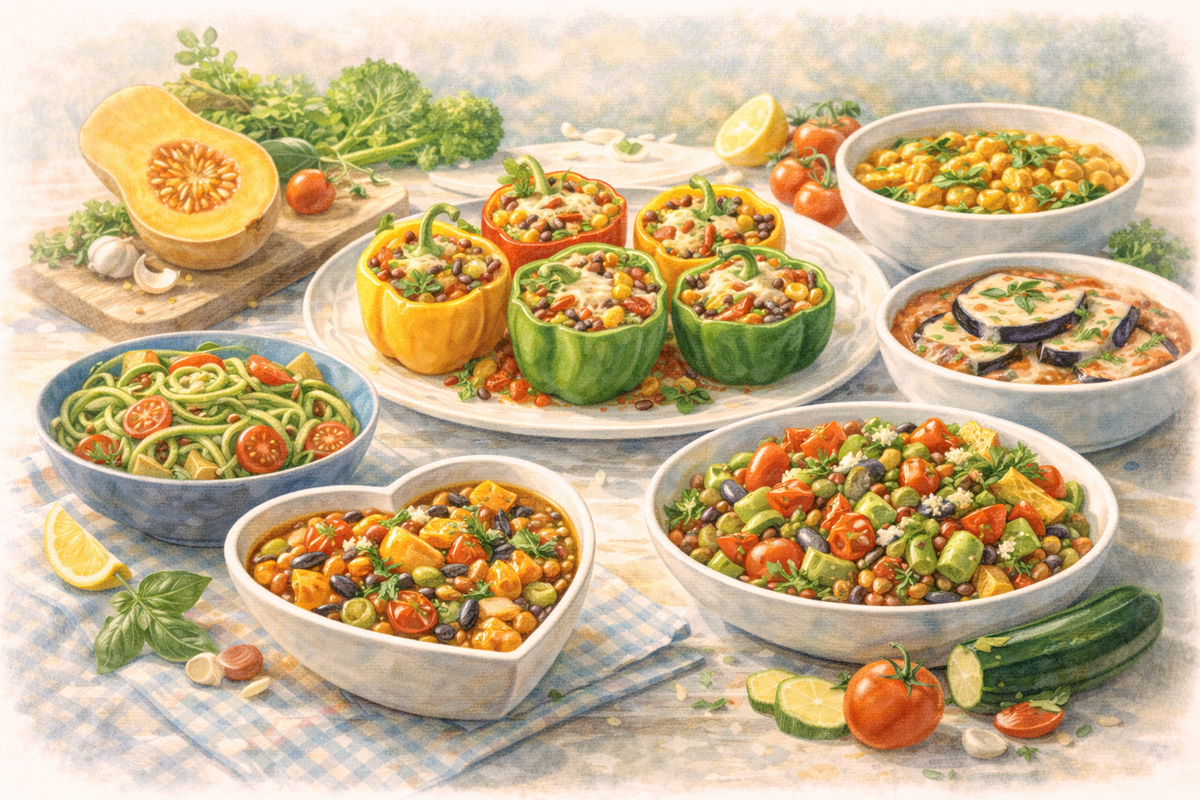
Discover 7 easy, flavorful vegetable-based meals to help manage blood sugar. Simple recipes, practical tips, and expert advice for healthier eating.
7 Delicious Vegetable-Based Meals for Better Blood Sugar
Managing blood sugar can feel overwhelming. You might worry about giving up your favorite foods or spending hours in the kitchen. But what if you could enjoy delicious meals that also support your health? Vegetable-based meals are a fantastic way to keep your blood sugar steady while enjoying flavorful, satisfying dishes.
In this article, you’ll discover 7 easy, vegetable-based meal ideas designed specifically for adults. These recipes are simple to prepare, packed with nutrients, and backed by expert advice. Plus, we’ll share practical tips to make healthy eating a breeze.
Why Vegetable-Based Meals Matter for Blood Sugar
Vegetables are packed with fiber, vitamins, and minerals that help regulate blood sugar. According to the American Diabetes Association (ADA), a diet rich in non-starchy vegetables can improve blood sugar control and reduce the risk of complications.
Key Benefits:
- Fiber: Slows digestion, preventing blood sugar spikes.
- Low Calories: Helps with weight management, which is crucial for blood sugar control.
- Nutrient-Dense: Provides essential vitamins and minerals without added sugars.
7 Easy Vegetable-Based Meals
1. Stuffed Bell Peppers with Quinoa and Black Beans
Ingredients:
- 4 large bell peppers (any color)
- 1 cup cooked quinoa
- 1 can black beans, drained and rinsed
- 1 cup diced tomatoes
- 1/2 cup corn kernels
- 1 tsp cumin
- 1 tsp chili powder
- 1/2 cup shredded cheese (optional)
Instructions:
- Preheat your oven to 375°F (190°C).
- Cut the tops off the bell peppers and remove the seeds.
- In a bowl, mix quinoa, black beans, tomatoes, corn, cumin, and chili powder.
- Stuff the peppers with the mixture and place them in a baking dish.
- Bake for 25-30 minutes. Add cheese on top if desired and bake for another 5 minutes.
Why It Works:
- High in fiber and protein, which helps stabilize blood sugar.
- Low in calories but filling, making it great for weight management.
2. Zucchini Noodles with Pesto and Cherry Tomatoes
Ingredients:
- 4 medium zucchinis, spiralized
- 1/2 cup pesto (store-bought or homemade)
- 1 cup cherry tomatoes, halved
- 1/4 cup pine nuts or walnuts
- Salt and pepper to taste
Instructions:
- Spiralize the zucchinis into noodles.
- In a large skillet, sauté the zucchini noodles for 2-3 minutes until just tender.
- Add pesto and cherry tomatoes, tossing gently to combine.
- Top with pine nuts or walnuts and season with salt and pepper.
Why It Works:
- Zucchini is low in carbohydrates and high in fiber.
- Healthy fats from pesto and nuts help slow digestion and prevent blood sugar spikes.
3. Cauliflower Fried Rice
Ingredients:
- 1 head cauliflower, grated or processed into rice-like pieces
- 2 eggs, beaten
- 1 cup mixed vegetables (peas, carrots, bell peppers)
- 2 tbsp soy sauce (or tamari for gluten-free)
- 1 tbsp sesame oil
- 2 cloves garlic, minced
- 1 tsp ginger, grated
Instructions:
- Heat sesame oil in a large skillet over medium heat.
- Add garlic and ginger, sautéing for 1 minute.
- Add mixed vegetables and cook for 3-4 minutes.
- Push the vegetables to one side of the skillet and pour the beaten eggs into the other side. Scramble the eggs until cooked.
- Add the cauliflower rice and soy sauce, stirring to combine. Cook for another 5-7 minutes.
Why It Works:
- Cauliflower is a low-carb alternative to rice, making it ideal for blood sugar control.
- Packed with vegetables and protein, this dish is both nutritious and satisfying.
4. Spinach and Chickpea Curry
Ingredients:
- 2 cans chickpeas, drained and rinsed
- 4 cups fresh spinach
- 1 can coconut milk
- 1 onion, diced
- 2 cloves garlic, minced
- 1 tbsp curry powder
- 1 tsp turmeric
- 1 tbsp olive oil
Instructions:
- Heat olive oil in a large pot over medium heat.
- Add onion and garlic, sautéing until softened.
- Stir in curry powder and turmeric, cooking for 1 minute.
- Add chickpeas and coconut milk, bringing to a simmer.
- Stir in spinach and cook until wilted, about 3-5 minutes.
Why It Works:
- Chickpeas provide plant-based protein and fiber, which help regulate blood sugar.
- Spinach is rich in magnesium, a mineral that plays a key role in blood sugar control.
Want this made simple?
Small changes add up - especially when you can see what’s happening in your everyday meals.
Sweet Not Sugar helps you take a photo of your plate and understand where sugar may be sneaking in.
Next step: Join the Waitlist
5. Roasted Vegetable and Lentil Salad
Ingredients:
- 1 cup cooked lentils
- 1 cup cherry tomatoes, halved
- 1 cup cucumber, diced
- 1/2 cup red onion, thinly sliced
- 1/4 cup feta cheese (optional)
- 2 tbsp olive oil
- 1 tbsp balsamic vinegar
- Salt and pepper to taste
Instructions:
- Preheat your oven to 400°F (200°C).
- Toss cherry tomatoes and cucumber with olive oil, salt, and pepper. Roast for 15-20 minutes.
- In a large bowl, combine lentils, roasted vegetables, red onion, and feta cheese.
- Drizzle with balsamic vinegar and toss gently.
Why It Works:
- Lentils are high in fiber and protein, making them excellent for blood sugar management.
- Roasting vegetables enhances their natural sweetness without adding sugar.
6. Eggplant and Tomato Bake
Ingredients:
- 1 large eggplant, sliced
- 2 cups tomato sauce
- 1 cup mozzarella cheese, shredded
- 1/4 cup grated Parmesan cheese
- 1 tbsp olive oil
- 1 tsp dried oregano
- Salt and pepper to taste
Instructions:
- Preheat your oven to 375°F (190°C).
- Brush eggplant slices with olive oil and season with salt and pepper.
- Layer eggplant slices in a baking dish, top with tomato sauce, mozzarella, and Parmesan.
- Bake for 25-30 minutes, until the cheese is bubbly and golden.
Why It Works:
- Eggplant is low in carbohydrates and high in fiber.
- Tomato sauce provides lycopene, an antioxidant that supports heart health.
7. Butternut Squash and Black Bean Chili
Ingredients:
- 1 small butternut squash, peeled and diced
- 1 can black beans, drained and rinsed
- 1 can diced tomatoes
- 1 onion, diced
- 2 cloves garlic, minced
- 1 tbsp chili powder
- 1 tsp cumin
- 1 tsp paprika
- 2 cups vegetable broth
Instructions:
- In a large pot, sauté onion and garlic until softened.
- Add butternut squash, black beans, diced tomatoes, chili powder, cumin, paprika, and vegetable broth.
- Bring to a boil, then reduce heat and simmer for 25-30 minutes, until the squash is tender.
Why It Works:
- Butternut squash is rich in fiber and vitamins, making it a great choice for blood sugar control.
- Black beans add protein and fiber, helping to keep you full and satisfied.
Tips for Success
Plan Ahead
- Meal Prep: Spend a few hours on the weekend preparing vegetables and proteins. This makes it easier to assemble meals during the week.
- Batch Cooking: Make large batches of soups, stews, or casseroles and freeze portions for later.
Keep It Simple
- Use Frozen Vegetables: They’re just as nutritious as fresh and can save time.
- Pre-Cut Vegetables: Many grocery stores offer pre-cut vegetables, which can be a huge time-saver.
Stay Hydrated
- Drinking enough water is crucial for overall health and can help with blood sugar control. Aim for at least 8 cups of water a day.
Common Myths About Vegetable-Based Meals
Myth 1: Vegetable-Based Meals Are Boring
- Truth: Vegetables can be incredibly flavorful, especially when paired with herbs, spices, and healthy fats like olive oil or avocado.
Myth 2: You Need to Eat Meat for Protein
- Truth: Many plant-based foods, like lentils, chickpeas, and quinoa, are excellent sources of protein.
Myth 3: Vegetable-Based Meals Are Time-Consuming
- Truth: With a little planning and prep, vegetable-based meals can be quick and easy to make.
Frequently Asked Questions
Can I Eat Vegetables If I Have Diabetes?
Yes! Vegetables are an essential part of a diabetes-friendly diet. They are low in calories and carbohydrates but high in fiber, vitamins, and minerals. Focus on non-starchy vegetables like leafy greens, broccoli, and bell peppers.
How Can I Make Vegetable-Based Meals More Filling?
Add sources of protein and healthy fats to your meals. For example, include beans, lentils, nuts, seeds, or avocado. These ingredients help keep you full and satisfied.
Are There Any Vegetables I Should Avoid?
While most vegetables are great for blood sugar control, some starchy vegetables like potatoes and corn should be eaten in moderation. Always monitor your blood sugar levels to see how different foods affect you.
Can I Use Sweet Not Sugar to Track My Meals?
Absolutely! Tools like Sweet Not Sugar can help you track your meals, analyze added sugar vs. natural sugar, and provide glycemic insights. This can be especially helpful when trying new recipes or managing your blood sugar.
Key Takeaways
- Vegetables are your friends: They’re packed with fiber, vitamins, and minerals that help regulate blood sugar.
- Keep it simple: Use frozen or pre-cut vegetables to save time.
- Add protein and healthy fats: This makes meals more filling and satisfying.
- Plan ahead: Meal prep and batch cooking can make healthy eating easier.
- Stay hydrated: Drinking enough water is crucial for overall health.
Next step
If you’d like a little structure without tracking everything, Sweet Not Sugar helps you build steadier habits over time - one meal at a time.
Try it out: Join the Waitlist
When to Talk to Your Doctor
Always talk to your doctor or a registered dietitian before making significant changes to your diet. They can provide personalized advice based on your health needs and medications.
Final Thoughts
Eating more vegetable-based meals doesn’t have to be complicated or boring. With these 7 easy recipes, you can enjoy delicious, nutritious meals that support your blood sugar goals. Remember, small changes add up over time. Celebrate your progress and enjoy the journey to better health!
Medical Disclaimer
The information provided in this article is for educational purposes only and is not intended as medical advice. Always consult your healthcare provider before making any changes to your diet or lifestyle, especially if you have diabetes or other health conditions.