5 Simple & Satisfying Low-Sodium Meals for Diabetes Control

Managing diabetes and your heart health can feel overwhelming. Discover 5 easy, delicious, and low-sodium meal ideas that won't leave you feeling deprived and keep your blood sugar stable!
Managing Diabetes & Your Heart: It's About Flavor, Not Restriction
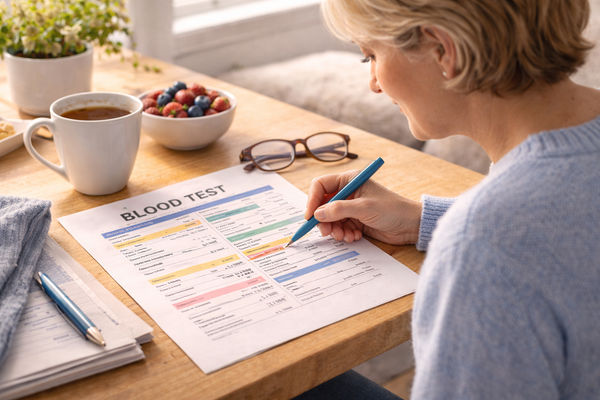
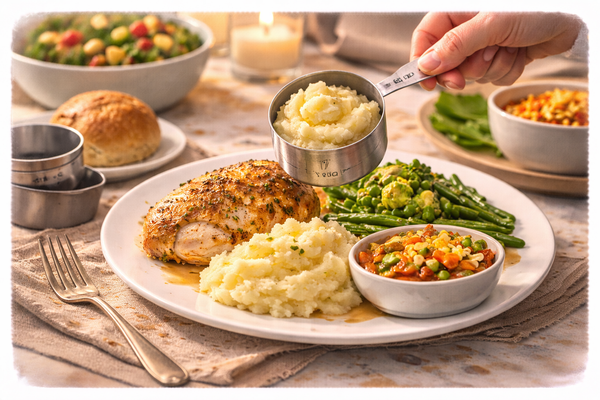
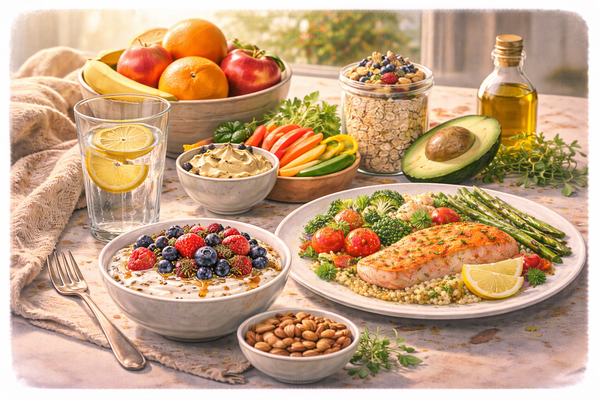
It’s understandable to feel frustrated when managing type 2 diabetes, especially when you’re also watching your sodium intake for heart health. Many people find they need to be mindful of both. Delicious food doesn’t have to be off-limits! You can enjoy flavorful meals that support both your blood sugar and heart health.
This article provides 5 simple and satisfying meal ideas that are low in sodium, good for diabetes management, and – most importantly – taste great. We'll focus on fresh ingredients and smart cooking techniques.
Quick AnswerFocus on Fresh: Build meals around vegetables, fruits, and lean proteins.Skip Processed Foods: These are often high in both sodium and added sugars.Flavor with Herbs & Spices: Don't be afraid to experiment with different seasonings!
Why This Matters
High blood sugar over time can damage your heart, kidneys, and nerves. High sodium can raise blood pressure, further stressing your heart. Managing both is essential for a long and healthy life, and can prevent costly medical interventions. Many Medicare plans cover diabetes self-management education, so be sure to check your benefits!
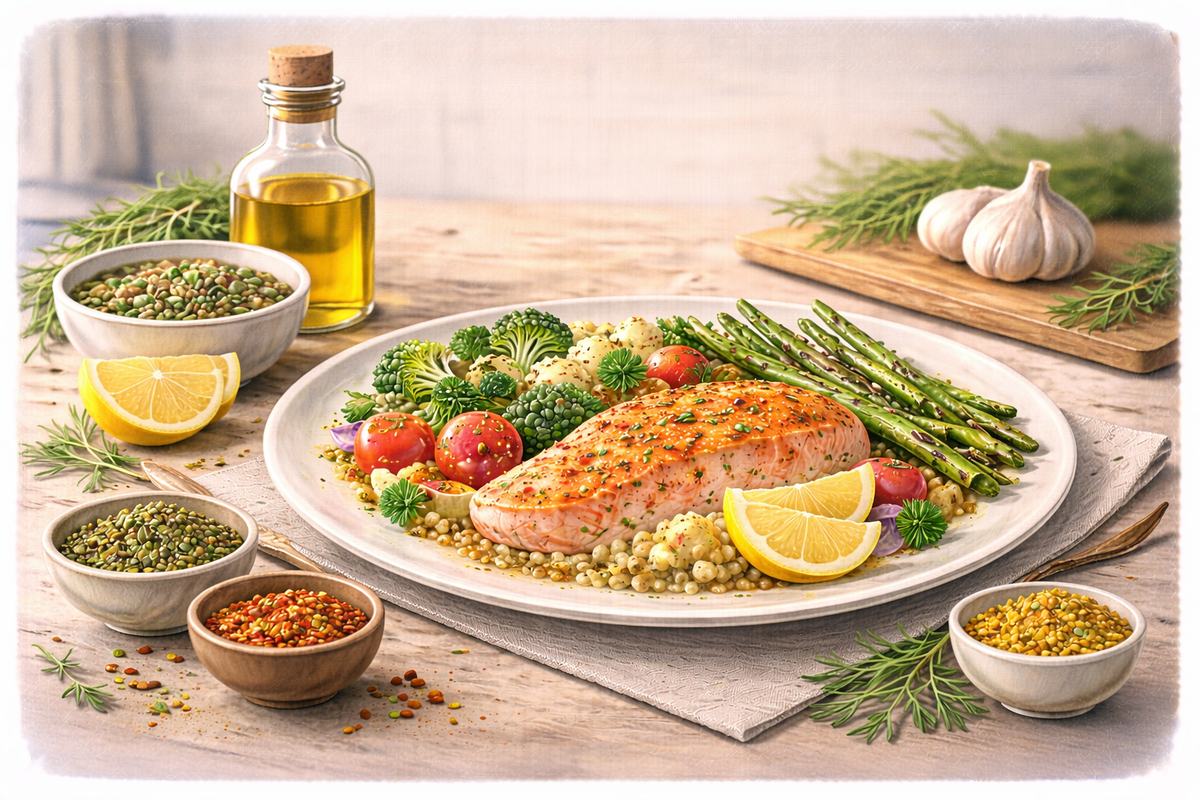
1. Lemon Herb Baked Salmon with Roasted Asparagus
Salmon is packed with heart-healthy omega-3 fatty acids. Roasting asparagus brings out its natural sweetness. This dish is naturally low in sodium and carbohydrates.
Ingredients:
- 4 oz salmon fillet
- 1 bunch asparagus, trimmed
- 1 tbsp olive oil
- 1 tbsp lemon juice
- 1 tsp dried herbs (dill, parsley, thyme)
- Black pepper to taste
Instructions:
- Preheat oven to 400°F (200°C).
- Toss asparagus with ½ tbsp olive oil and pepper. Spread on a baking sheet.
- Place salmon on a separate baking sheet. Drizzle with remaining olive oil, lemon juice, and herbs. Season with pepper.
- Bake for 12-15 minutes, or until salmon is cooked through and asparagus is tender-crisp.
2. Chicken & Vegetable Stir-Fry (Low-Sodium Soy Sauce)
Stir-fries are quick, easy, and customizable. The key is to control the sodium content of the sauce. Reading Nutrition Labels can help you understand how to make smarter ingredient choices.
Ingredients:
- 4 oz chicken breast, sliced
- 1 cup broccoli florets
- 1 cup sliced bell peppers
- ½ cup sliced carrots
- 1 tbsp low-sodium soy sauce
- 1 tsp sesame oil
- ½ tsp ginger, grated
- 1 clove garlic, minced
Instructions:
- Heat sesame oil in a wok or large skillet over medium-high heat.
- Add chicken and cook until browned.
- Add broccoli, bell peppers, and carrots. Stir-fry for 5-7 minutes, or until vegetables are tender-crisp.
- Whisk together low-sodium soy sauce, ginger, and garlic. Pour over chicken and vegetables. Cook for 1 minute more.
3. Lentil Soup with Spinach
Lentil soup is a hearty and nutritious meal that’s high in fiber and protein. Fiber helps regulate blood sugar levels. It's also a fantastic source of plant-based iron.
Ingredients:
- 1 cup lentils, rinsed
- 4 cups low-sodium vegetable broth
- 1 onion, chopped
- 2 carrots, chopped
- 2 celery stalks, chopped
- 1 tsp cumin
- ½ tsp turmeric
- 5 oz spinach
Instructions:
- In a large pot, combine lentils, vegetable broth, onion, carrots, celery, cumin, and turmeric.
- Bring to a boil, then reduce heat and simmer for 20-25 minutes, or until lentils are tender.
- Stir in spinach and cook until wilted.
4. Shrimp Scampi with Zucchini Noodles
This lighter take on shrimp scampi swaps pasta for zucchini noodles. Zucchini is a low-carbohydrate and low-sodium vegetable.
Ingredients:
- 4 oz shrimp, peeled and deveined
- 2 medium zucchini, spiralized
- 2 tbsp olive oil
- 2 cloves garlic, minced
- 2 tbsp lemon juice
- Red pepper flakes to taste
Instructions:
- Heat olive oil in a large skillet over medium heat.
- Add garlic and red pepper flakes. Cook for 30 seconds, or until fragrant.
- Add shrimp and cook until pink and opaque.
- Add zucchini noodles and lemon juice. Cook for 2-3 minutes, or until zucchini is tender-crisp.
5. Turkey & Black Bean Chili
Chili is a comforting and satisfying meal, especially during colder months. Using lean ground turkey and black beans keeps it healthy. Glycemic Index vs Glycemic Load Explained can help understand why black beans are a great option.
Ingredients:
- 4oz ground turkey
- 1 (15-ounce) can black beans, rinsed and drained
- 1 (15-ounce) can diced tomatoes, no salt added
- ½ cup onion, chopped
- 1 tsp chili powder
- ½ tsp cumin
- ¼ tsp garlic powder
Instructions:
- Brown ground turkey in a large pot.
- Drain off any excess fat.
- Add black beans, diced tomatoes, onion, chili powder, cumin, and garlic powder.
- Bring to a boil, then reduce heat and simmer for 15-20 minutes.
Try This Today
Swap your usual side dish for a serving of non-starchy vegetables like broccoli, spinach or green beans.
Definitions
- Sodium: A mineral that can raise blood pressure when consumed in excess.
- Glycemic Index (GI): A ranking of carbohydrates based on how quickly they raise blood sugar levels.
- Omega-3 Fatty Acids: Healthy fats that are beneficial for heart health.
- Fiber: A type of carbohydrate that the body can’t digest, helping to regulate blood sugar and improve digestive health.
Want This Made Simple?
Tracking added sugars and understanding how meals impact your blood sugar can be a game-changer. Imagine taking a photo of your meal and instantly knowing the added vs. natural sugar content plus getting personalized glycemic insights. That's what Sweet Not Sugar does. Join the Waitlist
Common Mistakes
- Using Pre-Made Sauces: These are often loaded with sodium and hidden sugars.
- Rinsing Canned Beans Insufficiently: This leaves excess sodium.
- Over-Salting During Cooking: Taste as you go and use herbs and spices.
- Ignoring Portion Sizes: Even healthy foods can raise blood sugar if eaten in excess.
- Thinking “Low-Fat” Always Means Healthy: Focus on whole foods and healthy fats.
7-Day Mini Plan for Lower Sodium
- Day 1: Read labels on 3 packaged foods to check sodium content.
- Day 2: Swap a salty snack for a piece of fruit.
- Day 3: Use a no-salt-added vegetable broth in a soup.
- Day 4: Make one of the recipes above!
- Day 5: Choose a lower-sodium deli meat option.
- Day 6: Experiment with a new herb or spice.
- Day 7: Plan a low-sodium meal for the week.
Realistic Swaps
- Instead of table salt, try pepper, garlic powder, or onion powder.
- Instead of canned soup, make your own low-sodium version.
- Instead of processed meats, choose fresh poultry or fish.
- Instead of white rice, try brown rice or quinoa.
- Instead of regular soy sauce, use low-sodium soy sauce.
- Instead of salty chips, snack on vegetables with hummus.
- Instead of frozen dinners, prepare fresh meals at home.
- Instead of sweetened yogurt, add fresh fruit and a sprinkle of cinnamon.
Next Step
Taking control of your health is a journey, and it’s okay to ask for support. Sweet Not Sugar can help you build sustainable habits and make informed food choices. Get the App
FAQ
Does eating low-sodium mean my food will be bland?
Not at all! Herbs, spices, lemon juice, and vinegar can add tons of flavor without adding sodium. Experiment with different combinations to find what you enjoy.
How much sodium should someone with diabetes aim for each day?
The American Diabetes Association recommends limiting sodium intake to less than 2,300 milligrams per day – and ideally, less than 1,500 mg per day. Talk to your doctor about what’s right for you.
Are all canned vegetables high in sodium?
Some are, but you can find “no salt added” canned vegetables. Rinsing regular canned vegetables can also help reduce the sodium content.
Is it okay to eat out when managing diabetes and sodium intake?
Yes, but be mindful of your choices. Ask for sauces and dressings on the side, and choose grilled or baked options over fried.
How does sodium affect blood sugar?
Sodium doesn’t directly affect blood sugar. However, it can raise blood pressure, which increases your risk of heart disease – a common complication of diabetes.
Key Takeaways
- Lowering sodium intake is crucial for heart health in people with diabetes.
- Focus on fresh ingredients and avoid processed foods whenever possible.
- Herbs and spices are your friends - use them liberally for flavor.
- Small, consistent changes are more sustainable than drastic diets.
- Sweet Not Sugar can help you track sugars & find smarter meal swaps.
Safety Notes
If you use insulin or a sulfonylurea, watch for low blood sugar. Check with your clinician before making major changes to your diet.
When to Talk to Your Doctor
Talk to your doctor if you experience persistent high blood pressure, swelling in your ankles or feet, or significant changes in your kidney function.
Sources
- American Diabetes Association (ADA): Supports the importance of a heart-healthy diet for diabetes management.
- Centers for Disease Control and Prevention (CDC): Provides information on the link between diabetes and heart disease.
- National Heart, Lung, and Blood Institute (NHLBI): Offers guidance on reducing sodium intake for overall health.
- Mayo Clinic: Provides comprehensive information on diabetes and heart health.
- American Heart Association (AHA): Outlines dietary recommendations for heart health, including sodium restriction.
Related Articles
- 8 Diabetes-Friendly Breakfasts for a Stable Start to Your Day
- 4 Herbal Teas To Support Type 2 Diabetes
Disclaimer
This blog post provides general information and should not be considered medical advice. Always consult with your doctor or other qualified healthcare provider before making any changes to your diet or treatment plan. They can provide personalized guidance based on your individual health needs and medical history.