5 Simple Morning Routines to Elevate Your Mood & Steady Blood Sugar Before Breakfast


Discover 5 easy morning routines to boost your mood and steady blood sugar before breakfast, tailored for adults managing type 2 diabetes or prediabetes.
Introduction
Managing type 2 diabetes or prediabetes can be challenging, especially when it comes to maintaining a healthy blood sugar level. As we age, our bodies undergo various changes that can affect our blood sugar control. For adults, it's essential to develop simple and effective morning routines to elevate their mood and steady their blood sugar before breakfast.
Many people struggle with managing their blood sugar levels, especially in the morning. A healthy morning routine can make a significant difference in controlling blood sugar and improving overall well-being.
In this article, we'll explore five simple morning routines that can help adults elevate their mood and steady their blood sugar before breakfast. We'll also discuss why these routines matter, common mistakes to avoid, and provide actionable tips to get you started.
Quick Answer
Drink a full glass of water as soon as you wake up to rehydrate your bodyTake a short 10-minute walk outside to get some natural light and fresh airPractice deep breathing exercises to reduce stress and anxiety
Why This Matters
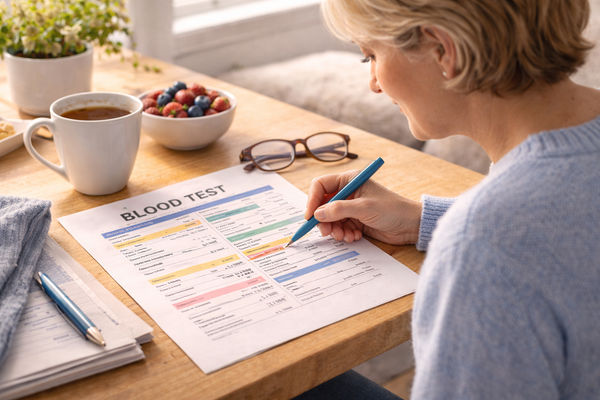
Maintaining a healthy blood sugar level is crucial for adults managing type 2 diabetes or prediabetes. Uncontrolled blood sugar levels can lead to various complications, such as heart disease, kidney damage, and nerve damage. By developing a simple and effective morning routine, you can improve your blood sugar control, boost your mood, and reduce your risk of developing these complications.
According to the Centers for Disease Control and Prevention (CDC), more than 34 million adults in the United States have diabetes, and approximately 88 million adults have prediabetes. The American Diabetes Association (ADA) recommends that adults with diabetes aim for a blood sugar level between 70-130 mg/dL before meals.
Morning Routine Suggestions
Morning Routine 1: Hydration
Drinking a full glass of water as soon as you wake up can help rehydrate your body and kickstart your metabolism. Even mild dehydration can cause blood sugar levels to rise, so it's essential to drink plenty of water throughout the day.
- Aim to drink at least 8-10 glasses of water per day
- Infuse your water with slices of lemon, lime, or cucumber for added flavor
Morning Routine 2: Physical Activity
Taking a short 10-minute walk outside can help improve your blood sugar control and boost your mood. Physical activity can help your body use insulin more efficiently, reducing your blood sugar levels.
- Aim for at least 150 minutes of moderate-intensity aerobic exercise per week
- Incorporate strength-training exercises into your routine to build muscle and improve insulin sensitivity
Morning Routine 3: Stress Reduction
Practicing deep breathing exercises can help reduce stress and anxiety, which can contribute to high blood sugar levels. When we're stressed, our bodies produce more cortisol, a hormone that can raise blood sugar levels.
- Practice deep breathing exercises for 5-10 minutes per day
- Try progressive muscle relaxation or meditation to reduce stress and anxiety
Morning Routine 4: Healthy Eating
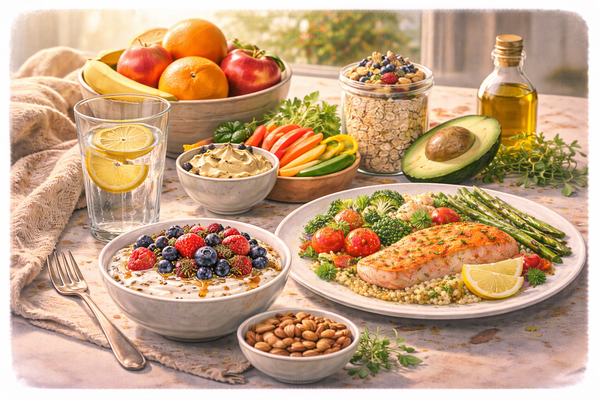
Eating a healthy breakfast can help stabilize your blood sugar levels and provide you with energy throughout the morning. Choose foods that are rich in fiber, protein, and healthy fats, such as oatmeal with fruit and nuts or scrambled eggs with spinach and whole wheat toast.
- Aim to eat breakfast within an hour of waking up
- Incorporate healthy fats, such as avocado or nuts, into your breakfast routine
Morning Routine 5: Mindfulness
Practicing mindfulness can help you stay present and focused, reducing stress and anxiety. Try incorporating mindfulness exercises into your morning routine, such as meditation or yoga.
- Practice mindfulness exercises for 5-10 minutes per day
- Try guided meditation or yoga classes to get started
Definitions
What is Blood Sugar?
Blood sugar, also known as glucose, is the primary source of energy for our bodies. When we eat, our bodies break down carbohydrates into glucose, which is then absorbed into our bloodstream.
What is Insulin?
Insulin is a hormone produced by our pancreas that helps regulate our blood sugar levels. When we eat, our pancreas releases insulin, which helps our bodies absorb glucose from our bloodstream.
What is Prediabetes?
Prediabetes is a condition in which our blood sugar levels are higher than normal but not high enough to be classified as diabetes. Prediabetes can increase our risk of developing type 2 diabetes and other health complications.
Want This Made Simple?
Take a photo of your meal and get added vs natural sugar + glycemic insight with Sweet Not Sugar. Join the waitlist today and start making informed food choices.
Try This Today
Try drinking a full glass of water as soon as you wake up to rehydrate your body and kickstart your metabolism.
Common Mistakes
- Not drinking enough water throughout the day
- Skipping breakfast or eating an unhealthy breakfast
- Not incorporating physical activity into your daily routine
- Not practicing stress-reducing techniques, such as deep breathing or meditation
- Not getting enough sleep or having poor sleep quality
Differentiation
7-Day Mini Plan
- Day 1: Drink a full glass of water as soon as you wake up
- Day 2: Take a 10-minute walk outside
- Day 3: Practice deep breathing exercises for 5 minutes
- Day 4: Eat a healthy breakfast, such as oatmeal with fruit and nuts
- Day 5: Incorporate strength-training exercises into your routine
- Day 6: Practice mindfulness exercises, such as meditation or yoga
- Day 7: Review your progress and make adjustments as needed
Grocery List
- Oatmeal
- Fresh fruit
- Nuts
- Whole wheat bread
- Avocado
- Eggs
- Spinach
What to Order
- When eating out, choose dishes that are rich in fiber, protein, and healthy fats
- Avoid dishes that are high in added sugars, saturated fats, and sodium
Next Step
Get the Sweet Not Sugar app and start making informed food choices. With our app, you can take a photo of your meal and get added vs natural sugar + glycemic insight.
FAQ
What is the best way to manage blood sugar levels?
The best way to manage blood sugar levels is to develop a healthy lifestyle, including a balanced diet, regular physical activity, and stress-reducing techniques.
What are the symptoms of high blood sugar?
The symptoms of high blood sugar include increased thirst and urination, blurred vision, and fatigue.
Can I still eat my favorite foods if I have diabetes?
Yes, you can still eat your favorite foods, but it's essential to make healthy choices and control your portion sizes.
How can I get support for managing my diabetes?
You can get support for managing your diabetes by talking to your healthcare provider, joining a support group, or using online resources.
Key Takeaways
- Drink a full glass of water as soon as you wake up
- Take a 10-minute walk outside
- Practice deep breathing exercises
- Eat a healthy breakfast
- Incorporate physical activity into your daily routine
Safety Notes
If you use insulin or a sulfonylurea, watch for low blood sugar. Check with your clinician before making major changes to your diet or exercise routine.
When to Talk to Your Doctor
If you experience any symptoms of high blood sugar, such as increased thirst and urination, blurred vision, or fatigue, talk to your doctor. They can help you develop a personalized plan to manage your blood sugar levels.
Sources
- Centers for Disease Control and Prevention (CDC)
- American Diabetes Association (ADA)
- National Institute of Diabetes and Digestive and Kidney Diseases (NIDDK)
- Mayo Clinic
- Journal of the American Medical Association (JAMA)
Related Articles
- Added Sugar vs Natural Sugar
- Glycemic Index vs Glycemic Load Explained
- Best Snacks for Steady Blood Sugar
- Reading Nutrition Labels
Disclaimer
This article is for informational purposes only and is not intended to provide medical advice. Always consult with your healthcare provider before making any changes to your diet or exercise routine.