5 Simple Exercises to Control Blood Sugar After 50

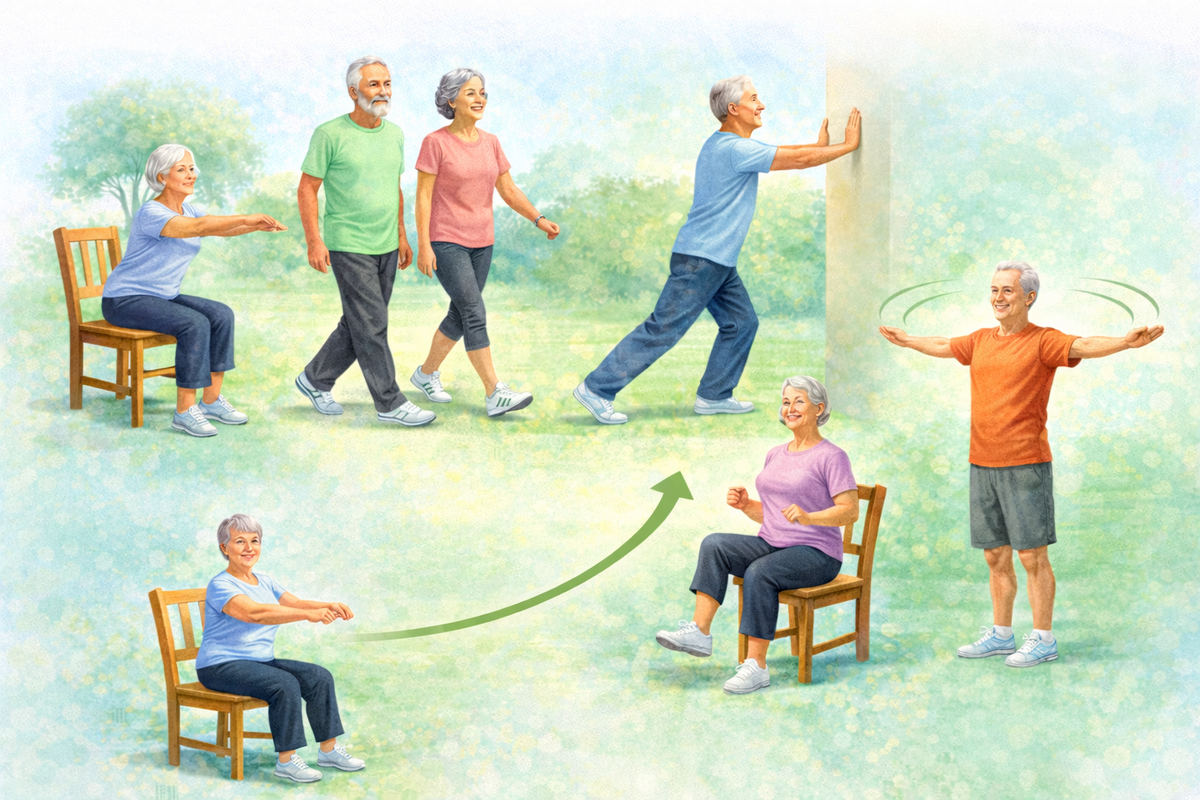
Worried about blood sugar spikes as you age? It's common! Discover 5 easy exercises you can do at home to manage your diabetes or prediabetes, feel stronger, and live a healthier life. Let’s get started!
5 Simple Exercises to Control Blood Sugar After 50
It’s perfectly normal to feel a little more cautious about your health as you reach your 50s and beyond. Maybe you've recently been diagnosed with type 2 diabetes or prediabetes. Or perhaps you're noticing changes in your energy levels and are looking for ways to feel your best. Managing blood sugar can feel overwhelming, but it doesn't have to be.
Imagine you've just finished a lovely dinner with friends. You enjoyed yourself, but now you’re thinking about how that delicious meal might affect your blood sugar. Knowing you have a few simple exercises you can do to help balance things out can give you peace of mind.
This article will walk you through five easy-to-follow exercises that can help you control your blood sugar, boost your energy, and improve your overall health after 50. We'll focus on movements that are gentle on your joints, require no special equipment, and can easily fit into your daily routine. Tools like Sweet Not Sugar can help you track how different foods and activities impact your blood sugar levels, adding another layer of support to your journey.
Why Exercise is So Important for Blood Sugar Control
As we age, our bodies naturally become less sensitive to insulin. Insulin is a hormone that helps sugar (glucose) move from your blood into your cells for energy. When this happens, blood sugar levels can rise, leading to prediabetes or type 2 diabetes. Exercise helps improve insulin sensitivity. This means your body can use sugar more effectively, keeping your blood sugar in a healthy range.
According to the CDC, over 37.3 million Americans have diabetes, and approximately 96 million adults aged 65 years or older are affected by prediabetes. That's a lot of people who can benefit from incorporating more physical activity into their lives. Regular exercise also offers many other benefits, including improved heart health, stronger bones, and reduced stress.
1. Chair Squats: Building Strength Safely
Chair squats are a fantastic way to build lower body strength without putting too much stress on your knees or back. This is especially important if you have joint pain.
How to do them:
- Sit in a sturdy chair with your feet flat on the floor.
- Keep your back straight and your core engaged.
- Slowly stand up, pushing through your heels.
- Gently tap your bottom back to the chair, then slowly lower yourself back down.
- Repeat 10-12 times.
Try This Today: Do a set of 5 chair squats during a TV commercial break.
2. Wall Push-Ups: Gentle Upper Body Work
Push-ups can be challenging, but wall push-ups offer a modified version that’s perfect for beginners or those with limited upper body strength. They help strengthen your chest, shoulders, and arms.
How to do them:
- Stand facing a wall, about arm’s length away.
- Place your hands on the wall, shoulder-width apart.
- Lean towards the wall, bending your elbows.
- Push back to the starting position.
- Repeat 10-12 times.
3. Walking: The Everyday Superpower
Walking is one of the easiest and most accessible forms of exercise. It’s low-impact, meaning it’s gentle on your joints, and you can do it almost anywhere. Walking after meals is particularly effective at lowering blood sugar.
The American Diabetes Association recommends at least 150 minutes of moderate-intensity aerobic exercise per week, such as brisk walking. Break this down into smaller chunks – even 10-minute walks several times a day can make a big difference.
How to make it work for you:
- Walk for 10-15 minutes after each meal.
- Find a walking buddy for motivation.
- Explore local parks or walking trails.
- Listen to music or a podcast while you walk.
4. Seated Marches: A Low-Impact Cardio Boost
If standing for long periods is difficult, seated marches are a great way to get your heart rate up and improve circulation.
How to do them:
- Sit comfortably in a chair with your feet flat on the floor.
- Lift one knee towards your chest, as if marching.
- Alternate legs, continuing for 1-2 minutes.
- Increase the pace as you feel comfortable.
5. Gentle Arm Circles: Improving Mobility
Arm circles are a simple exercise that can improve shoulder mobility and circulation. They also help to strengthen your upper body muscles.
How to do them:
- Sit or stand with your arms extended to the sides.
- Make small circles with your arms, moving forward for 30 seconds.
- Reverse the direction and make small circles backward for 30 seconds.
Try This Today: Do a set of arm circles while you're waiting for your coffee to brew.
Want this made simple?
Movement helps - but food choices matter too, and it’s easy to feel unsure.
Sweet Not Sugar helps you snap a photo of meals and drinks and see sugar insights, so you can pair better choices with your activity.
Next step: Join the Waitlist
Common Myths About Exercise and Diabetes
Let’s address some common beliefs that might be holding you back.
- Myth 1: Exercise will always lower my blood sugar. While exercise typically lowers blood sugar, sometimes it can temporarily raise it, especially if you’re doing intense activity. It’s important to monitor your levels before, during, and after exercise to see how your body responds.
- Myth 2: I’m too old or out of shape to start exercising. This is simply not true! You can start slowly and gradually increase the intensity and duration of your workouts. There are modifications for almost every exercise to suit different fitness levels.
- Myth 3: I need expensive gym equipment to get a good workout. Absolutely not! Many effective exercises, like the ones we’ve discussed, require no equipment at all.
Many people find apps like Sweet Not Sugar helpful for tracking their activity and its impact on their glucose levels, empowering them to make informed decisions about their exercise routine.
Staying Safe While Exercising
Before starting any new exercise program, it’s essential to check with your doctor. They can help you determine what types of exercises are safe and appropriate for your individual health needs.
Here are a few extra safety tips:
- Warm up before each workout and cool down afterward.
- Wear comfortable shoes and clothing.
- Stay hydrated by drinking plenty of water.
- Listen to your body and stop if you feel pain.
- Consider checking your blood sugar before, during and after exercise, especially when first starting a new routine.
Frequently Asked Questions (FAQ)
Q: What if I have arthritis or joint pain?
A: Choose low-impact exercises like walking, chair squats, and seated marches. These are gentler on your joints. Talk to your doctor about pain management strategies.
Q: How often should I exercise?
A: Aim for at least 150 minutes of moderate-intensity aerobic exercise per week, spread out over several days. Incorporate strength training exercises at least two days per week.
Q: Can exercise help me reduce my diabetes medication?
A: Exercise can often improve blood sugar control enough to potentially reduce your medication dosage. However, never make changes to your medication without first talking to your doctor.
Q: I feel tired easily. How can I fit exercise into my day?
A: Start small! Even 5-10 minutes of exercise can be beneficial. Break it up into shorter bursts throughout the day. Find activities you enjoy to stay motivated.
Key Takeaways
- Exercise improves insulin sensitivity, helping you control blood sugar.
- Chair squats, wall push-ups, walking, seated marches, and arm circles are excellent exercises for people over 50.
- Start slowly and gradually increase the intensity and duration of your workouts.
- Listen to your body and prioritize safety.
- Tools like Sweet Not Sugar can help track your progress and understand how exercise affects your blood sugar.
Next step
If you want support that’s quick and low-stress, Sweet Not Sugar helps you stay consistent with simple daily decisions - not complicated tracking.
Try it out: Join the Waitlist
When to Talk to Your Doctor
Always talk to your doctor before starting any new exercise program, especially if you have any underlying health conditions. Consult them if you experience chest pain, dizziness, or shortness of breath during exercise.
Your Journey to Better Health
Taking control of your blood sugar is a journey, and it’s okay to have setbacks. Be patient with yourself, celebrate your accomplishments, and remember that even small changes can make a big difference. If you’d like extra support tracking your food and activity, Sweet Not Sugar makes it easy to visualize the impact of your choices and build healthy habits that last. You've got this!
Disclaimer: This blog post is for informational purposes only and does not constitute medical advice. Always consult with your doctor before making any changes to your diet or exercise routine.