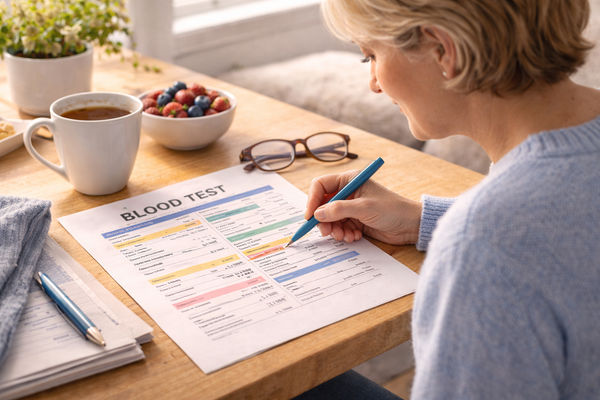
5 Simple Evening Routine Hacks for Better Sleep & Steady Blood Sugar

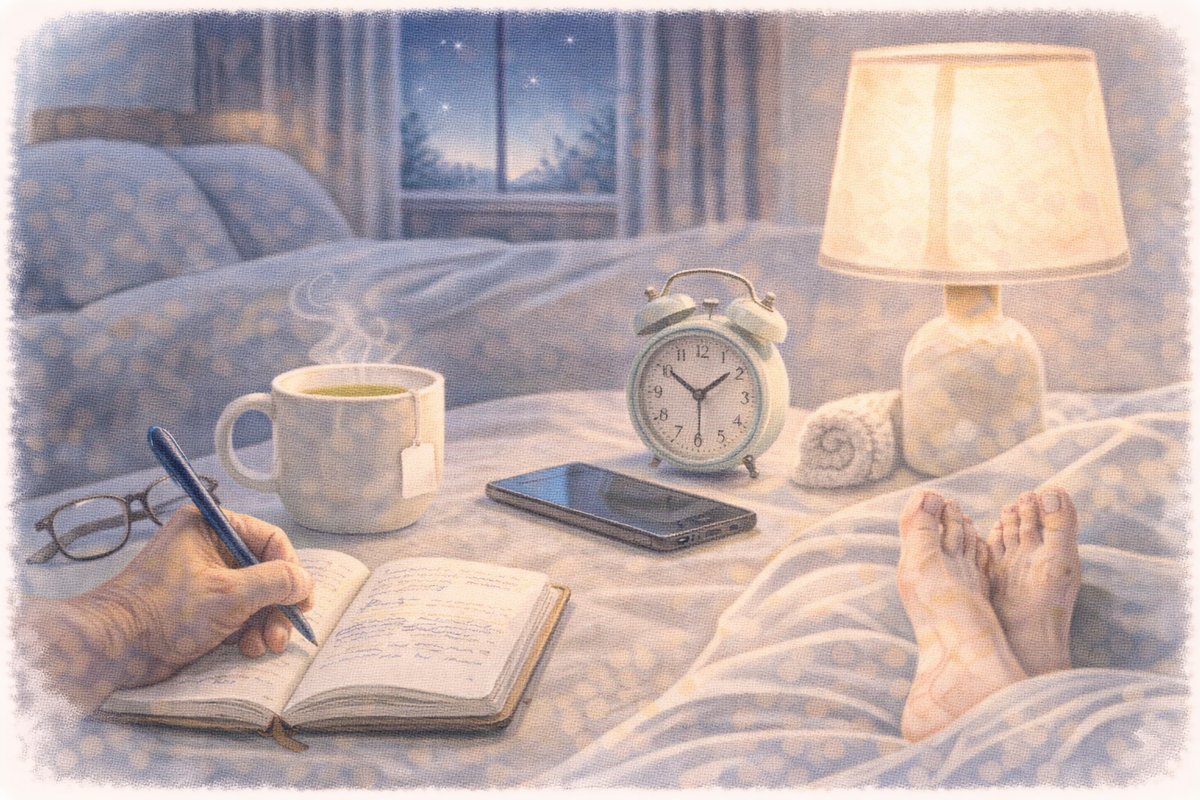
Struggling with sleep and morning blood sugar spikes? Discover 5 easy evening routine hacks to improve rest and stabilize glucose levels for adults.
5 Simple Evening Routine Hacks for Better Sleep & Steady Blood Sugar
You’ve had a long day, and all you want is a good night’s sleep. But as soon as your head hits the pillow, your mind starts racing, or you find yourself scrolling through your phone. Sound familiar? For many adults, getting quality sleep can feel like an uphill battle. And if you’re managing type 2 diabetes or prediabetes, poor sleep can make it even harder to keep your blood sugar stable in the morning.
The good news? Small changes to your evening routine can make a big difference. In this post, you’ll learn 5 simple hacks to improve your sleep quality and help stabilize your morning blood sugar. These tips are practical, easy to implement, and tailored for adults.
What to focus on...
Here's the shortlist:Dim the lights: Reduce blue light exposure 1-2 hours before bed.Wind down with a routine: Try calming activities like reading or gentle stretching.Watch what you eat and drink: Avoid heavy meals, caffeine, and alcohol close to bedtime.Keep a consistent sleep schedule: Go to bed and wake up at the same time every day.Create a sleep-friendly environment: Make your bedroom cool, dark, and quiet.
Why This Matters
Poor sleep doesn’t just leave you feeling tired - it can also affect your blood sugar levels. For adults, this is especially important because unstable blood sugar can lead to fatigue, mood swings, and even long-term health complications. Plus, managing sleep and blood sugar can feel overwhelming, but small, consistent changes can make a big difference in how you feel each morning.
5 Simple Evening Routine Hacks
1. Dim the Lights: Reduce Blue Light Exposure
Blue light from screens (phones, tablets, TVs) can trick your brain into thinking it’s still daytime. This disrupts your body’s production of melatonin, a hormone that helps you sleep. For better rest, try these tips:
- Turn off screens 1-2 hours before bed. If you must use a device, enable "night mode" or use blue light-blocking glasses.
- Use warm, dim lighting in your home during the evening. Consider switching to lamps with soft, warm bulbs.
- Try a relaxing activity like reading a book (not an e-reader) or listening to calming music.
Try This Today:
Set a reminder to turn off all screens 1 hour before bedtime. Use that time to read a book or listen to soft music instead.
2. Wind Down with a Calming Routine
A consistent wind-down routine signals to your body that it’s time to sleep. Here’s how to create one:
- Gentle stretching or yoga: Try simple poses like seated forward bends or leg stretches to relax your muscles.
- Deep breathing exercises: Inhale deeply for 4 seconds, hold for 4 seconds, and exhale for 6 seconds. Repeat 5-10 times.
- Write in a journal: Jot down your thoughts, worries, or things you’re grateful for to clear your mind.
Try This Today:
Spend 5 minutes stretching or doing deep breathing exercises before bed.
3. Watch What You Eat and Drink
What you consume in the evening can impact both your sleep and blood sugar. Here’s what to avoid and what to try instead:
- Avoid heavy meals, caffeine, and alcohol close to bedtime. These can disrupt sleep and cause blood sugar spikes or drops.
- Opt for a light, balanced snack if you’re hungry. Try a small handful of nuts, a slice of whole-grain toast with peanut butter, or a cup of herbal tea.
- Stay hydrated but limit liquids 1-2 hours before bed to avoid waking up for bathroom trips.
Realistic Swaps:Instead of a late-night coffee, try chamomile tea.Instead of a sugary dessert, try a small apple with almond butter.Instead of a heavy meal, try a light soup or salad.
4. Keep a Consistent Sleep Schedule
Your body thrives on routine. Going to bed and waking up at the same time every day - even on weekends - helps regulate your internal clock. Here’s how to get started:
- Set a bedtime alarm to remind yourself when it’s time to start winding down.
- Aim for 7-9 hours of sleep per night, as recommended by the National Sleep Foundation.
- Gradually adjust your schedule if you need to change your bedtime. Shift it by 15-30 minutes each night until you reach your goal.
5. Create a Sleep-Friendly Environment
Your bedroom should be a sanctuary for sleep. Make it as comfortable and distraction-free as possible:
- Keep it cool: Aim for a temperature between 60-67°F (15-19°C).
- Make it dark: Use blackout curtains or a sleep mask to block out light.
- Reduce noise: Use earplugs or a white noise machine if needed.
- Invest in a comfortable mattress and pillows that support your body.
Definitions
- Blue light: A type of light emitted by screens that can disrupt your sleep-wake cycle.
- Melatonin: A hormone that helps regulate your sleep cycle.
- Blood sugar (glucose): The sugar in your blood that your body uses for energy.
- Glycemic index (GI): A measure of how quickly a food raises blood sugar levels. Glucose Index vs Glucose Load Explained
Want This Made Simple?
Here's something that can help...
Tracking your evening habits and their impact on your blood sugar can feel overwhelming. With Sweet Not Sugar, you can take a photo of your evening snack or drink and get instant insights into added vs. natural sugar and glycemic impact. It’s like having a personal coach in your pocket!
Join the Waitlist
Common Mistakes
Things to watch out for:Using screens right before bed: This disrupts melatonin production.Eating heavy meals late at night: This can cause blood sugar spikes and disrupt sleep.Inconsistent sleep schedule: Going to bed at different times confuses your body’s internal clock.Ignoring your sleep environment: A noisy or brightly lit bedroom can make it harder to fall asleep.Skipping your wind-down routine: Without a routine, your body may struggle to relax.
Make A Plan
7-Day Mini Plan for Better Sleep & Blood Sugar
| Day | Action | Why It Helps |
|---|---|---|
| 1 | Turn off screens 1 hour before bed | Reduces blue light exposure |
| 2 | Try 5 minutes of deep breathing | Calms your mind and body |
| 3 | Swap your evening coffee for herbal tea | Avoids caffeine disruption |
| 4 | Set a consistent bedtime | Regulates your internal clock |
| 5 | Create a dark, cool sleep environment | Promotes deeper sleep |
| 6 | Eat a light, balanced evening snack | Stabilizes blood sugar |
| 7 | Journal for 5 minutes before bed | Clears your mind |
Next Step
Why not try this?
If you’re ready to take control of your sleep and blood sugar, Sweet Not Sugar can help. Our app makes it easy to track your habits and see how small changes add up over time.
Get the App
FAQ Section
How does blue light affect sleep?
Blue light from screens can suppress melatonin production, making it harder to fall asleep. Reducing screen time before bed helps your body prepare for rest.
What’s the best evening snack for stable blood sugar?
A balanced snack with protein, healthy fats, and fiber works best. Try nuts, whole-grain toast with peanut butter, or a small apple with almond butter.
How can I improve my sleep environment?
Keep your bedroom cool, dark, and quiet. Use blackout curtains, earplugs, or a white noise machine if needed.
Why is a consistent sleep schedule important?
A regular sleep schedule helps regulate your body’s internal clock, making it easier to fall asleep and wake up refreshed.
Can poor sleep affect my blood sugar?
Yes! Poor sleep can lead to insulin resistance and higher blood sugar levels, especially in the morning.
Key Takeaways
- Reduce blue light 1-2 hours before bed to improve sleep quality.
- Wind down with calming activities like stretching or journaling.
- Avoid heavy meals, caffeine, and alcohol close to bedtime.
- Keep a consistent sleep schedule to regulate your internal clock.
- Create a sleep-friendly environment that’s cool, dark, and quiet.
Safety Notes
Safety Notes:If you use insulin or a sulfonylurea, watch for signs of low blood sugar, especially if you’re adjusting your evening routine.Always talk to your doctor before making major changes to your diet or sleep habits.
When to Talk to Your Doctor
When to Talk to Your Doctor:If you frequently wake up with high or low blood sugar.If you have trouble falling or staying asleep despite trying these tips.If you experience symptoms like excessive daytime sleepiness or snoring.
Sources
- National Sleep Foundation: Guidelines on sleep duration and quality.
- American Diabetes Association (ADA): Information on how sleep affects blood sugar.
- Mayo Clinic: Tips for creating a sleep-friendly environment.
- Harvard Health Publishing: Research on blue light and melatonin.
- CDC: Recommendations for healthy sleep habits.
Related Articles
- 10 Best Low Glycemic Snack For Blood Sugar Control
- 5 Simple Exercises For Better Blood Sugar Control
- How to Read Nutrition Labels for Hidden Sugars
Disclaimer
This content is for informational purposes only and is not a substitute for professional medical advice, diagnosis, or treatment. Always consult your healthcare provider before making changes to your diet, sleep, or medication routine.