10 Best Low Glycemic Snacks for Blood Sugar Control

Discover 10 delicious, low glycemic snacks to help manage blood sugar levels. Practical tips and easy swaps for better health.
10 Best Low Glycemic Snacks for Blood Sugar Control
Managing blood sugar can feel like a daily challenge. You might find yourself craving a snack but worrying about how it will affect your glucose levels. The good news is that there are plenty of delicious, low glycemic snacks that can keep your blood sugar steady and satisfy your hunger. In this article, you’ll learn about 10 great snack options, why they work, and how to incorporate them into your routine.
Quick Answer
Low glycemic snacks help keep blood sugar levels steady.Examples include nuts, seeds, Greek yogurt, and veggies with hummus.Aim for snacks with fiber, protein, and healthy fats to avoid spikes.
Why This Matters
Choosing the right snacks can make a big difference in how you feel throughout the day. For many people, managing blood sugar isn’t just about avoiding sweets - it’s about finding balanced options that provide energy without causing spikes. This can help reduce fatigue, improve mood, and even lower the risk of complications like heart disease or nerve damage. Plus, smart snacking can fit into your budget and lifestyle, whether you’re at home or on the go.
What Is the Glycemic Index?
The glycemic index (GI) measures how quickly a food raises blood sugar levels. Foods with a low GI (55 or less) are digested and absorbed more slowly, which helps keep blood sugar stable. This is especially important for people with type 2 diabetes or prediabetes.
Top 10 Low Glycemic Snacks
1. Nuts and Seeds
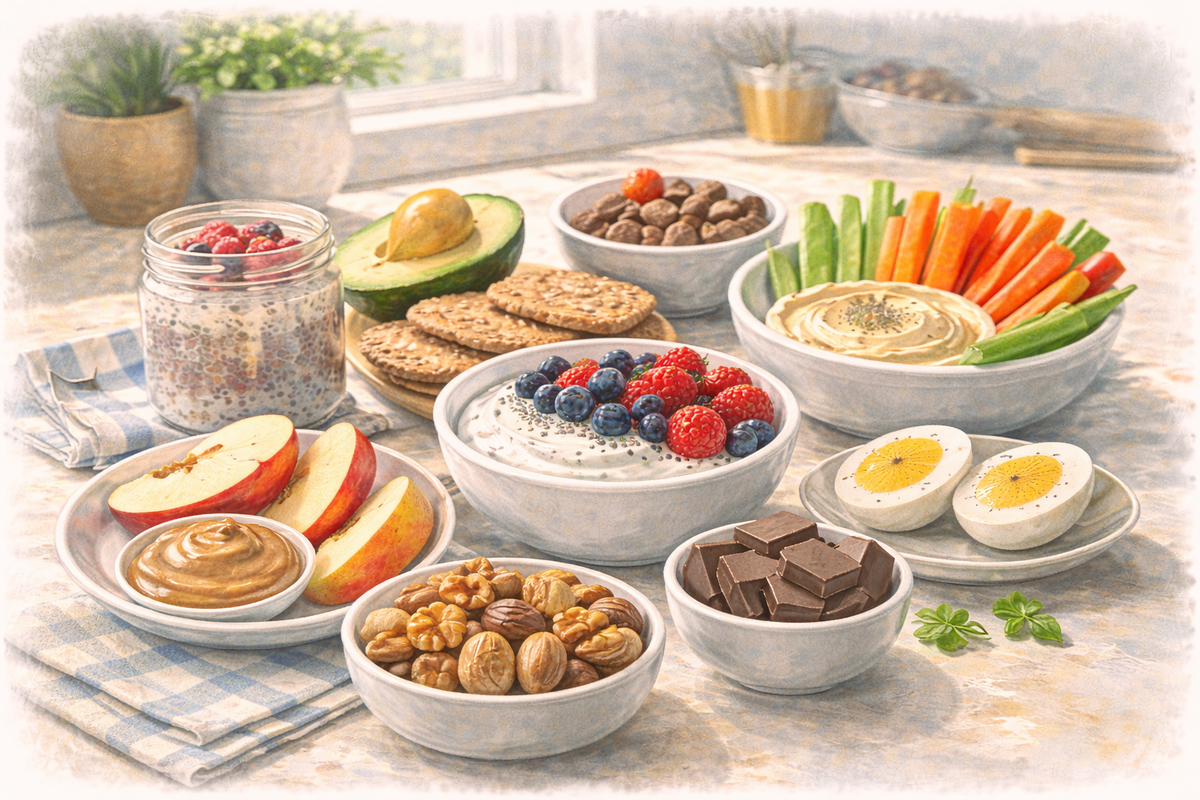
Nuts and seeds are packed with healthy fats, protein, and fiber, making them an excellent choice for blood sugar control. Almonds, walnuts, chia seeds, and flaxseeds are all great options. A small handful (about 1 ounce) can keep you full and energized.
Try This Today: Keep a small bag of mixed nuts in your purse or car for a quick, satisfying snack.
2. Greek Yogurt with Berries
Greek yogurt is high in protein and low in sugar, especially if you choose plain, unsweetened varieties. Adding a handful of berries - like blueberries or strawberries - provides natural sweetness and fiber without spiking blood sugar.
3. Veggies and Hummus
Hummus is made from chickpeas, which are high in fiber and protein. Pairing it with veggies like carrots, cucumbers, or bell peppers makes for a crunchy, satisfying snack. This combo is also rich in vitamins and minerals.
4. Avocado on Whole Grain Crackers
Avocados are full of healthy fats and fiber, which help slow digestion and keep blood sugar levels steady. Spread some avocado on whole grain crackers for a delicious and nutritious snack.
5. Hard-Boiled Eggs
Eggs are a powerhouse of protein and healthy fats. They’re easy to prepare ahead of time and can be stored in the fridge for a quick snack. Eggs also contain essential nutrients like vitamin D and choline.
6. Apple Slices with Peanut Butter
Apples are high in fiber, and peanut butter adds protein and healthy fats. Together, they make a balanced snack that’s both sweet and satisfying. Just be sure to choose natural peanut butter without added sugar.
7. Cottage Cheese with Cinnamon
Cottage cheese is high in protein and low in carbs, making it a great option for blood sugar control. Adding a sprinkle of cinnamon can enhance flavor without adding sugar. Cinnamon may also help improve insulin sensitivity.
8. Edamame
Edamame is young soybeans, and they’re packed with protein and fiber. A half-cup serving makes for a filling snack that’s also rich in vitamins and minerals like folate and vitamin K.
9. Chia Pudding
Chia seeds are high in fiber and omega-3 fatty acids. When soaked in liquid, they form a pudding-like texture. Mix chia seeds with unsweetened almond milk and a touch of vanilla for a delicious, low glycemic snack.
10. Dark Chocolate
Dark chocolate with at least 70% cocoa is low in sugar and high in antioxidants. A small square can satisfy your sweet tooth without causing a blood sugar spike. Just be sure to enjoy it in moderation.
Definitions
- Glycemic Index (GI): A measure of how quickly a food raises blood sugar levels.
- Fiber: A type of carbohydrate that the body can’t digest, helping to slow digestion and keep blood sugar stable.
- Protein: A nutrient that helps build and repair tissues and can keep you feeling full.
- Healthy Fats: Fats that are good for your heart, like those found in nuts, seeds, and avocados.
Want This Made Simple?
Keeping track of added vs. natural sugar and glycemic impact can feel overwhelming. With Sweet Not Sugar, you can take a photo of your snack and get instant insights into its glycemic impact and sugar content. It’s like having a nutrition coach in your pocket!
Common Mistakes
- Skipping snacks altogether: Going too long without eating can lead to low blood sugar and overeating later.
- Choosing processed snacks: Many packaged snacks are high in sugar and refined carbs, which can spike blood sugar.
- Ignoring portion sizes: Even healthy snacks can affect blood sugar if you eat too much.
- Not balancing macros: Snacks should include a mix of fiber, protein, and healthy fats.
- Assuming all fruits are equal: Some fruits, like watermelon, have a higher GI than others, like berries.
Realistic Swaps
| Instead of... | Try... |
|---|---|
| Potato chips | Nuts and seeds |
| Candy bar | Dark chocolate |
| Soda | Sparkling water with lemon |
| White bread toast | Whole grain crackers with avocado |
| Ice cream | Greek yogurt with berries |
| Pretzels | Veggies and hummus |
| Sugary cereal | Chia pudding |
| Fruit juice | Whole fruit like an apple |
Next Step
If you’re looking for extra support, Sweet Not Sugar can help you make smarter snack choices. It’s designed to fit seamlessly into your routine, giving you the insights you need to stay on track.
FAQ
What is the best time to snack?
The best time to snack is when you’re hungry between meals. Aim for snacks that are balanced with fiber, protein, and healthy fats to keep your blood sugar steady.
Can I eat fruit if I have diabetes?
Yes, but it’s important to choose fruits with a lower glycemic index, like berries, apples, and pears. Pairing fruit with protein or healthy fats can also help balance blood sugar.
How can I avoid blood sugar spikes?
Focus on snacks that are high in fiber, protein, and healthy fats. Avoid processed foods and sugary drinks, and aim for balanced meals throughout the day.
Are there any snacks I should avoid?
It’s best to avoid snacks that are high in sugar, refined carbs, and unhealthy fats. This includes candy, soda, pastries, and fried snacks.
How can I make snacking easier?
Prep snacks ahead of time, like hard-boiled eggs or cut-up veggies. Keep healthy options on hand, so you’re less likely to reach for processed foods.
Key Takeaways
- Choose snacks with fiber, protein, and healthy fats.
- Avoid processed foods and sugary drinks.
- Portion control is key, even with healthy snacks.
- Balance your snacks to keep blood sugar steady.
- Plan ahead to make healthy snacking easier.
Safety Notes
If you use insulin or a sulfonylurea, watch for low blood sugar.Check with your clinician before making major changes to your diet.
When to Talk to Your Doctor
If you experience frequent high or low blood sugar levels, unexplained weight loss, or other concerning symptoms, it’s important to talk to your doctor. They can help adjust your treatment plan as needed.
Sources
- American Diabetes Association (ADA): Guidelines on glycemic index and diabetes management.
- Mayo Clinic: Information on healthy snacking for blood sugar control.
- National Institutes of Health (NIH): Research on the benefits of fiber and protein in managing diabetes.
- Harvard T.H. Chan School of Public Health: Studies on the impact of healthy fats on blood sugar levels.
Related Articles
Disclaimer
This article is for informational purposes only and is not intended to replace professional medical advice. Always consult your healthcare provider before making any changes to your diet or treatment plan.